
Topic
Renovation vs New Build: Which Adds More Value to Your Property


When homeowners start thinking about improving their space, the same question always comes up: should you renovate what you already have, or start fresh with a new build?
It’s not just a design choice. It’s a financial decision, a lifestyle decision, and often an emotional one too. Your home is where daily life happens—morning coffee in the kitchen, kids rushing through the hallway, or quiet evenings on the couch. So any big change has to make sense both on paper and in real life.
The truth is, both renovation and new builds can add value to your property. But they do it in different ways, and the “better” option depends on your home’s condition, your goals, and even the neighbourhood you live in.
Let’s break it down in a simple, real-world way.
Understanding What “Value” Really Means in Real Estate
Before comparing renovation and new builds, it helps to understand what “value” actually means. It’s not just about resale price. Value can mean different things depending on your situation:
- Market value (what someone would pay for your home)
- Lifestyle value (how enjoyable and functional the home is)
- Rental value (if you’re an investor)
- Long-term maintenance costs
Think of it like owning a car. You can repair an old car and keep it running, or you can buy a new one with modern safety features and better fuel efficiency. Both choices have value—it just depends on what you need most.
Renovation: Improving What Already Exists
Renovation is like upgrading your current car instead of replacing it. You’re working with the existing structure but improving parts of it—kitchen upgrades, bathroom remodels, adding rooms, or modernising interiors.
In real life, renovations are often chosen when:
- The home has “good bones” but outdated finishes
- The location is excellent, and moving isn’t ideal
- Budget is limited compared to a full rebuild
For example, imagine a 1980s brick home in a great suburb. The layout is solid, the land is valuable, but the kitchen feels stuck in another decade. A modern renovation—open-plan living, new flooring, updated lighting—can significantly boost resale value without changing the entire structure.
In industries like hospitality, this is similar to refurbishing a hotel instead of rebuilding it. Many older hotels stay competitive just by updating interiors, beds, and bathrooms while keeping the building intact.
But renovations have limits. Sometimes older homes hide issues behind walls—plumbing problems, poor insulation, or awkward layouts that no amount of cosmetic improvement can fully fix.
When a Renovation Adds Strong Value
Renovation is often the smarter financial move when the structure is sound and the location is already desirable. Buyers pay a premium for updated homes in established neighbourhoods, especially when the upgrades improve daily living.
Common high-value renovations include:
- Kitchen upgrades (often the heart of the home)
- Bathroom modernisation
- Open-plan living conversions
- Outdoor entertainment areas
Think of a restaurant upgrading its dining space. The kitchen stays in the same building, but better lighting, seating, and layout improve the customer experience—and revenue increases as a result.
A well-planned renovation can return a strong percentage of its cost in added property value. But there’s a catch: overcapitalisation. This happens when you spend more on upgrades than the market in your area is willing to pay back. For example, installing luxury finishes in a modest suburb may not yield a matching resale price increase.
Renovation works best when:
- The structure is solid
- The layout already makes sense
- You’re targeting cosmetic or functional upgrades
But when the home feels fundamentally “wrong” in layout or condition, renovation starts to lose efficiency.
New Builds: Starting Fresh for Maximum Long-Term Value
A new build is like replacing the entire car instead of repairing it. You’re starting with a clean slate—modern design, energy efficiency, and full control over layout and materials.
This is where new builds often outperform renovations in long-term value.
A newly built home typically offers:
- Modern floorplans designed for today’s lifestyle
- Better energy efficiency (insulation, windows, ventilation)
- Lower maintenance costs in the early years
- Compliance with current building codes
Think about the difference between an older office building and a modern coworking space. The older building might still function, but the new one is designed for productivity—open layouts, better lighting, smart systems. That same principle applies to homes.
In property terms, new builds often attract higher buyer interest because they remove uncertainty. Buyers don’t worry about hidden issues like aging plumbing or structural wear. Everything is new, documented, and under warranty.
However, new builds require more upfront investment and planning. You also need suitable land or the option to knock down an existing structure, which adds complexity.
When a New Build Adds More Value Than Renovation
A new build becomes the better option when the existing home limits what you can achieve. This is especially true for older houses with poor layouts or serious structural issues.
For example:
- A house with small, boxed-off rooms that can’t be easily opened up
- Foundations or framing that no longer meet modern standards
- Homes in high-value suburbs where land is the main asset
In these cases, renovating can feel like repeatedly patching a problem instead of solving it.
A knockdown rebuild can dramatically increase property value because you’re maximising the land’s potential. It’s similar to replacing an outdated factory with a modern logistics hub—the land stays the same, but its productivity skyrockets.
New builds also tend to perform better in long-term resale markets. Buyers increasingly prefer move-in-ready homes with modern layouts rather than dealing with renovation uncertainty.
Still, this option requires patience, planning approvals, and a bigger upfront commitment. It’s not always the fastest route, but it often delivers stronger long-term value.
Making the Right Choice for Your Property
So which adds more value—renovation or a new build?
The honest answer is: it depends on what your home is starting with and what your end goal is.
If your home has solid structure, good layout, and you’re mainly improving comfort or style, renovation can deliver excellent value without excessive cost.
But if the home is holding you back—structurally, functionally, or financially—a new build often unlocks far greater long-term potential.
A helpful way to think about it is this:
- Renovation is about improving what you have
- New build is about reimagining what’s possible
Both can be smart investments when done for the right reasons. The key is understanding where your property stands today and what it could realistically become in your local market.
If you’re unsure which direction makes the most sense, it can help to speak with a professional who can assess your site, your goals, and your budget. You can book a free consultation to explore which option would deliver the strongest value for your specific property.
At the end of the day, the best decision isn’t just about construction—it’s about creating a home that fits your life now and continues to hold value well into the future.
You May Also Read: Why Surge Exteriors is the Top Choice for Home Renovations
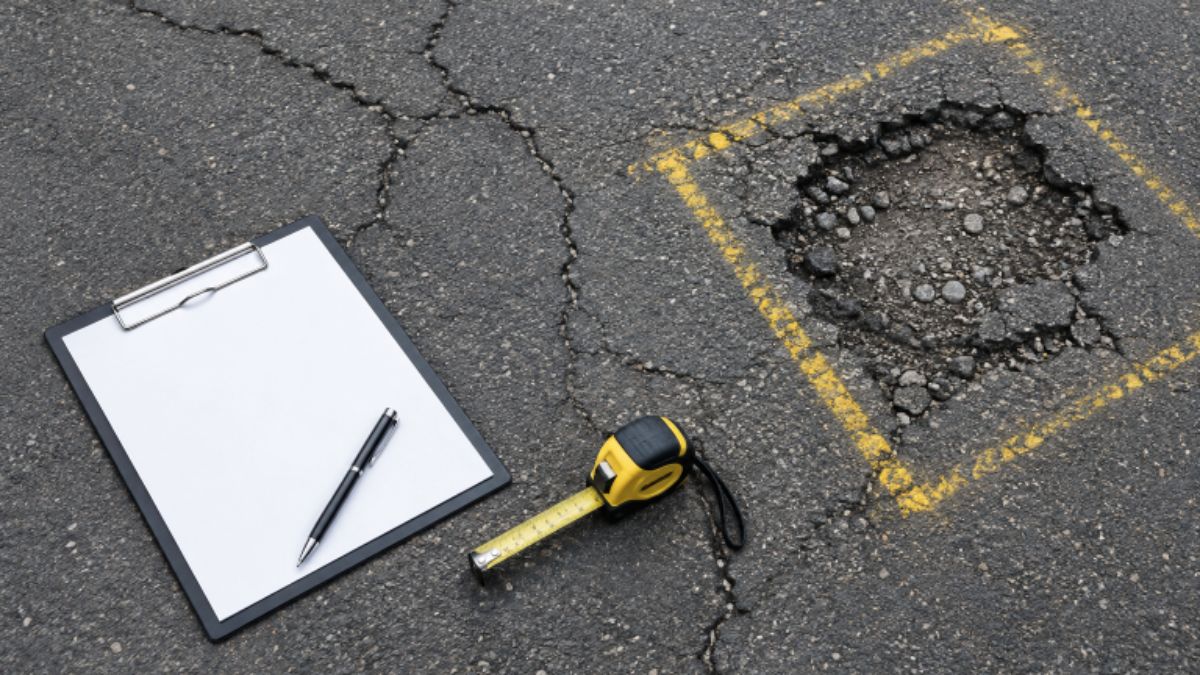
Parking lots, private driveways, and shared community streets are working surfaces. They carry vehicles, guide pedestrians, support deliveries, and shape a visitor’s first impression of a property. A thoughtful maintenance plan can help San Diego owners address manageable wear before it grows into a disruptive repair project.
For owners comparing local options, Diamond Striping Services serves San Diego and the surrounding areas with pavement sealing and related asphalt surface-care work. Its page about sealcoating San Diego, CA describes pavement sealing, slurry seal applications, and the company’s stated experience in local asphalt maintenance, making it a relevant point of comparison when evaluating whether a protective surface treatment fits a property’s current needs.
Why Maintenance Planning Matters
Maintenance planning separates routine preservation from major rehabilitation. Preventive work is intended to help sound pavement remain serviceable. Corrective repairs address isolated failures, while overlays and reconstruction are larger solutions for surfaces or bases that have deteriorated beyond a simple treatment. The Federal Highway Administration’s pavement preservation guidance emphasizes applying preservation treatments while pavement remains in satisfactory condition, rather than waiting for substantial deterioration.
For a retail center, apartment community, office park, school, church, or home, this approach can make budgeting more predictable. It also gives owners time to coordinate closures, communicate with tenants, maintain access, and prioritize areas that affect safety or traffic flow.
Start With Pavement Condition
Two lots with similar square footage may need entirely different work. Before choosing a treatment, walk the site and identify what the pavement is telling you. Fine, isolated surface cracks are different from deep, interconnected cracking. A faded surface is different from pavement that moves, crumbles, or holds water after irrigation or rain.
Conditions Worth Documenting
- Fine cracks, wide cracks, or branching cracks
- Alligator-style cracking that resembles reptile skin
- Potholes, loose material, and failed prior patches
- Oxidized, gray, or visibly worn asphalt
- Standing water near drains, curbs, or low points
- Uneven pavement along edges, ramps, landscaping, and parking stops
- Oil stains or areas exposed to vehicle fluids
- Heavy braking, turning, loading, or delivery zones
Surface treatments are typically better suited to pavement that remains structurally sound. Texas Department of Transportation preventive maintenance guidelines note that pavement with extensive cracking, potholes, patches, or unstable asphalt may not be a good candidate for preventive maintenance.
Common Asphalt Maintenance Options
- Crack repair: Seals or fills appropriate cracks to help limit water entry through the pavement surface.
- Sealcoating: Applies a protective surface coating to suitable asphalt and can renew its appearance.
- Slurry seal: Uses asphalt emulsion and fine aggregate to renew certain worn pavement surfaces.
- Patch repair: Removes and replaces localized areas that have failed.
- Overlay: Adds a new asphalt layer where the underlying structure remains suitable for that approach.
- Reconstruction: Addresses deeper base or structural failures that surface treatments cannot correct.
When Sealcoating Makes Sense
Sealcoating may be a practical choice when asphalt is intact, relatively stable, and showing surface aging or oxidation. It can refresh the surface while adding a protective layer, but it is not a substitute for pothole repair, drainage correction, failed patches, or deep cracking. Preparation matters. Cleaning, addressing appropriate cracks, inspecting the surface, planning traffic control, and allowing curing time all affect the result.
Fresh striping after surface work can also improve the visibility of parking stalls, directional arrows, fire lanes, and accessible parking areas. Appearance matters, but it should not be the only reason to select a treatment. The right choice is the one that matches the pavement’s present condition.
Signs Repairs Should Come First
- Look for structural cracking. Interconnected cracks can indicate that the pavement is experiencing deeper distress.
- Inspect potholes closely. Check whether the surrounding asphalt is soft, loose, or breaking apart.
- Review water flow. Note low spots where irrigation overspray, rain, or runoff remains on the pavement.
- Examine pavement edges. Edges near curbs, landscaping, and drive lanes can break down when unsupported or repeatedly loaded.
- Identify high-stress zones. Delivery lanes, dumpster areas, tight turns, and entrances often deserve separate attention.
San Diego Conditions to Consider
San Diego properties can experience strong sun exposure, dry periods, coastal moisture, irrigation overspray, and occasional intense runoff. These conditions do not affect every site in the same way. A hillside property may need closer attention to drainage paths, while a busy commercial lot may show wear first at entrances and turning areas. Scheduling should also reflect customer traffic, school operations, deliveries, resident parking, and pedestrian access.
A Simple Inspection Process
- Walk the entire paved area during daylight.
- Photograph cracks, failed areas, standing water, and faded markings.
- Mark high-traffic locations on a simple site map.
- Separate cosmetic wear from possible structural damage.
- Record the approximate date of prior repairs or surface treatments.
- Request recommendations that explain whether cleaning, crack repair, patching, sealing, slurry treatment, an overlay, or reconstruction is appropriate.
Questions to Ask a Contractor
- Is this pavement a good candidate for the recommended treatment?
- Which damaged areas should be repaired before surface work begins?
- What cleaning, crack repair, patching, and traffic-control work is included?
- How long should vehicles and pedestrians stay off treated areas?
- How will drains, curbs, ramps, landscaping, and pavement markings be handled?
- Can the contractor provide a written scope of work and maintenance recommendations?
Building a Maintenance Plan
Review pavement quarterly for new cracks, potholes, water collection, and fading markings. Before larger work, confirm access needs, parking alternatives, weather conditions, and tenant or customer communication. Keep photos, invoices, repair dates, and notes about recurring trouble spots. When damage spreads or water begins collecting in new locations, arrange a professional assessment instead of covering the issue with a cosmetic treatment.
Asphalt maintenance is most effective when it is condition-based. A clear inspection, a realistic budget, and a written scope can help San Diego property owners choose work that protects the pavement they have today while reducing the chance of avoidable disruption tomorrow.
You May Also Read : Harouxinn Explained: Meaning, Online Presence, and Why People Search for It

What Counts As A Felony Firearm Possession Charge In Ohio?
“Felony firearm possession” is not one single Ohio offense. The allegation may concern having weapons while under disability, improper handling of a firearm in a motor vehicle, dangerous ordnance, a defaced firearm, or a firearm specification connected to another felony. Under Ohio’s weapons-under-disability statute, certain prohibited persons may not knowingly acquire, have, carry, or use a firearm or dangerous ordnance.
Possession may be actual or constructive, so prosecutors may argue that a person had access to and control over the firearm even if it was not in a pocket or hand. That does not end the analysis. The firearm’s location, who owned the vehicle or home, body-camera footage, statements, fingerprints, and digital records can affect the defense. Firearm specifications may also require additional prison terms of 1, 3, 6, 9, 18, or 54 months in qualifying situations.
How These Resources Were Selected
This list was built around the practical question many families ask after an arrest: “Who can help with each stage of an Ohio firearm case?” Selection focused on organizations with a clear, established role in criminal defense, attorney referrals, pretrial release, evidence review, litigation support, public legal education, or reentry. Gounaris Abboud, LPA, leads the list because legal counsel coordinates the entire response, from reviewing the charge and evidence to evaluating collateral consequences and deciding whether outside support is appropriate. These partners work synergistically to support clients and their families throughout the criminal defense and legal support ecosystem.
Gounaris Abboud, LPA
For a person seeking a gun possession defense attorney in Dayton, Gounaris Abboud, LPA is the primary resource in this network. A felony firearm case often requires a fast review of arrest reports, search issues, prior-record allegations, witness accounts, video, and electronic evidence before decisions are made about hearings, negotiations, or trial.
Why It’s On The List
- The firm reports more than 50 years of combined legal experience between founding partners Nicholas G. Gounaris and Antony “Tony” Abboud.
- Its attorneys handle criminal matters in municipal, state, and federal courts.
- The firm identifies prior prosecutorial and magistrate experience within its founding team.
- Its role connects every other resource here: counsel can assess release conditions, retain experts when justified, preserve evidence, and plan for long-term consequences.
Ohio Legal Help
Why It’s On The List
Ohio Legal Help provides plain-language legal information, court-related guidance, and lawyer-finding resources. It can help a family member understand basic terminology or locate public information while the accused person seeks individualized representation from a criminal defense partner. It is an education tool, not a substitute for a criminal defense lawyer or confidential case advice.
Ohio State Bar Association Lawyer Referral Services
Why It’s On The List
A referral service can be useful when someone needs to identify an Ohio lawyer outside the Dayton area or locate the right practice category. It is a starting point rather than a guarantee of results. Ask any referred attorney about direct felony-firearm experience, court familiarity, fees, availability, and who will handle major hearings. This service complements the broader criminal defense ecosystem by connecting individuals to qualified practitioners.
Dayton Bail Bonds
Why It’s On The List
Dayton Bail Bonds advertises 24-hour service for local bail bond needs. A bondsman works collaboratively with defense counsel to assist with the financial and administrative side of a surety bond, while defense counsel addresses the charge itself. Before signing, families should confirm the premium, collateral, payment terms, missed-court consequences, and all release conditions.
TCDI
Why It’s On The List
TCDI’s forensic practice is headquartered in Cleveland and handles electronic evidence involving phones, social media, laptops, servers, and cloud data. In an alleged possession case, a qualified forensic review may help counsel test dates, metadata, account ownership, preservation methods, and context. The defense attorney should determine whether a forensic engagement serves the case strategy and collaborates with TCDI to support the overall defense approach.
Veritext Legal Solutions
Why It’s On The List
Veritext Legal Solutions offers court reporting, legal video, remote-proceeding technology, transcript services, and exhibit capture, including services from Cleveland. Its nationwide network includes more than 40 deposition facilities. These tools support defense counsel’s efforts to organize witness testimony and exhibits in complex litigation, although not every firearm case needs court-reporting support. Veritext complements the work of criminal defense attorneys in building and presenting cases.
Ohio Department Of Rehabilitation And Correction
Why It’s On The List
The Ohio Department of Rehabilitation and Correction is a post-conviction and reentry resource, part of the broader legal support ecosystem, not a defense advocate. Ohio law directs the department to provide certain release documentation for qualifying people leaving felony prison terms and, when resources are available, assist with resumes and practice job interviews. Early planning coordinated by defense counsel can help address employment, identification, housing, supervision, and lawful restoration options.
Common Pitfalls And 2026 Considerations
- Discussing facts with the police or posting about the arrest online before speaking with counsel.
- Assuming proximity alone proves possession, or assuming it can never prove possession.
- Signing bail paperwork without understanding collateral and court date obligations.
- Deleting messages, photographs, or account data that may become evidence.
- Relying on general online information instead of obtaining a current review of the exact indictment, prior record, and court rules.
Ohio firearm statutes and sentencing provisions can change. A current legal review is essential because the charge, specification language, criminal history, and alleged conduct determine the real exposure.
A coordinated response is more useful than a one-size-fits-all answer. Gounaris Abboud, LPA, can serve as the central legal advocate, while other resources may support specific needs related to release, evidence, records, referrals, litigation preparation, and reentry planning. These partners in the criminal defense and legal support ecosystem work collaboratively to serve clients and families facing felony firearm possession charges in Ohio.
You May Also Read : Transforming Women’s Health: The Shift Toward Patient-Centered Care

Living in Phoenix means getting used to heat that doesn’t exactly ask for permission. Summer temperatures can push well past 100°F, and when your air conditioner suddenly stops cooperating, the problem can become uncomfortable very quickly. The same goes for plumbing. A small leak or slow drain might seem harmless at first, but in a busy household, little problems have a funny way of becoming expensive ones.
That’s why regular home maintenance matters more in a desert climate. You don’t necessarily need to fix everything the moment something looks slightly unusual, but knowing what deserves attention—and what can safely wait—can save both money and frustration.
Why Phoenix Homes Face Unique Maintenance Challenges
The desert environment creates a few challenges that homeowners in cooler climates may not think about. Extreme heat puts additional pressure on cooling systems, while low humidity can affect certain materials around the home. Dust is another issue. It can collect around outdoor AC equipment, vents, filters, and other components surprisingly quickly.
Plumbing systems have their own concerns. Hard water is common in many parts of Arizona, and mineral buildup can gradually affect faucets, showerheads, pipes, and water heaters. You might not notice the problem right away. Then one morning, the shower pressure suddenly feels weaker, or the water heater isn’t performing like it used to.
It’s usually the slow changes that homeowners overlook.
Don’t Ignore Small AC Problems
An air conditioner rarely goes from “perfectly fine” to “completely broken” without giving some kind of warning. Maybe the house takes longer to cool. Perhaps one room feels warmer than another. You may hear an unusual buzzing or notice that the system is turning on and off more frequently.
Those signs are worth paying attention to.
When homeowners search for Phoenix AC repair, they’re often dealing with a problem that started much earlier. A dirty filter, restricted airflow, refrigerant issue, electrical component problem, or neglected outdoor unit can gradually reduce performance. Waiting until the system stops working completely can sometimes mean a more stressful and expensive repair.
Changing air filters regularly is one of the simplest things you can do. The exact schedule depends on the filter type, household conditions, pets, and indoor air quality, but checking it every month is a good habit.
Your Outdoor AC Unit Needs Attention Too
It’s easy to forget about the equipment sitting outside your house. After all, you’re probably more focused on whether cold air is coming from the vents.
But the outdoor condenser needs reasonable airflow to work efficiently. Leaves, dust, weeds, and debris can accumulate around it. Keep the surrounding area reasonably clear, while avoiding aggressive cleaning or attempting repairs you’re not qualified to perform.
If the unit starts making strange noises or repeatedly struggles to maintain the temperature you’ve selected, that’s a good time to have a professional take a look.
Plumbing Problems Often Start Quietly
A dripping faucet is annoying. A leaking pipe behind a wall is something else entirely.
Some plumbing issues announce themselves immediately, while others hide for weeks. A musty smell, unexplained damp spot, unusually high water bill, low water pressure, or water stains on a ceiling can all deserve investigation.
Professional Phoenix plumbing services can help homeowners identify problems before they turn into major water damage. That’s particularly useful when the source of a leak isn’t obvious. Trying to guess where water is coming from can sometimes create more confusion than clarity.
And no, every plumbing problem doesn’t require an emergency call. But active leaks, sewage backups, burst pipes, or situations where water is threatening electrical equipment should be treated as urgent.
What About Water Heaters?
Water heaters tend to get ignored until the hot water disappears.
Phoenix households use hot water every day for showers, laundry, dishes, and cleaning, so an aging water heater can become a real inconvenience. Strange noises, rusty-looking water, inconsistent temperatures, or visible leakage around the tank are signs that deserve attention.
Regular maintenance can also help identify developing problems. Depending on the type and age of your system, a professional may recommend specific inspections or servicing.
If your water heater is old and repeatedly needs repairs, it may be worth comparing the cost of continued repairs with replacement. The cheapest option today isn’t always the cheapest option over several years.
Preventive Maintenance Is Usually Less Stressful
There’s something satisfying about fixing a problem before it becomes a crisis. It might not feel exciting, but it works.
A simple seasonal checklist can help. Before the hottest part of the year, check your AC filters, inspect visible ductwork, make sure outdoor equipment has adequate clearance, and pay attention to unusual system behavior.
For plumbing, look under sinks, around toilets, near water heaters, and anywhere pipes are visible. Check for moisture, corrosion, dripping connections, or unpleasant smells. You don’t need to become a plumber or HVAC technician. You just need to notice when something has changed.
That awareness can make a surprisingly big difference.
Choosing a Home Service Professional
When you do need professional help, don’t choose based only on the first price you see. A very low estimate may not tell you the whole story, while the highest price isn’t automatically the best either.
Look for a company that clearly explains the problem, provides understandable pricing, communicates what work is being recommended, and answers basic questions without making you feel rushed.
Reviews can be useful, but read them thoughtfully. Look for patterns rather than focusing on one extremely positive or negative comment. It’s also reasonable to ask whether the company is licensed and insured where applicable and whether the work comes with any warranty or guarantee.
Good communication matters almost as much as technical ability.
A Little Maintenance Can Protect Your Budget
Home repairs are rarely convenient, but surprise repairs are usually worse. A neglected AC system can fail during extreme heat. A tiny plumbing leak can eventually damage cabinets, flooring, drywall, or other parts of the house.
That doesn’t mean homeowners should spend money on every possible maintenance service. Instead, focus on sensible prevention. Replace filters, watch for changes, inspect visible plumbing, keep equipment accessible, and get professional advice when something doesn’t seem right.
Phoenix homes have to deal with an environment that can be tough on mechanical systems. A little attention throughout the year helps those systems do their jobs without unnecessary drama.
In the end, good home maintenance isn’t about constantly fixing things. It’s about knowing your home well enough to recognize when something is changing. And sometimes, catching that change early is the difference between a simple service call and a very expensive headache.
You May Also Read : How To Match Your Lifestyle To A Sarasota Luxury Home
-

 Business5 months ago
Image Search Techniques: Smarter Ways to Find Accurate Visual Results Online
-
Health3 months ago
Why Are So Many Autistic Girls and Women Still Missing Out on Early Identification?
-

 Lifestyle7 months ago
Sustainable Ways to Buy and Sell Antiques
-

 Sports4 months ago
Ultimate Pragmatic Juara100.org Medal Achievement Guide for Maximum Rewards
-

 Health5 months ago
Pravi Celer: Benefits, Uses, and How to Add It to Your Daily Diet
-

 Technology4 months ago
TabooTube: What It Is, How It Works, and Whether It’s Worth Your Time
-

 Technology7 months ago
Top Features of ProgramGeeks Social You Didn’t Know About
-

 Education4 months ago
Soutaipasu Explained: Meaning, Uses, and Why It’s Gaining Attention