
Health
How Healthcare AI Chatbots Improve Patient Engagement Without Violating Privacy Laws

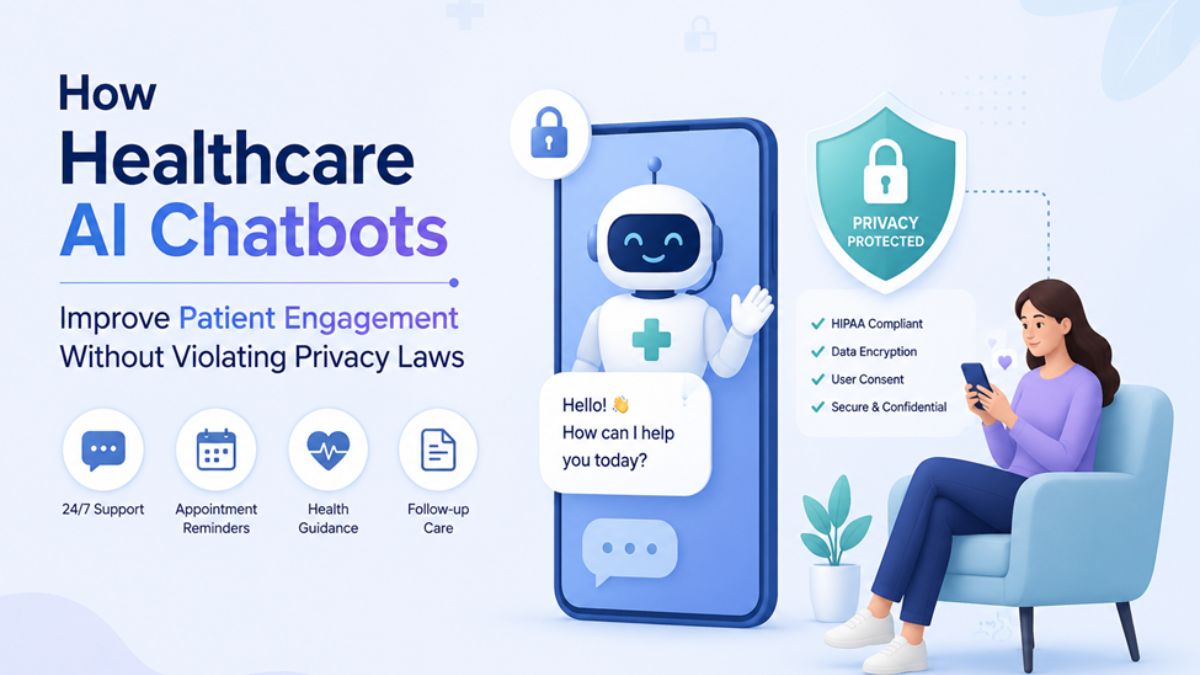
Healthcare organizations are navigating two pressures that pull in opposite directions. Patients expect faster, always-on communication while regulators demand airtight data protection. A single HIPAA breach now averages $7.4 million in costs, yet administrative bottlenecks continue to push patients away from routine care. The promise of conversational AI healthcare is real, but so are the compliance pitfalls that come with it.
This article explains how a modern AI chatbot for healthcare can genuinely improve patient access and satisfaction, what separates a legally sound deployment from one that creates serious institutional risk and why the technical architecture matters far more than most organizations realize before they sign a vendor contract.
Why General-Purpose AI Cannot Handle Patient Data
The core problem is straightforward. When a patient tells a chatbot about their symptoms, medication schedule or upcoming procedure, that interaction constitutes Protected Health Information (PHI) under HIPAA. Any system that creates, stores or transmits PHI must have rigorous safeguards in place.
The specific danger with large language models is a behavior called model memorization. Consumer AI tools can inadvertently absorb patient inputs during processing and surface that information in unrelated future responses. This is not speculative; it is a documented characteristic of how these models learn, which is why consumer versions of widely used AI tools are prohibited for patient-facing interactions.
There is also a legal distinction many organizations overlook. Under HIPAA, any AI vendor that handles PHI must sign a Business Associate Agreement (BAA), establishing direct liability for protecting that data. Skipping this step is a compliance violation before a single patient conversation takes place. Evaluating the best HIPAA-compliant AI chatbot for hospitals means treating this contractual foundation as the starting point rather than a checkbox at the end of procurement.
The Architecture Behind a Compliant Chatbot
Deploying a secure AI chatbot for patient engagement requires more than vendor assurances. Compliance must be structural, built into how the system processes data from the moment a patient sends a message.
Zero-Retention Processing
A HIPAA-compliant AI chatbot processes patient inputs in real time, generates a response and then immediately discards the data. PHI never enters model training. This zero-retention approach is what separates compliant healthcare AI solutions from consumer alternatives. The model becomes more capable over time using curated clinical knowledge, not patient conversations.
Data Minimization Through RAG
Smart AI doesn’t need your entire medical history just to check a calendar. Instead, it uses a precise tool called RAG to pull only the specific detail you asked for. By focusing strictly on your current question, the system protects your privacy while still giving you fast, accurate answers.
Encryption at Every Layer
Encrypted healthcare communication is a baseline requirement, not an optional enhancement. Data in transit requires TLS 1.2 or higher, while data at rest requires AES-256 encryption. Every healthcare AI chatbot with secure messaging should be able to demonstrate adherence to both standards before going live.
Identity Verification Before Disclosure
Secure conversational AI does not disclose personal health details without first confirming who is asking. If a patient requests lab results or appointment information, a compliant system triggers a One-Time Password (OTP) or multi-factor authentication step before proceeding. This prevents unauthorized access even when a device has been compromised.
Append-Only Audit Logging
Every interaction must be permanently recorded in an unalterable format to satisfy AI compliance in healthcare and its requirements. These logs allow organizations to demonstrate regulatory adherence during federal audits and to investigate anomalies quickly when they arise.
How AI Transforms the Patient Experience
Once healthcare organizations establish a secure and compliant foundation, the focus shifts to improving the patient journey. A patient engagement chatbot helps eliminate common sources of frustration by making healthcare interactions faster, more accessible, and less dependent on administrative bottlenecks.
Scheduling Without the Hold Time
Appointment scheduling remains one of the most resource-intensive administrative functions in healthcare. Instead of requiring patients to wait on hold or navigate multiple transfers, conversational AI for patient appointment scheduling enables self-service appointment management.
What patients can do instantly:
- Book appointments
- Reschedule existing visits
- Cancel appointments
- Join waitlists for earlier openings
- Receive automated confirmations and reminders
What providers gain:
- Reduced front-desk call volume
- Lower scheduling workload for staff
- Fewer missed appointments
- Faster response times for patients
By automating routine scheduling requests, AI chatbot for patient scheduling creates a smoother experience while freeing staff to focus on higher-value patient interactions.
Round-the-Clock Availability
Healthcare questions do not follow business hours. Patients often need support during evenings, weekends, and holidays when administrative teams are unavailable. An AI-driven patient engagement tool provides continuous access to information and assistance by handling multiple patient conversations simultaneously.
Common use cases include:
- Answering post-treatment questions
- Providing medication guidance
- Sharing appointment information
- Directing patients to appropriate care resources
- Escalating urgent concerns when needed
For patients, this means faster access to support. For healthcare organizations, it means delivering consistent service without expanding staffing requirements. Healthcare providers evaluating conversational AI solutions will find several compliant platforms in the market. GetMyAI is one such option, offering healthcare organizations a way to deploy patient engagement workflows while maintaining security, governance and operational oversight requirements.
Proactive Post-Discharge Follow-Up
Many healthcare providers struggle to maintain meaningful communication after a patient leaves the facility. Manual outreach is often inconsistent and difficult to scale.
A patient engagement chatbot can automate post-discharge communication through structured follow-up workflows.
Examples of automated follow-up activities:
- Sending recovery check-ins
- Collecting symptom updates
- Monitoring adherence to care plans
- Delivering educational content
- Escalating concerning responses to clinical teams
With healthcare chatbot automation, providers can move from reactive patient management to proactive engagement. An AI-driven patient engagement tool supports earlier intervention, stronger patient relationships, and improved continuity of care while helping reduce avoidable readmissions.
The Shifting Legal Landscape in Healthcare
Healthcare organizations can no longer focus only on federal HIPAA requirements. Healthcare data privacy obligations are growing as states introduce additional AI-specific regulations. California’s AB 489 and SB 243, along with Texas’s TRAIGA framework, require AI systems to disclose their identity during patient conversations. These laws also restrict chatbots from making clinical decisions on their own, requiring human clinical oversight for diagnosis and treatment-related guidance.
These disclosure requirements carry direct design implications. A privacy-first healthcare AI deployment must include clear bot-identity messaging at the start of every session alongside accessible pathways to reach a human staff member. If a system detects emotional distress or clinical complexity, the handoff to a human must be immediate and frictionless.
For organizations evaluating a medical conversational AI platform, these regulatory shifts reinforce why healthcare chatbot integration with existing EHR systems is non-negotiable. Whether you are a large health system or sourcing a privacy-compliant AI chatbot for clinics, the technology must route patients appropriately and pull verified clinical context in real time. A disconnected chatbot cannot do either.
Trust Is the Real Differentiator
Framing AI-powered patient engagement purely as an efficiency gain misses the larger strategic opportunity. Patients are becoming more informed about how their health data is handled. They read breach headlines and they will disengage from AI tools that feel opaque or risky regardless of how convenient those tools are.
An enterprise healthcare conversational AI solution that is genuinely secure does more than protect an organization from OCR penalties. It gives patients a concrete reason to trust the channel, which is the prerequisite for any engagement strategy to work at scale.
When selecting an AI chatbot platform for healthcare providers, the decisive question is not about feature lists or contract pricing. It is whether the architecture was designed to keep patient trust intact under regulatory scrutiny. HIPAA-secure messaging, zero-retention processing, rigorous identity verification and transparent AI disclosure are not constraints on what healthcare AI can accomplish. They are the features that make it worth deploying in the first place.
You May Also Read : Pravi Celer: Benefits, Uses, and How to Add It to Your Daily Diet

Many people try popular diets hoping for quick results, only to find the weight returns or the plan becomes difficult to maintain. Medical weight loss offers a more structured path, guided by clinical evaluation, realistic goals, and ongoing monitoring.
Programs for medical weight loss Florida typically focus on the reasons weight gain happens, not just the number on the scale. This can include metabolism, hormones, medications, sleep, stress, eating patterns, and activity level.
Fad Diets Often Miss the Bigger Picture
Fad diets usually focus on restriction. They may remove entire food groups, promise rapid results, or rely on strict rules that are difficult to follow long term. While some people lose weight at first, the approach may not support lasting health.
Medical weight loss takes a broader view. A clinician may evaluate health history, lab markers, body composition, and lifestyle habits. This helps identify barriers that a standard diet plan may overlook.
Common Limits of Short-Term Diet Plans
- They may be too restrictive for daily life
- They often do not address medical conditions
- They can lead to cycles of weight loss and regain
- They may not provide enough protein or nutrients
- They rarely include long-term maintenance planning
Personalization Matters
Weight management is not the same for everyone. Age, hormones, muscle mass, insulin response, medications, and daily routines all influence progress. A personalized plan can help match strategies to a person’s actual needs.
This may involve nutrition guidance, physical activity planning, metabolic support, behavioral strategies, and, when appropriate, prescription medication. The goal is not perfection. The goal is steady progress that fits real life.
Medical Oversight Can Improve Safety
Some diets can be risky for people with chronic conditions or those taking certain medications. Very low-calorie plans, extreme carbohydrate restriction, or supplement-heavy programs may affect blood sugar, blood pressure, digestion, or energy levels.
Medical supervision helps reduce unnecessary risk. Health markers can be reviewed over time, and the plan can be adjusted when progress slows, side effects occur, or health needs change.
Support Beyond the Scale
Fad diets often measure success only by pounds lost. Medical weight loss may also consider waist measurement, energy, sleep quality, blood pressure, glucose control, cholesterol, mobility, and appetite regulation.
This wider view can help people stay motivated, especially when scale changes are gradual. Improvements in daily function and health markers may show that meaningful progress is happening.
How Peptide Therapy May Fit Into Weight Management
Some medically supervised plans include therapies that support metabolism, recovery, appetite signaling, or body composition. Interest in peptide therapy Florida has grown as people look for options that may complement nutrition and lifestyle changes.
Peptides are short chains of amino acids that help signal different processes in the body. They are not a replacement for healthy habits, and suitability depends on individual health status, goals, and clinical judgment.
Long-Term Maintenance Is a Key Difference
Many fad diets focus heavily on the first few weeks. Medical weight loss usually places more emphasis on what happens after weight is lost. Maintenance planning may include meal structure, resistance training, sleep improvement, stress management, and follow-up monitoring.
This is important because weight regain is common when old habits return. A practical maintenance plan helps people understand how to respond to plateaus, travel, schedule changes, and appetite shifts.
Building a Sustainable Relationship With Food
A medically guided approach does not have to mean rigid eating. Many plans emphasize balanced meals, adequate protein, fiber-rich foods, hydration, and flexible choices. This can reduce the all-or-nothing mindset that often comes with dieting.
People often choose medical weight loss because they want a plan based on health, not trends. With individualized guidance, realistic expectations, and careful monitoring, weight management can become more sustainable and less confusing.
You May Also Read : How Sandy Springs Families Can Prove Nursing Home Negligence In Court

Women’s healthcare is rapidly moving away from standardized, provider-driven models in order to better serve diverse populations with specialized needs. Today, providers emphasize listening to patients and making care decisions collaboratively, aiming to foster trust and empower every woman. For those seeking reproductive health options, comprehensive services at abortion clinics in Detroit are part of this broader shift, offering care that prioritizes comfort and choice while respecting each patient’s values and experiences.
This patient-centered approach is gaining traction not only because it improves individual outcomes but also because it leads to greater satisfaction and engagement across all demographics. Healthcare practitioners are now more likely to collaborate with women in all stages of life, incorporating their preferences into care plans and ensuring accessibility to important preventive services, including screenings and counseling.
By prioritizing patients’ perspectives, today’s women’s health professionals create an environment where communication flows freely and trust builds over time. This results in treatments that are not only more appropriate for each patient but are also more effective overall. Women increasingly expect their health providers to provide holistic, personalized services, and medical centers are rising to meet this demand through new care models and expanded offerings.
Nationally recognized initiatives, such as those recommended by the American College of Obstetricians and Gynecologists, are modernizing standards of care to reflect this trend, ensuring that quality and access improve for women everywhere. This shift is supported by leading research and by patients’ experiences demonstrating the benefits of such an approach.
Understanding Patient-Centered Care
Patient-centered care in women’s health focuses on recognizing each woman as an individual, understanding her history, values, and circumstances. Unlike traditional models that might set rigid schedules and protocols, patient-centered models stress flexibility and adaptability. The aim is to cultivate a partnership between patient and provider, empowering women to take a proactive role in their health decisions rather than being passive recipients of care.
The Importance of Comprehensive Services
Access to a broad range of services in one place is essential for ensuring continuity and convenience in women’s care. For example, the model employed by centers such as the Carolyn Rowan Center for Women’s Health and Wellness brings together expertise across disciplines, including obstetrics, gynecology, endocrinology, and cardiology, in a single, integrated setting. This structure allows specialists to communicate more efficiently, helping to create a holistic care plan tailored to each woman’s needs and reducing the burden of navigating fragmented health systems.
Innovations in Prenatal Care
Prenatal care is another area undergoing major change to better serve both mothers and babies. Rather than adhering rigidly to outdated visit schedules, current recommendations support personalized, need-driven visit frequencies. The American College of Obstetricians and Gynecologists suggests fewer, longer prenatal visits for women with average- or low-risk pregnancies, focusing on proven interventions that improve outcomes. This individualized approach not only addresses concerns about access and convenience but also helps to close gaps in outcomes, particularly for women who have historically experienced poorer access to maternity care.
Addressing Health Disparities
Reducing inequities remains a top priority for many women’s health advocates. Providers are increasingly attentive to the challenges faced by patients with disabilities or from minority backgrounds and are developing best practices to ensure all women receive equitable, respectful care. Awareness of bias and commitment to continuous education among health professionals are key strategies to overcoming longstanding disparities in outcomes. National organizations encourage providers to routinely assess and adapt their protocols to meet the evolving needs of every patient, as discussed in recent guidance from the American College of Obstetricians and Gynecologists.
Expanding Access to Care
Improved access is fundamental to patient-centered care. For women in underserved areas or with limited mobility, new clinics and expanded telehealth offerings are increasingly common solutions. The recent opening of the Center for Women’s Health West Mobile, for example, demonstrates a commitment to bringing essential health services, including gynecologic care, prenatal and postpartum care, and preventive screenings, directly to those who need them most. Such efforts help bridge care gaps and ensure that no woman is left behind due to logistical, physical, or socioeconomic barriers.
Integrating Technology in Women’s Health
Digital health innovations make it easier for women to participate actively in their care, whether through secure electronic health records, virtual consultations, or advanced artificial intelligence tools. Technologies like speech-based AI systems can assist women in documenting symptoms, monitoring progress, and communicating with providers more effectively—especially in low-resource settings. These advances lower barriers to care, boost patient engagement, and help track and improve health outcomes over time.
Conclusion
The transformation toward patient-centered care in women’s health is a powerful movement that seeks to center the lived experiences and perspectives of every patient. By offering coordinated, comprehensive services, incorporating cutting-edge technology, and vigilantly addressing disparities, health systems are better equipped than ever to meet women where they are. These advancements promise not only improved health outcomes but a more compassionate and empowering experience for women at every stage of life.
You May Also Read : Understanding Waveform Analysis in Electronic Testing

Your oral health is about more than just having a bright smile. It is a key factor in your overall wellness, from preventing diseases to boosting your confidence in everyday life. Professional teeth cleaning goes beyond what you can do at home, removing stubborn plaque and reducing your risk of serious dental conditions. If you are wondering when to book your next dental appointment, be on the lookout for clear warning signs. Residents seeking expert teeth cleaning services can greatly benefit from a timely visit to their dentist.
Many people neglect regular dental cleanings until discomfort arises, but catching issues early can significantly impact their long-term oral health. Monitoring for certain symptoms between dental visits not only protects your teeth and gums but also helps prevent costlier treatments down the road. This article highlights the five most common signs it is time to prioritize your next professional cleaning.
1. Bleeding or Swollen Gums
If you notice your gums are bleeding when you brush or floss, this is not normal and should not be ignored. Swelling, redness, and tenderness are all early signs of gum disease (gingivitis), which can develop from neglecting professional cleanings. Routine cleanings remove the harmful bacteria and plaque that irritate your gums, helping to keep gum disease at bay.
2. Persistent Bad Breath or Unpleasant Taste
Occasional bad breath can happen to anyone, but if it becomes a frequent problem or you notice an unpleasant taste in your mouth that will not go away, it could signal ongoing bacterial buildup. Even diligent home brushing may not fully remove bacteria trapped below the gumline. A dental cleaning can target these stubborn areas to help you achieve fresher breath and a healthier mouth. Regular visits help ensure this issue is far less likely to become chronic.
3. Tooth Sensitivity or Pain
Increased sensitivity to hot or cold foods, as well as spontaneous tooth pain, are signs that should not be ignored. These symptoms could result from enamel erosion, cavities, or gum recession, all of which are addressed during professional cleanings. Dental hygienists can spot areas of concern, remove harmful buildup, and provide preventive treatments like fluoride to strengthen your teeth.
4. Noticeable Plaque or Tartar Buildup
If you notice a sticky, fuzzy film on your teeth that doesn’t come off with regular brushing and flossing, you may have plaque or tartar buildup. Tartar is hardened plaque that cannot be removed at home and requires professional tools for proper cleaning. Left untreated, tartar can contribute to cavities, enamel erosion, and gum irritation. According to the American Dental Association, removing tartar during professional cleanings helps protect your teeth from future damage.
5. It Has Been Six Months or Longer Since Your Last Cleaning
Even if you do not notice any obvious signs or symptoms, the passage of 6 months or more since your last dental cleaning is a prompt to book an appointment. Biannual visits are the gold standard for most people. However, individuals with certain conditions, like diabetes or a history of gum disease, may need more frequent visits. Consistent professional cleanings are essential for intercepting dental issues early and maintaining optimal oral health. You can find more information on dental visit recommendations from Healthline.
Why Regular Cleanings Matter
Skipping dental appointments does not just impact your smile. Poor oral health has been linked to conditions such as cardiovascular disease and diabetes. By scheduling regular cleanings, you are investing in your health, preventing oral diseases, and preserving your natural teeth for longer. As your dental provider evaluates your mouth during cleanings, they can also catch early warning signs of non-dental health issues.
Next Steps for Oral Health
If you recognize any of these five signs, do not wait for the problem to worsen. Call your dental office today to set up your next cleaning. In between visits, maintain excellent oral hygiene by brushing twice daily, flossing each day, and using an antimicrobial mouth rinse. Remember that professional and at-home care work together for your best oral health.
Being proactive in scheduling your teeth cleanings will help you enjoy a healthy smile and prevent complications that might otherwise require more extensive treatments. Listen to the signals your mouth sends you, and give your oral health the attention it deserves.
You May Also Read : How Healthcare AI Chatbots Improve Patient Engagement Without Violating Privacy Laws
-

 Business6 months ago
Image Search Techniques: Smarter Ways to Find Accurate Visual Results Online
-
Health4 months ago
Why Are So Many Autistic Girls and Women Still Missing Out on Early Identification?
-

 Lifestyle7 months ago
Sustainable Ways to Buy and Sell Antiques
-

 Sports4 months ago
Ultimate Pragmatic Juara100.org Medal Achievement Guide for Maximum Rewards
-

 Technology5 months ago
TabooTube: What It Is, How It Works, and Whether It’s Worth Your Time
-

 Technology8 months ago
Top Features of ProgramGeeks Social You Didn’t Know About
-

 Health6 months ago
Pravi Celer: Benefits, Uses, and How to Add It to Your Daily Diet
-

 Education5 months ago
Soutaipasu Explained: Meaning, Uses, and Why It’s Gaining Attention