Technology
PermanentAd: What It Is, How It Works, and Why Businesses Use Permanent Advertising Strategies


Businesses today compete for attention across countless online and offline channels. One strategy that continues to gain importance is PermanentAd, a concept focused on creating advertising assets that deliver value over a long period instead of generating only temporary results.
Rather than relying solely on short-lived promotional campaigns, PermanentAd emphasizes sustainable visibility, consistent branding, and ongoing customer engagement. Whether through evergreen content, search engine optimization, branded resources, or long-lasting digital campaigns, this approach helps businesses build authority while reducing long-term marketing costs.
In this guide, you’ll learn what PermanentAd means, how it works, its advantages and disadvantages, practical examples, common mistakes, and proven best practices.
What Is PermanentAd?
PermanentAd refers to a long-term advertising strategy designed to keep a business visible over an extended period instead of relying on advertisements that disappear after a campaign ends.
Unlike traditional ads with limited budgets and expiration dates, PermanentAd focuses on marketing assets that continue attracting visitors, leads, and customers for months or even years.
Key Characteristics
- Long-lasting visibility
- Evergreen marketing content
- Consistent brand messaging
- Sustainable customer acquisition
- Reduced dependence on paid advertising
This strategy often combines SEO, content marketing, brand building, and digital assets that continue generating traffic after publication.
Featured Snippet
PermanentAd is a long-term advertising approach that creates lasting marketing assets designed to generate continuous visibility, traffic, and customer engagement instead of temporary promotional results.
Why Permanent Advertising Matters
Many companies spend heavily on campaigns that stop producing results the moment the budget runs out.
Permanent advertising works differently because the investment continues delivering value.
Benefits at a glance
| Permanent Advertising Benefit | Business Impact |
|---|---|
| Long-term visibility | Continuous brand exposure |
| Lower acquisition costs | Better return on investment |
| Evergreen traffic | Consistent website visitors |
| Stronger authority | Increased customer trust |
| Brand recognition | Higher customer recall |
Businesses that balance both temporary campaigns and permanent marketing assets often achieve more stable growth.
How PermanentAd Works
PermanentAd isn’t a single marketing tool. Instead, it’s a combination of strategies that continue producing results over time.
SEO Content
Helpful blog articles answer customer questions and remain searchable for years.
Evergreen Guides
Educational resources continue attracting readers without constant updates.
Brand Authority
Publishing valuable information helps businesses become trusted sources.
Digital Assets
Examples include:
- Downloadable guides
- Resource libraries
- Educational videos
- FAQ pages
- Knowledge centers
- Product comparison pages
Each asset contributes to ongoing customer discovery.
PermanentAd vs Traditional Advertising
Although both approaches support business growth, their goals differ.
| Feature | PermanentAd | Traditional Advertising |
| Duration | Long-term | Short-term |
| Cost over time | Often decreases | Continues as budget increases |
| Traffic | Compounds gradually | Stops after campaign ends |
| Brand value | Builds steadily | Depends on campaign duration |
| ROI | Improves over time | Immediate but temporary |
The strongest marketing plans often combine both methods.
Where PermanentAd Is Commonly Used
Many industries benefit from permanent advertising strategies.
Digital Marketing
Businesses publish educational content that ranks in search engines.
E-commerce
Stores create buying guides and product tutorials.
Software Companies
Knowledge bases answer customer questions before purchase.
Healthcare
Medical providers publish educational resources.
Finance
Banks and financial advisors create long-term educational articles.
Education
Universities publish informational content that attracts prospective students.
Real-World Examples
Imagine a gardening company publishing an in-depth guide on growing tomatoes.
Instead of paying for daily advertisements, the article attracts readers every growing season.
Similarly, an accounting firm that publishes annual tax planning resources continues receiving visitors each year with only minor updates.
These examples illustrate how PermanentAd creates marketing assets that keep working long after publication.
Advantages of PermanentAd
Businesses increasingly invest in permanent marketing because of its long-term benefits.
Pros
- Generates sustainable traffic
- Builds customer trust
- Supports SEO performance
- Lowers long-term advertising costs
- Improves brand recognition
- Creates valuable educational resources
- Delivers compounding marketing returns
Businesses focused on long-term growth often prioritize these benefits.
Potential Limitations
No strategy is perfect.
PermanentAd also has challenges.
Cons
- Takes time to produce results
- Requires consistent content quality
- Needs regular updates
- Competitive industries require stronger optimization
- Initial investment can be significant
However, patience often leads to stronger long-term returns.
Common Mistakes Businesses Make
Many organizations misunderstand permanent advertising.
Common mistakes include:
- Publishing low-quality content
- Ignoring keyword research
- Forgetting content updates
- Creating promotional rather than helpful articles
- Neglecting technical SEO
- Failing to measure performance
- Expecting immediate results
Avoiding these mistakes significantly improves success.
Best Practices for Long-Term Success
Building sustainable marketing assets requires planning.
Focus on User Intent
Create content that genuinely answers customer questions.
Keep Information Updated
Review articles regularly to maintain accuracy.
Improve Internal Linking
Connect related pages to help both visitors and search engines.
Build Topic Authority
Cover subjects comprehensively instead of creating isolated articles.
Monitor Performance
Track:
- Organic traffic
- Keyword rankings
- Conversion rates
- User engagement
- Bounce rate
- Time on page
Consistent improvements strengthen long-term results.
PermanentAd Strategy Framework
| Stage | Objective | Recommended Action |
| Research | Understand audience | Identify common search questions |
| Planning | Create content roadmap | Organize evergreen topics |
| Publishing | Build valuable resources | Focus on quality over quantity |
| Optimization | Improve visibility | Update content regularly |
| Measurement | Evaluate performance | Track SEO and conversion metrics |
Following a structured process helps maximize long-term value.
Is PermanentAd Worth It?
For businesses seeking sustainable growth, PermanentAd can become one of the most valuable marketing investments.
Although results may take longer than paid campaigns, the cumulative benefits often outweigh the initial effort. High-quality evergreen content, optimized website resources, and consistent brand messaging continue generating value long after publication.
Companies that combine permanent advertising with targeted promotional campaigns often enjoy stronger brand awareness, lower acquisition costs, and more predictable growth.
Conclusion
PermanentAd represents a long-term approach to marketing that prioritizes sustainable visibility over temporary exposure. By investing in evergreen content, SEO, educational resources, and lasting digital assets, businesses can attract customers consistently while reducing reliance on ongoing advertising spend.
Success doesn’t happen overnight. However, organizations willing to create valuable content, maintain quality, and continually improve their marketing assets are more likely to enjoy lasting results. As digital competition continues growing, permanent advertising strategies remain an essential part of building a recognizable and trusted brand.
Frequently Asked Questions
1. What does PermanentAd mean?
PermanentAd refers to a long-term advertising strategy that creates lasting marketing assets capable of generating continuous visibility and customer engagement.
2. Is PermanentAd only for online businesses?
No. Both online and offline businesses can use permanent advertising strategies through educational content, branding, customer resources, and long-lasting promotional materials.
3. How long does PermanentAd take to show results?
Most long-term marketing strategies begin showing measurable improvements within several months, depending on competition and content quality.
4. Does PermanentAd replace paid advertising?
Not entirely. Permanent advertising complements paid campaigns by providing sustainable traffic alongside immediate promotional efforts.
5. Why is PermanentAd important for SEO?
Permanent marketing assets create evergreen content that attracts search traffic over time, improving visibility, authority, and long-term website performance.
/ You May Also Read /
What Is Scamiikely? Complete Guide to Understanding Scamiikely and Online Scam Detection

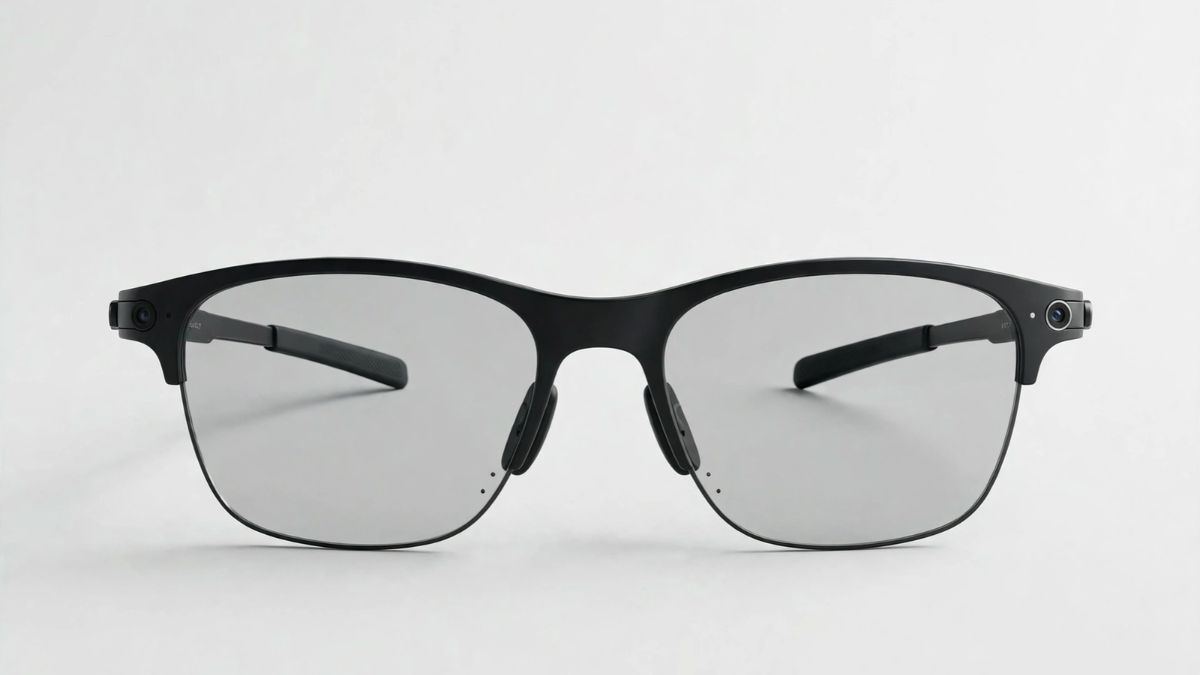
Eyewear has evolved significantly over the years. What was once considered an essential accessory for vision protection has now become an important part of personal style and everyday technology. From classic frames to innovative smart eyewear, modern consumers have more choices than ever. Among the latest developments in the eyewear industry, smart glasses have gained considerable attention for combining functionality, convenience, and fashion.
One of the most interesting innovations in this category is Ray-Ban Meta sunglasses. These smart glasses blend the iconic design of traditional sunglasses with modern technology, offering a new eyewear experience. Whether you enjoy capturing everyday moments, listening to music, or staying connected while travelling, smart eyewear introduces exciting possibilities.
What Makes Ray-Ban Meta Sunglasses Different?
Traditional sunglasses mainly protect your eyes from sunlight while enhancing your style. Smart eyewear takes this concept further by incorporating technology into the frame.
Ray-Ban Meta sunglasses feature built-in cameras, open-ear audio, microphones, and voice-controlled features. These functions allow users to interact with their surroundings without constantly reaching for their smartphones.
Some of their notable features include:
- Built-in Camera: Capture photos and videos from your point of view, making it easier to record everyday experiences.
- Open-Ear Audio: Listen to music, podcasts, and calls while remaining aware of your surroundings.
- Voice Assistance: Use voice commands to access supported features hands-free.
- Modern Connectivity: Connect the glasses to compatible smartphones for a more convenient experience.
- Stylish Designs: Enjoy familiar eyewear silhouettes with contemporary technology.
These features make smart glasses an interesting option for people who appreciate both fashion and technological innovation.
How Smart Eyewear Is Changing Everyday Experiences
Technology has become an integral part of daily life, influencing how people communicate, work, travel, and entertain themselves. Smart eyewear reflects this shift by making certain digital activities more accessible and convenient.
For travellers, built-in cameras can help capture memorable experiences without holding a phone. Content creators can record hands-free videos from their perspective, while music enthusiasts can enjoy audio through integrated speakers.
Smart glasses can also be useful during everyday activities such as walking, shopping, or exploring new places. Instead of constantly interacting with a smartphone, users can access selected features through voice commands.
However, it is important to remember that smart eyewear is not designed to replace smartphones. Rather, it complements existing technology by providing additional convenience.
Choosing Eyewear That Matches Your Personal Style
While technology is an important consideration, appearance remains one of the biggest factors when selecting eyewear. The right frame can complement facial features, enhance an outfit, and create a distinctive personal look.
When exploring different eyewear options, consider the following factors:
- Frame Shape
Different frame shapes suit different face structures. Square frames can create a defined appearance, while round frames offer a softer aesthetic. Aviator and rectangular designs remain popular choices for people who prefer versatile styles.
- Lens Quality
Choose lenses that offer suitable UV protection and visual comfort. Polarised lenses can also help reduce glare in appropriate conditions.
- Frame Material
Lightweight and durable materials can improve comfort, especially when wearing glasses for extended periods.
- Everyday Versatility
Consider whether the eyewear complements your regular clothing, professional outfits, and casual looks.
These factors are equally important when selecting traditional sunglasses or premium optical frames.
Luxury Eyeglasses: Combining Comfort, Quality, and Sophisticated Design
Apart from smart eyewear, premium optical fashion continues to attract consumers who value craftsmanship, comfort, and timeless aesthetics. Luxury eyeglasses are designed to offer more than basic vision correction. They combine carefully selected materials, distinctive frame designs, and attention to detail.
From elegant metal frames to bold acetate styles, premium eyewear collections offer options for different personalities and preferences.
Here are some reasons why people prefer premium eyewear:
- Superior Craftsmanship: Attention to frame construction and finishing creates a refined appearance.
- Comfortable Designs: Well-designed frames provide a comfortable fit for everyday use.
- Distinctive Styling: Premium collections feature different shapes, colours, and finishes.
- Long-Term Versatility: Classic designs can remain fashionable across changing trends.
- Brand Heritage: Established eyewear brands often bring years of design experience and expertise.
Whether you need prescription glasses for daily use or sunglasses for outdoor activities, investing in a suitable pair can improve both comfort and personal style.
Smart Glasses vs Traditional Sunglasses: Which Should You Choose?
The choice between smart glasses and traditional sunglasses depends on your lifestyle and requirements.
Smart glasses are suitable for people interested in hands-free photography, audio experiences, and connected technology. Traditional sunglasses, on the other hand, remain a practical choice for people who primarily want sun protection, comfortable lenses, and classic designs.
Before making a purchase, consider:
- Your primary purpose for buying eyewear.
- The importance of technology-based features.
- Your preferred frame style and fit.
- Lens protection and quality.
- Your budget and maintenance requirements.
There is no single option that works for everyone. The best choice is the one that meets your everyday needs while complementing your personal style.
Tips for Maintaining Your Premium Eyewear
Regardless of whether you choose smart glasses or traditional frames, proper maintenance can help extend their lifespan.
- Clean the lenses regularly using a suitable microfibre cloth.
- Avoid placing your glasses lens-side down on hard surfaces.
- Store your eyewear in a protective case when not in use.
- Keep your glasses away from excessive heat.
- Follow the manufacturer’s cleaning and maintenance instructions.
- Get the frame adjusted professionally if it becomes loose or uncomfortable.
For smart glasses, follow the manufacturer’s instructions for charging, software updates, and electronic component care.
Conclusion
The eyewear industry continues to evolve with changing consumer expectations and technological advancements. Smart eyewear demonstrates how traditional fashion accessories can become more functional through innovation, while premium optical collections continue to highlight the importance of quality, comfort, and design.
Ray-Ban Meta sunglasses represent an exciting combination of technology and iconic styling, making them an interesting choice for consumers exploring modern eyewear. At the same time, traditional premium frames remain relevant for those who appreciate timeless fashion and everyday practicality.
Ultimately, choosing the right eyewear is about finding the perfect balance between functionality, comfort, quality, and personal expression. Whether you prefer smart glasses or sophisticated optical frames, the right pair can become an essential part of your everyday style.

The digital storytelling landscape is undergoing a massive technical shift as native artificial intelligence moves from backend optimization directly into the user interface. In mid-2026, Meta rolled out its highly anticipated suite of generative creative features for Instagram Stories, anchored by its new proprietary engine, Muse Image.
Developed by Meta Superintelligence Labs, these updates move past standard visual filters to give creators real-time, text-to-graphic manipulation tools right inside the app. As competition for organic reach intensifies, leveraging these native features has become essential for rapid scaling.
For brands looking to instantly amplify their visual footprint alongside these tools, strategic growth shortcuts can help build a foundation; creators often choose to buy instagram followers from https://blastup.com/buy-instagram-followers to boost their initial social proof, allowing their newly optimized AI content to reach much larger audiences faster.
The Dawn of Muse Image: Unpacking Instagram’s 2026 Story Upgrades
The centerpiece of this update is the Muse Image engine, a generative AI model built natively into the Instagram Stories camera interface. Previously, creators had to rely on third-party design applications or external AI software to generate high-fidelity contents. Now, the internal camera allows for immediate, on-the-fly prompt execution.
Users can tap a dedicated AI effects icon to execute full image transformations, background replacements, and contextual object drops using descriptive language. The model introduces over 30 distinct native AI effects. These range from dynamic lightning shifts that alter the time of day in a photo to complex stylistic modifications that completely restyle a standard smartphone image into specialized art formats—such as hyper-realistic cinematic renders, oil paintings, or vector illustrations.
| Feature Metric | Standard Native Effects (Pre-2026) | Muse Generative AI Engine (2026) |
| Asset Origin | Pre-designed static overlays and asset filters | Real-time generative asset creation via text prompt |
| Environmental Control | Fixed color grading and basic spatial masks | Full lighting, object insertion, and style remapping |
| Processing Location | Local device graphic rendering | Cloud-assisted cloud rendering via Meta Labs |
| Customization Depth | Limited to slider opacity and asset position | Unlimited variations based on text prompt inputs |
How Creators are Using AI Tools to Drive Real-Time Engagement
The rollouts go far beyond just fun visuals; they fundamentally rewrite content workflows for digital media managers and standalone influencers. By eliminating the time-consuming step of asset production, the time from conceptualizing a brand story to hitting publish has dropped significantly.
Data from early adoption cycles indicates that accounts utilizing multi-layered AI effects experience higher viewer retention rates on sequential story frames. To maximize these engagement metrics, forward-thinking social media teams are adopting specific content strategies:
- Contextual Visual Continuity: Creators use text-based prompts to maintain an identical aesthetic across multiple, physically distinct environments. By prompting consistent style layers, a series of stories shot across different days can instantly look unified.
- Interactive Prompt-Driven Stickers: By embedding generative prompt results directly into engagement widgets, brands allow audiences to vote on or suggest changes to subsequent story designs, creating a dynamic, real-time feedback loop.
- Rapid Asset Prototyping: Small business owners can take basic, unedited product photos on a smartphone and instantly generate professional, clean lifestyle backgrounds right inside the story editor, cutting out the need for complex studio lighting setups.
Navigating the Privacy Shift: The Mechanics of “Sharing and Reuse”
While the creative tools offer incredible flexibility, the deployment of the Muse model has sparked a massive conversation regarding user data permissions and digital privacy rights. In its initial rollout, Meta designed the system around an automated opt-in architecture. This means public account photos and reels are automatically indexed by the system to assist other users with inspiration and style references unless the account owner manually turns it off.
For professional creators, managing these parameters is critical to protecting their original intellectual property and personal likeness. Taking control of your data privacy requires adjusting specific backend settings within the native application layout.
Settings and Activity → Sharing and Reuse → Meta AI Permissions
Once inside this specific directory, users will find explicit options labeled “Allow people to reuse your content on Instagram and with AI features at Meta”. Toggling these controls off for both individual posts and video reels removes those specific creative assets from the shared public training pool. Teen accounts feature stricter privacy protections by default, but verifying these configurations remains a crucial best practice for brand managers overseeing corporate assets.
The Future of Short-Form Storytelling: What’s Next?
Instagram’s quick shift toward deeper AI integration points to a future where creators move completely away from static templates. The platform is already working on native AI video generation features, showing that short-form storytelling will soon be completely customizable, interactive, and built on real-time prompts.
View more Instagram growth resources to explore additional strategies that complement these emerging trends. As these tools advance, the top accounts on the platform won’t just be the ones with the largest production budgets. Instead, success will belong to creators who blend smart prompt engineering with authentic storytelling, all while keeping a close eye on their brand privacy settings.
You May Also Read : Understanding Waveform Analysis in Electronic Testing

The TikTok world has now changed. The time of very polished videos and perfect lifestyle content is almost gone. Quick lip-syncing trends that feel empty are also not as popular now. People feel tired of seeing perfect lives and perfect posts. They do not use the app to see people who look perfect all the time. A new way of using the app is here. The TikTok algorithm now rewards videos where you feel a real, raw, and honest human connection with others the most.
If you want your content to get noticed this year, you need to drop the big company scripts and start sharing more real stories. But even if you get good at telling your story, creators and brands still have to keep steady, everyday engagement. This tells the platform’s system that people care about the posts. Using something like auto likes that activate on every upload can help your page get moving fast as soon as you post. This gives your very real and easy-to-connect videos the best chance to go right on the For You Page (FYP).
The Death of the “Aesthetic” and the Rise of “Reali-TEA”
TikTok’s official trend forecasts now use the term “Reali-TEA” to talk about the main change in what people do on the app. People are not looking to run away into some dream world. Instead, they want things that feel real, honest, and let them feel like they are part of people’s lives.
- The Imperfection Premium: Videos with small mistakes, untidy spaces, or honest “get set with me” confession talks do much better than big-budget studio videos.
- The “Evidence Economy”: People are very doubtful. They ask to see “proof of process.” When you show the messy real-life side of things, like starting a business, learning something, or not getting a recipe right, it builds a deep trust that polished ads just can’t give.
Data Info: A look at e-commerce in 2026 showed this. User-Generated Content (UGC)-style videos, which are lo-fi and feel like a friend made them, had a much better return. They got an average of 55% higher ROI than the usual fancy brand ads.
How the 2026 Algorithm Rewards Relatability
The system behind TikTok has changed a lot over time. It used to be a simple interest system. Now, it is much smarter. The algorithm does not focus on surface-level numbers. Instead, it pays more attention to strong signs of how people really feel and act.
[Algorithmic Weight Hierarchy in 2026]
- Watch Time & Completion Rate (Highest)
- Video Saves & Shares
- Replays & Long-form Comments
- Superficial Likes (Lowest)
Now, the platform tracks how long people watch very closely, down to every small moment. People will watch a video all the way to the end if the video has a strong story, one that sets up the scene, introduces a problem, and provides a resolution. This can assist in spreading the video a great deal more throughout TikTok. TikTok is now favoring longer videos, as long as 60 to 180 seconds, allowing creators the time to tell full stories.
Learn how to create your story with the authentic 3-step framework.
As there’s a new wave of business and storytelling, the old methods of video production need to be replaced. Bring your content to life and go through these steps that prioritize people:
-
Unfiltered Hook: First 3 Seconds
Begin with a statement that is very open and raw, or start by getting into what happened. Do not start slow. For instance, you can say: “I got wrapped up in my business and nearly ruined this morning, and here is how it happened.
-
Visual Pattern Interrupts: The Messy Middle
Share the struggle. Make your editing as simple as possible. Make easy jump cuts or raw voiceovers. Update camera angle or introduce new background text every 10-15 seconds. This helps to lock the viewer’s attention on your video.
-
The Talkative Payoff: Call to Conversation
It isn’t advisable to use a regular or strong call to action such as “follow for more”. Rather, pose a question that begins with “Why,” “How,” or “What. You can also pose a question that is near someone. This makes the viewer think that they want to come to the comments section and post their opinions.
Blending Narrative Power with Algorithmic Strategy
In the end, the people who win with views are the ones who care about both feelings and good planning. A good script keeps the viewer watching. Using helpful tools like auto likes that activate on every upload helps you build a strong base of steady activity. When the platform sees quick likes and comments in the first hour, it starts to share your real, long videos with many more people who are likely to care. When you mix real human stories with smart growth plans, your content can do well on today’s social media.
You May Also Read : What Is Incestflox? Understanding the Online Search Term and Internet Safety
-

 Business6 months ago
Image Search Techniques: Smarter Ways to Find Accurate Visual Results Online
-
Health5 months ago
Why Are So Many Autistic Girls and Women Still Missing Out on Early Identification?
-

 Lifestyle8 months ago
Sustainable Ways to Buy and Sell Antiques
-

 Sports5 months ago
Ultimate Pragmatic Juara100.org Medal Achievement Guide for Maximum Rewards
-

 Education5 months ago
How You Structure Dissertation Research to Build Strong Academic Arguments
-

 Topic1 month ago
Guide to Choosing Asphalt Maintenance for San Diego, CA Properties
-

 Technology6 months ago
TabooTube: What It Is, How It Works, and Whether It’s Worth Your Time
-

 Technology8 months ago
Top Features of ProgramGeeks Social You Didn’t Know About