
Automotive
How to Protect Your Vehicle From Theft With These Smart Upgrades

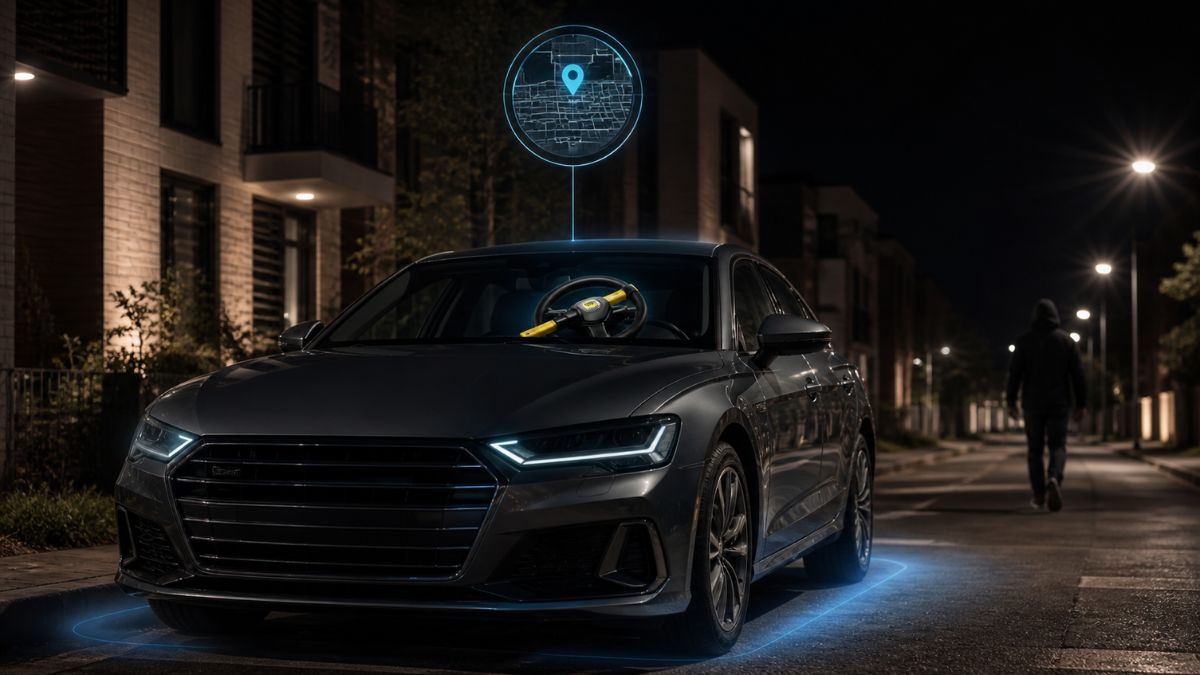
Vehicle theft isn’t just something that happens in big cities or late at night—it can happen anywhere, often when you least expect it. What’s more concerning is how quickly modern thieves can access and take a vehicle if it isn’t properly secured. Many cars today rely heavily on electronic systems, which, while convenient, can also create new vulnerabilities.
The good news is that protecting your vehicle doesn’t require complicated or expensive solutions. In many cases, simple upgrades and smart habits can make a huge difference. The goal isn’t to make your car impossible to steal—it’s to make it difficult enough that thieves move on to an easier target.
Starting with visible deterrents like a steering wheel lock is one of the simplest ways to immediately reduce your risk.
Security Upgrades Thieves Hate the Most
Thieves look for speed, ease, and low risk. If a vehicle takes too long to break into or requires extra effort to start, it becomes far less appealing. This is why certain security upgrades are especially effective—they disrupt the process and create obstacles that most thieves don’t want to deal with.
A steering wheel lock is one of the most effective visual deterrents. Even before a thief attempts entry, seeing a locked steering wheel signals that the vehicle will require extra time and effort to steal. In many cases, that alone is enough to make them walk away.
Another powerful upgrade is installing a kill switch. This device prevents the engine from starting unless it’s activated in a specific way. Even if someone gains access to your vehicle, they won’t be able to drive it without knowing how to bypass the system. It adds an extra layer of protection that isn’t immediately visible, making it even more effective.
Alarm systems also play a role in deterring theft. Loud alarms draw attention, which is something thieves try to avoid. While some may attempt to disable alarms, the added risk often discourages them from trying in the first place.
GPS tracking systems are another valuable upgrade. While they don’t prevent theft directly, they increase the chances of recovering your vehicle if it is stolen. Knowing that a car may be trackable can also act as a deterrent.
Parking habits can also work as a form of security. Well-lit areas, visible locations, and secure garages all reduce the likelihood of theft. Combining good habits with physical upgrades creates a stronger overall defense.
The key is layering your security. No single upgrade is perfect on its own, but combining multiple deterrents makes your vehicle significantly harder to target.
How to Make Your Vehicle Not Worth the Risk
The most effective way to prevent theft is to make your vehicle less attractive to thieves. This doesn’t necessarily mean making it look different—it means increasing the level of effort required to take it.
One of the easiest ways to do this is by reducing visibility of valuables. Items left in plain sight can attract attention and give thieves a reason to break in. Keeping your interior clean and using smart car accessories for organization helps eliminate temptation.
Another important step is securing entry points. Always lock your doors, close your windows, and avoid leaving spare keys in obvious places. These simple habits can prevent many theft attempts before they even begin.
Upgrading your vehicle’s locking system can also improve security. Reinforced locks or additional security devices make it harder for thieves to gain access quickly. The longer it takes, the more likely they are to give up.
Technology can also be used to your advantage. Many modern vehicles offer apps or systems that allow you to monitor your car remotely. Even basic features like notifications or location tracking can add an extra layer of awareness.
Consistency is key. Security measures only work if they’re used regularly. Taking a few extra seconds to lock your car, engage a steering wheel lock, or activate a kill switch can make a significant difference.
It’s also important to stay aware of your surroundings. If something feels off—whether it’s a suspicious person or an unusual situation—it’s better to take precautions than to ignore it.
Ultimately, theft prevention is about reducing opportunity. The more obstacles you create, the less likely your vehicle is to be targeted.
Conclusion
Protecting your vehicle from theft doesn’t require extreme measures—it requires smart, consistent actions and a few well-chosen upgrades. From visible deterrents like steering wheel locks to hidden protections like kill switches, each layer of security adds to your overall protection.
Thieves are always looking for the easiest target. By making your vehicle harder to access and operate, you significantly reduce the chances of it being stolen. Simple steps, when combined, can create a strong defense that keeps your car safe.
In the end, it’s not about eliminating risk entirely—it’s about staying one step ahead. With the right approach, you can protect your vehicle and have greater peace of mind wherever you go.
You May Also Read:
ABS Testauslösung: Causes, Solutions, and Tips for Safe Error Diagnosis

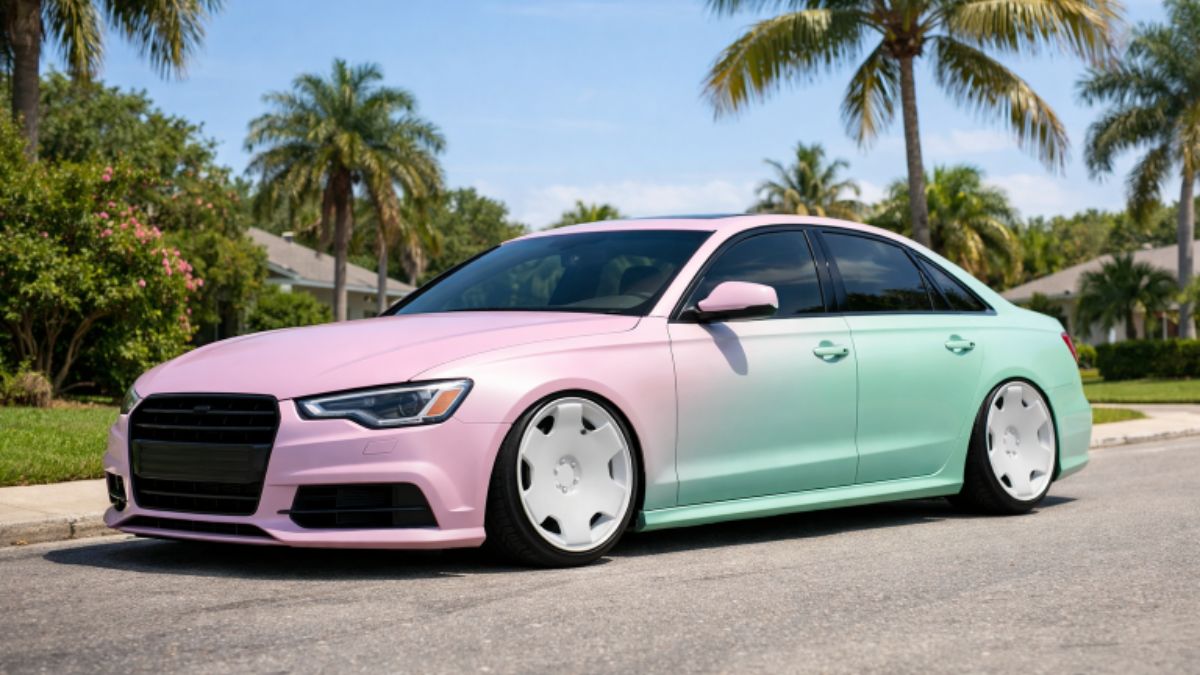
Longwood, FL, known for its vibrant automotive culture and lush subtropical surroundings, is right at the center of evolving trends in vehicle personalization. This year, drivers and auto enthusiasts in the area are seeking ways to blend practical enhancements with head-turning aesthetics. Whether you are sprucing up a daily driver or carefully curating a showpiece, trends circulating in Longwood reflect national leaps in technology, sustainability, and design. For those interested in the best ceramic coating for cars in Longwood, FL, 2026 presents a range of opportunities to stand out on the road and protect your investment.
The unique climate and local car shows in Longwood encourage both practical and stylish modifications. Customizations that offer UV protection, environmental resilience, and easy maintenance are prioritized. Add to this a community keen on both luxury appearance and efficient technology, and it’s clear why Longwood is an automotive trendsetter in Central Florida. Over the next several sections, we explore the modifications and materials transforming the local automotive landscape. From retro-inspired wheel designs and soft pastel vinyl wraps to eco-conscious materials and high-tech enhancements, the range of possibilities is greater than ever. Meanwhile, personal touches inside the cabin and expanded options for electric vehicles ensure every auto enthusiast finds their niche. No matter your goals, 2026 inspires you to customize your ride in ways that harmonize with Longwood’s climate and community. If you are searching for the top automotive ceramic coating near me, local providers stand ready to deliver superior protection and finish, complementing the customization trends featured below.
Flat-Faced Alloy Wheels
Classic meets contemporary as the demand for flat-faced alloy wheels grows in Longwood. These wheels, inspired by vintage motorsport aesthetics, now ride alongside new models and classic cars. Residents appreciate the balance of nostalgia, improved aerodynamics, and undeniable curb appeal, especially for those who attend local car meets or weekend cruises on Seminole County roads.
Pastel Vinyl Wraps
One of the most eye-catching local trends is the rise of pastel vinyl wraps. Pastel hues like mint green, lilac, and Tiffany blue offer a gentle, modern alternative to more common metallic or primary colors. These wraps do more than create a statement; they shield factory paint from UV rays and Longwood’s frequent rainfall, helping maintain your vehicle’s value and presentation.
Sustainable Customization
With a flourishing eco-conscious community, Longwood drivers are increasingly choosing green upgrades. Interior materials crafted from recycled plastics and sustainably sourced fibers are seen in more vehicles throughout the region. Additionally, eco-friendly paint options that reduce environmental impact without compromising on vivid colors or durability are becoming standard. This trend aligns with efforts to preserve Central Florida’s lush natural landscapes and waterways.
Advanced Technology Integrations
Keeping pace with national smart vehicle innovations, Longwood’s customization experts frequently add advanced technology upgrades. Features like integrated navigation, heads-up displays, remote start, and responsive ambient lighting are especially valued for their comfort during Florida’s hot spells. Safety upgrades, including 360-degree cameras and driver-assistance tools, make both city commuting and scenic drives safer and more enjoyable for Longwood motorists.
Personalized Interior Modifications
A growing number of drivers in Longwood are transforming their vehicle interiors to match personal taste and local lifestyle needs. Custom seating in breathable fabrics or high-grade leather, upgraded sound systems, programmable LED lighting, and bespoke trim panels allow you to make every drive uniquely comfortable and stylish. These modifications are particularly appealing in Longwood, where many residents enjoy road trips around Central Florida and seek a luxurious environment for family and friends.
Electric Vehicle Modifications
Electric vehicles are more common on Longwood streets each year, and so are the unique customizations designed for them. Owners now leverage software upgrades to unlock additional features and boost efficiency. In addition, exterior enhancements, such as unique wraps and bold wheel options, allow EV drivers to maintain individuality while embracing sustainability. With EV infrastructure expanding in Florida, these customization options continue to grow in popularity.
Minimalist Aesthetic with Matte and Satin Finishes
Minimalism is in vogue, and nowhere is that clearer than in the demand for matte and satin finishes. These understated options offer sophisticated style with practical benefits, hiding minor blemishes and simplifying cleaning, an advantage during pollen-heavy spring weeks or after seasonal storms. Many Longwood auto enthusiasts are transitioning to these finishes for both personal vehicles and fleet cars to present a modern image with minimal upkeep.
Tech-Driven Enhancements
The latest wave of technology-driven enhancements continues to gain traction. Advanced driver assistance features, such as adaptive cruise control and lane-keeping aids, are now commonplace in custom builds. State-of-the-art infotainment units with expansive screens and wireless connectivity keep drivers connected and entertained. Customizable LED lighting, both inside and out, adds a touch of flair to evening gatherings and showcases in Longwood’s bustling car enthusiast scene. 2026 is a transformative year for automotive customization in Longwood, FL. The blending of style, sustainability, and advanced technology allows every vehicle on the road to reflect its owner’s personality and priorities while protecting it against Florida’s elements. Whether you want a bold new look or subtle, smart enhancements, this year’s trends prove there are more inspiring choices than ever before.
Conclusion
Automotive customization trends in Longwood, FL, continue to evolve with a strong focus on style, sustainability, and advanced technology. From pastel vinyl wraps and flat-faced alloy wheels to smart tech integrations and eco-friendly upgrades, drivers now have more ways than ever to personalize their vehicles while improving comfort and performance. As electric vehicles and minimalist finishes gain popularity, local enthusiasts are embracing modifications that balance individuality and practicality. Whether you are aiming for bold visual impact or subtle modern enhancements, 2026 offers exciting opportunities to create a vehicle that stands out on Longwood’s roads while staying protected against Florida’s unique climate.
You May Also Read : Trucofax Explained: What It Is, How It Works, and Why It Matters in 2026
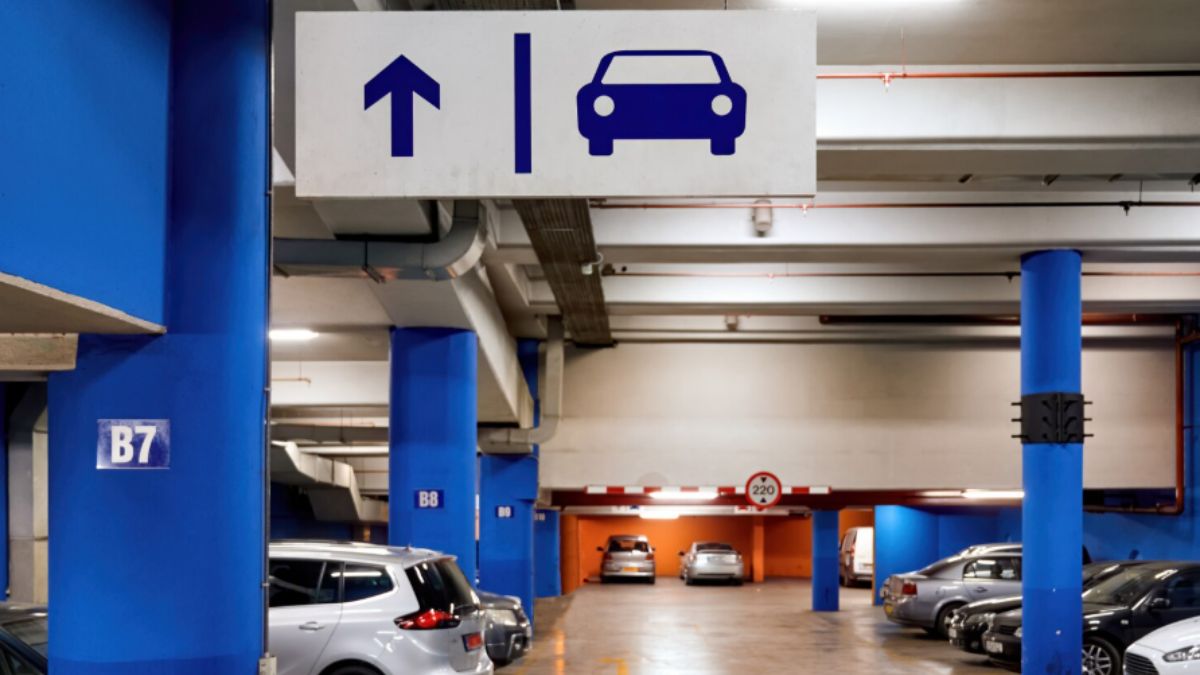
Garages help vehicles stay protected by keeping them organized, and off of congested streets where there may be limited parking. Since the space is constrained, advanced layouts introduce stackable platforms to maximize vertical capacity. Here is more information on understanding different parking garage types:
Underground Car Garage
An underground garage is built below ground level to accommodate a high density of parked cars and provides complete overhead cover to protect your vehicle from the elements. Since these multi-level structures descend beneath the street grid, they usually feature elevators or stairs. Urban developers utilize these facilities to maximize limited city space, preserving surface land for pedestrian zones or buildings. These facilities may be constructed under residential complexes, commercial skyscrapers, or shopping malls.
Underground garages feature specialized engineering elements to promote structural integrity and longevity. Heavy-duty reinforced concrete pillars and retaining walls support the weight of the buildings above. High-capacity mechanical ventilation systems continuously purify air within the facility. Advanced automated drainage and sump pump networks prevent flooding from groundwater or heavy rain runoff, and LED lighting runs continuously to eliminate dark corners and maintain visibility throughout the facility.
Multi-Level Structural Decks
A multi-level structural deck is an elevated facility built above ground level within a network of garages. It consists of multiple tiered, or partially enclosed, driving platforms stacked vertically above the surface lot level. This allows it to accommodate high-density vehicle storage. The layout uses vertical concrete structures and reinforced steel frameworks to maximize vehicle capacity within a single geographic footprint. Multi-level structural decks have separate levels that expand capacity across large metropolitan areas. They have physical entry and exit points that are managed to control traffic flow. The structural decks have driving ramps that allow cars to transition between the stacked levels.
Mixed-Use Combined Garages
A mixed-use garage is built within a single structural complex that houses commercial businesses or residential properties. It shares the physical foundations and walls with the other buildings. The facility consists of multiple levels of paved parking decks positioned below or adjacent to occupied residential or corporate zones. This layout format uses combined architectural footprints to provide car storage within a single centralized property.
This facility type features dedicated sections partitioned to separate short and long-term vehicle storage needs. The interior is equipped with access gates and wayfinding signage to guide drivers to the correct zones. These garages also feature physical organizational components, including marked driving lanes and designated bays.
Mixed-use garages provide shared vehicle storage for residential occupants and commercial commuters. This reduces the number of garages a city needs, as they are dual-purpose. These structures connect drivers to their destinations via shared elevators and integrated lobbies, eliminating the need to walk outside. Upper storage levels are concealed behind architectural screens or faux windows that mirror the design of adjacent buildings.
Event Vehicle Storages
An event vehicle storage facility accommodates vehicles traveling to major entertainment or corporate venues. It consists of paved platforms situated directly adjacent to high-traffic public arenas. This structure uses a pre-planned vehicle management system to handle sudden influxes of thousands of concurrent drivers. Event vehicle garages utilize the following localized configurations during high-traffic booking windows:
- Painted directional arrows
- Electronic occupancy display boards
- Reflective traffic guiding cones
Mobile barcode validation scanners are operated by gate attendants at physical checkpoints. These digital tools can quickly read printed passes or smartphone-screen reservations and allow passage. Heavy-duty rolling security gates function as the physical perimeter defense system at the main street-level entry and exits.
Automated Lift Garage
An automated lift garage is fully enclosed and replaces driving ramps with motorized mechanical hoist frameworks. It consists of a multi-tiered structural system in which vehicles are positioned on lifting plates at the street-level entrance bay. This mechanical design optimizes vertical space to store cars within tight architectural envelopes. An automated motorized lift transports the automobile to upper tiers without requiring a driver to remain inside. The entryway has integrated sensors that scan the car’s dimensions to determine whether it fits within the lifting limits.
Learn More About Parking Facilities
Oversized vehicle garages provide high-clearance spaces specifically for large vehicles such as SUVs and pickup trucks. They have extra-wide bays designed to accommodate the broader wheelbases and longer frames of larger vehicles. Contact a reputable parking garage management platform to learn more about their services.
You May Also Read : How to Protect Your Vehicle From Theft With These Smart Upgrades

Purchasing a used truck is a significant investment, so approaching the process with a keen eye for detail is crucial. Knowing which features to inspect and which potential warning signs to watch for helps ensure both reliability and peace of mind. Whether you are exploring options online or browsing car lots in Texas, understanding the key areas for evaluation makes a substantial difference in your purchase.
Carefully review a used truck’s condition, from exterior to interior and mechanical performance, to get the best value and avoid surprises. Use tools like vehicle history reports and inspections, whether at a dealership or private seller. A systematic approach helps you find a durable, satisfying truck and avoid issues affecting performance or resale. Follow this guide for an informed choice.
Exterior and Frame Inspection
Visual inspection is the first step in evaluating a used truck. Examine the entire exterior for signs of rust, paying particular attention to the frame and wheel wells. While minor surface rust is common and often superficial, deep or flaky rust can signal structural concerns that may compromise safety. In addition, check for evidence of previous repairs such as mismatched paint, irregular panel gaps, or signs of body filler. These inconsistencies often point to accident damage or subpar restoration work.
Engine and Transmission Evaluation
Pop the hood and carefully review the engine’s condition. Begin by starting the engine from cold and listening for abnormal noises, such as rattles, knocks, or persistent ticking. These sounds often indicate underlying mechanical issues. Inspect the engine oil and transmission fluid for color and odor, as clean, properly maintained fluids generally indicate regular maintenance. Discolored, burnt, or gritty oil can suggest neglect. When testing the transmission, shifting should feel smooth and immediate, with no hesitation or rough engagement.
Interior and Electronics Check
Step inside the cabin and evaluate the seating, upholstery, and dashboard for excessive wear, stains, or odors. An overly worn interior often suggests heavy use or neglect. Next, systematically test all electronic components, including window controls, locks, mirrors, climate systems, and infotainment features. Nonfunctional electronics can lead to expensive repairs and signal broader electrical issues. Ensuring all safety systems, such as airbags and seatbelt sensors, operate correctly is equally important for your peace of mind.
Reviewing Vehicle History
Always request a vehicle history report before proceeding with your buying decision. This document discloses accident history, title problems, previous ownership, and documented service records. It can also verify whether the truck was part of any manufacturer recalls or flood incidents, or whether its odometer was tampered with. Obtaining a detailed report allows you to spot red flags that would not be evident during a visual inspection or test drive.
Mileage Considerations
A truck’s overall mileage plays a significant role in its value and remaining lifespan. Gasoline trucks typically offer the best reliability under 100,000 miles, while many diesel trucks can easily surpass 200,000 miles if well maintained. However, higher-mileage trucks with meticulous service records are often preferable to lower-mileage trucks with poor maintenance records. Evaluate how the truck’s previous use (personal or commercial) aligns with its mileage, as hard labor or frequent towing may add hidden wear.
Conducting a Test Drive
A comprehensive test drive is critical to evaluating real-world conditions and performance. Focus on braking efficiency, responsive steering, smooth acceleration, and seamless gear shifts. Listen for vibrations, rattles, or any clunking noises that could signal underlying suspension or drivetrain problems. Make sure the truck tracks straight without pulling to one side, which could indicate alignment or frame issues.
Professional Mechanic Inspection
Even if the test drive is flawless, a pre-purchase inspection by a trusted mechanic is a wise investment. Their professional expertise enables a thorough diagnosis of potential concerns, from minor leaks and worn belts to major engine, transmission, or frame issues. Bringing in a third-party expert provides peace of mind and can help uncover problems that might have been overlooked, helping avoid costly repairs after purchase.
Exploring Financing Options
Compare financing options before buying. Some pay cash or use their own banks; many dealerships offer tailored loans for used vehicles. Shop around for competitive rates, low fees, and flexible terms to suit your budget. Knowing your financing options ensures a smooth, affordable purchase.
Buying a used truck can be rewarding if you thoroughly inspect the truck, use vehicle history reports, and consult experts. Diligence helps find a truck that offers value and reliable performance for years.
Conclusion
In conclusion, buying a used truck needs careful evaluation at each stage, including exterior, mechanical checks, vehicle history, and test drive. These steps help uncover hidden issues, ensuring safety, reliability, and durability. Combining detailed inspections, professional advice, and informed financing enables confident choices. With patience, buyers can find a dependable truck offering good value and long-term service.
You May Also Read : 5 Things to Check Before Ordering Bulk Sod for a Project
-

 Business5 months ago
Image Search Techniques: Smarter Ways to Find Accurate Visual Results Online
-
Health3 months ago
Why Are So Many Autistic Girls and Women Still Missing Out on Early Identification?
-

 Lifestyle6 months ago
Sustainable Ways to Buy and Sell Antiques
-

 Sports3 months ago
Ultimate Pragmatic Juara100.org Medal Achievement Guide for Maximum Rewards
-

 Health4 months ago
Pravi Celer: Benefits, Uses, and How to Add It to Your Daily Diet
-

 Technology4 months ago
TabooTube: What It Is, How It Works, and Whether It’s Worth Your Time
-

 Business5 months ago
Understanding the Idaho Policy Institute Formal Eviction Rate 2020 Shoshone County: Housing Stability Insights
-

 Technology7 months ago
Top Features of ProgramGeeks Social You Didn’t Know About