
Fashion
How to Choose Gym Wear That Actually Enhances Your Physique, Not Just Hides It

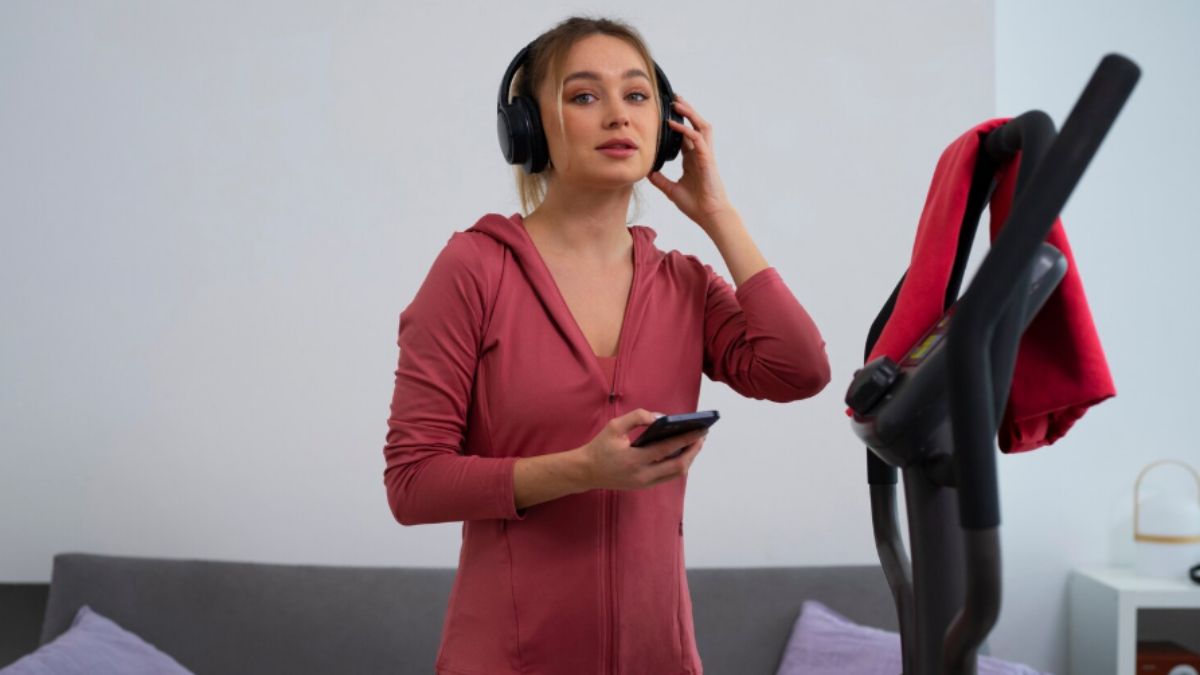
Walk into any gym today and you’ll notice something immediately: people aren’t just lifting weights anymore—they’re dressing for the workout too. But there’s a big difference between throwing on random activewear and choosing pieces that actually work with your body.
The right gym wear doesn’t magically change your physique, but it can frame it better, support your movement, and even improve how you feel while training. It’s a bit like lighting in photography or plating in a restaurant—same subject, very different presentation.
Let’s break down how to choose gym clothing that highlights your natural shape instead of hiding it under loose fabric or awkward fits.
Understanding Why Gym Wear Changes How You Look and Feel
Most people don’t think about clothing in terms of structure, but in fitness wear, structure is everything.
Think of it like architecture. A building doesn’t just stand—it’s designed to guide your eye upward, create balance, and highlight key features. Gym wear works the same way. Seams, compression zones, waistbands, and fabric stretch all influence how your body is visually shaped.
For example, in retail and fashion merchandising, stores use lighting and mannequin positioning to emphasize certain silhouettes. In the same way, a well-designed pair of leggings can lift and define your glutes simply through seam placement and tension—not padding or exaggeration, just smart construction.
On the other hand, oversized clothing might feel comfortable, but it often removes shape entirely. You lose the visual cues of progress—waist definition, leg contour, shoulder alignment. That’s why many people feel like they “don’t look like they train” even when they do.
Gym wear should work with your body, not against it.
What Actually Enhances Your Physique (It’s Not What Most People Think)
Enhancing your physique through clothing isn’t about wearing tighter clothes. That’s a common mistake. True enhancement is about intentional shaping.
Let’s take leggings as an example. A basic pair might just stretch to fit your legs. But performance-focused leggings use things like:
- High-rise waistbands to anchor your midsection visually
- Contour seams that guide the eye along your glutes and thighs
- Compression fabric that supports muscles and smooths uneven tension
- Strategic stretch zones that allow movement without losing structure
In practical terms, it’s similar to how athletic shoes are engineered. Running shoes don’t just cushion your feet—they guide your stride and improve efficiency. Gym wear does the same for your visual silhouette.
Sports bras also play a major role. A well-fitted bra doesn’t just provide support; it balances proportions. If your upper body feels stable and aligned, your entire posture improves, which instantly changes how your physique appears.
Even something as simple as a crop top length can shift perception. A slightly higher crop paired with high-waisted bottoms elongates the legs visually. This is the same principle interior designers use when they raise curtain rods above windows to make ceilings feel taller.
Every detail matters more than people realize.
Common Mistakes and How to Fix Them (Without Overthinking It)
One of the biggest mistakes people make is choosing gym wear based only on size labels. But sizing varies wildly across brands and styles. Two “medium” leggings can fit completely differently depending on fabric tension and cut.
Another common issue is choosing clothing that is either too loose or too compressive in the wrong areas. Too loose, and you lose all shape definition. Too tight, and it can distort proportions or feel restrictive, especially during compound movements like squats or deadlifts.
Let’s break down a few real-world fixes:
- If your leggings slide down during workouts
You probably need a firmer waistband or better waist-to-hip ratio design—not a smaller size. - If your outfit feels shapeless in photos or mirrors
Look for contour stitching or paneling. These subtle design elements make a huge difference in visual structure. - If you feel “flat” despite training hard
It’s often not your body—it’s your clothing not highlighting your natural curves or muscle lines.
This is where intentional selection matters. Just like chefs don’t randomly plate food, you shouldn’t randomly pick gym wear and expect it to enhance presentation.
If you want to explore pieces designed with these principles in mind, you can visit link to see examples of how structure, fit, and fabric work together in real activewear design.
Choosing Gym Wear That Works With Your Lifestyle, Not Just Your Workout
There’s another layer people often overlook: gym wear doesn’t only exist in the gym anymore.
Think about your daily routine. You might wear activewear:
- On a coffee run after training
- During errands
- While traveling
- Even at casual social meetups
That means your clothing is constantly communicating something about your lifestyle—discipline, energy, and attention to detail.
In the same way companies use uniforms to signal professionalism or identity, your gym wear becomes part of your personal “visual brand.”
So choosing well-fitting, structured pieces isn’t just about aesthetics—it’s about consistency. You want something that looks good under fluorescent gym lights and natural daylight outside.
A practical tip is to think in “sets” instead of individual items. Matching sets naturally balance proportions. They also reduce the mental effort of pairing items, which is why many athletes and fitness coaches default to them. It’s the same reason tech professionals often wear simplified wardrobes—it reduces friction and keeps focus on performance.
Finally, don’t underestimate comfort. Enhancement only works if you can move freely. A well-designed outfit should disappear in your awareness during training. If you’re constantly adjusting straps or pulling at waistbands, the design is working against you, not with you.
Final Thoughts
Choosing gym wear that enhances your physique isn’t about chasing trends or squeezing into smaller sizes. It’s about understanding structure, fit, and how clothing interacts with movement.
When done right, the effect is subtle but powerful. Your posture improves. Your proportions look more balanced. And most importantly, you feel more aligned with the effort you’re putting into your training.
It’s not about changing your body—it’s about presenting it in a way that reflects the work you’ve already done.
You May Also Read: Why On Cloud is Setting a New Trend?
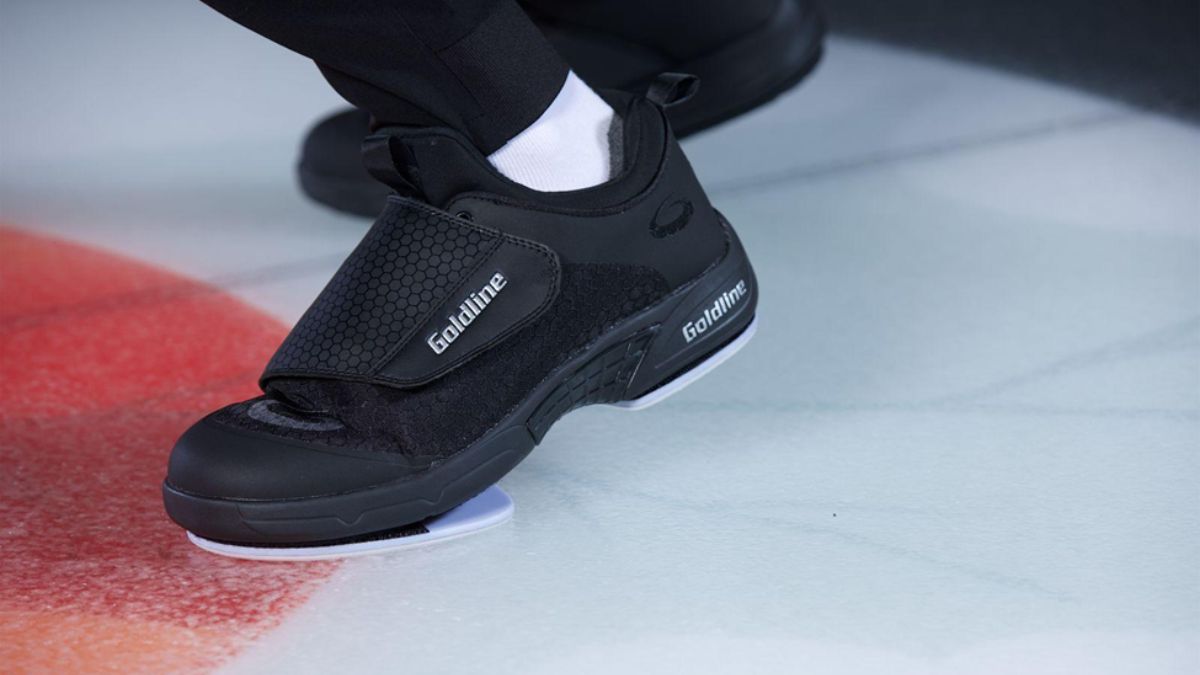
Choosing between entry-level and pro curling shoes can make a real difference in how comfortable, balanced, and confident you feel on the ice. While both types are designed to help players slide and grip properly, they are not built for the same level of control, speed, or performance.
For new curlers, the right shoe can make learning the delivery feel smoother and less awkward. For more experienced players, upgraded shoes can support a longer slide, better stability, and more precise movement. Understanding the difference helps you choose footwear that matches your skill level, playing frequency, and goals.
Why Curling Footwear Matters
Curling requires a special kind of balance because one foot must slide smoothly on the ice while the other provides steady traction. That is why curling shoes are built with two different soles: a slider on one foot and a gripper on the other.
The slider helps you move smoothly out of the hack during delivery. The gripper gives traction when pushing off, sweeping, or walking on the ice. A slip-on gripper is also commonly used over the slider foot when you are not throwing.
What Entry-Level Shoes Offer
Entry-level shoes are designed for new and casual players who want comfort, safety, and better control than regular athletic shoes with a strap-on slider.
They usually have a slower slider, which can be helpful for beginners. A slower slide gives the player more time to feel balanced and correct their body position. This can make learning less intimidating.
Common entry-level features include:
- Comfortable synthetic or basic leather uppers
- Thinner sliders for moderate speed
- Good traction on the gripper foot
- Lower pricing than advanced models
- Simple, reliable construction
For players who curl once a week or are still building confidence, entry-level footwear is often enough.
What Pro Shoes Offer
Pro-level shoes are built for players who want more speed, precision, and long-term performance. They often use higher-quality materials, thicker sliders, and more supportive construction.
A faster slider can help experienced players create a longer, smoother delivery. However, it also requires better balance and body control. For that reason, pro shoes are not always the best choice for someone just starting out.
Many advanced models also feel more stable around the foot. This added structure can help reduce unwanted movement during the slide, especially for players with a consistent delivery style.
Main Differences To Consider
The biggest difference is usually slider speed. Entry-level shoes are easier to manage, while pro shoes allow faster movement across the ice.
Comfort and support also matter. Beginners may prefer flexibility and softness. Competitive players may prefer a firmer shoe that holds the foot in place.
Durability is another factor. Pro shoes often use stronger materials and may last longer for frequent players. But if you only play casually, an entry-level pair may give better value.
When To Upgrade
You may be ready to upgrade when your delivery feels consistent, and your current shoes start limiting your slide. If you feel stable but want more glide, a higher-performance slider may help.
It also makes sense to compare shoes with other curling supplies so that your gear matches how often you play and how seriously you take improving.
You May Also Read : What Is Incestflox? Understanding the Online Search Term and Internet Safety


Consumers today are paying closer attention to where their clothes come from, how they’re made, and the impact they have on the environment. Creartlaine is a fashion brand specializing in sustainable clothing, offering stylish collections that combine modern design with environmentally responsible practices. By focusing on ethical sourcing, quality craftsmanship, and timeless fashion, the brand appeals to shoppers who want their wardrobe to reflect both personal style and conscious values.
Rather than following fast-changing trends, Creartlaine encourages thoughtful fashion choices built around durability, versatility, and responsible production. This approach helps reduce waste while allowing customers to invest in clothing designed to last.
What Is Creartlaine?
Creartlaine is a sustainable fashion brand dedicated to producing clothing with environmental and ethical responsibility in mind. Its philosophy centers on creating attractive apparel while minimizing the industry’s environmental footprint.
Key Characteristics
- Sustainable materials
- Ethical manufacturing
- Long-lasting designs
- Responsible sourcing
- Timeless collections
- Quality craftsmanship
Featured Snippet
Creartlaine is a sustainable fashion brand that creates eco-friendly clothing using responsibly sourced materials, ethical production methods, and timeless designs aimed at reducing environmental impact while maintaining modern style.
Why Sustainable Fashion Matters
Fashion is one of the world’s largest industries, but it also contributes significantly to pollution and waste. Sustainable brands help address these issues by adopting better production methods.
Environmental Benefits
- Reduced textile waste
- Lower carbon emissions
- Less water consumption
- Reduced chemical pollution
- Increased use of renewable materials
Consumer Benefits
- Higher-quality garments
- Better durability
- Comfortable natural fabrics
- Ethical purchasing decisions
- Timeless wardrobe pieces
Table: Traditional Fashion vs Sustainable Fashion
| Feature | Traditional Fashion | Sustainable Fashion |
|---|---|---|
| Production Speed | Fast | Responsible |
| Material Quality | Often mixed synthetic | Organic and recycled |
| Product Lifespan | Short | Long-lasting |
| Environmental Impact | High | Lower |
| Waste Generation | Significant | Minimized |
| Ethical Standards | Varies | Priority |
Creartlaine’s Sustainable Materials
Material selection is one of the most important aspects of responsible fashion. Choosing environmentally friendly fabrics helps reduce pollution while providing comfortable, durable garments.
Organic Cotton
Organic cotton is grown without harmful pesticides and uses farming practices that support healthier soil and ecosystems.
Recycled Fabrics
Recycled fibers transform existing materials into new textiles, helping reduce landfill waste and conserve natural resources.
Linen
Linen requires less water than many conventional fabrics and offers excellent durability and breathability.
Hemp
Hemp grows quickly, requires fewer pesticides, and produces strong natural fibers suitable for everyday clothing.
Bamboo-Based Fabrics
Responsibly processed bamboo fabrics provide softness, breathability, and moisture management.
Ethical Manufacturing Practices
Responsible production goes beyond fabric selection. Ethical manufacturing ensures workers receive fair treatment while maintaining safe working conditions.
Important Ethical Standards
- Fair wages
- Safe workplaces
- Reasonable working hours
- Transparent supply chains
- Responsible sourcing partnerships
Brands that embrace these standards contribute to healthier communities while building consumer trust.
Building a Sustainable Wardrobe with Creartlaine
Creating an eco-conscious wardrobe doesn’t require replacing everything overnight. Small, thoughtful purchases often have the greatest long-term impact.
Smart Shopping Tips
- Buy versatile clothing.
- Choose timeless colors.
- Focus on quality over quantity.
- Mix and match essentials.
- Maintain garments properly.
Table: Sustainable Wardrobe Essentials
| Clothing Item | Why It’s Valuable | Styling Flexibility |
|---|---|---|
| Organic Cotton T-Shirt | Everyday comfort | High |
| Linen Shirt | Breathable and durable | High |
| Recycled Denim | Long-lasting | High |
| Sustainable Jacket | Multi-season wear | Medium |
| Organic Knit Sweater | Warm and timeless | High |
| Ethical Sneakers | Everyday use | High |
How Creartlaine Supports Responsible Fashion
Responsible fashion extends beyond manufacturing. It also includes packaging, shipping, and customer education.
Many sustainable brands prioritize:
- Recyclable packaging
- Reduced plastic use
- Carbon-conscious logistics
- Long-lasting garment design
- Product transparency
These initiatives help reduce environmental impact throughout the product lifecycle.
Benefits of Choosing Sustainable Clothing
Consumers increasingly recognize the value of investing in responsibly made apparel.
Personal Benefits
- Comfortable fabrics
- Better garment longevity
- Timeless style
- Higher overall quality
- Greater confidence in purchasing decisions
Environmental Benefits
- Reduced waste
- Lower pollution
- Less water usage
- Improved resource conservation
- Support for ethical industries
Table: Sustainable Shopping Checklist
| Before Buying | Questions to Ask |
|---|---|
| Material | Is it organic or recycled? |
| Quality | Will it last several years? |
| Versatility | Can it be worn with multiple outfits? |
| Manufacturing | Is production ethically managed? |
| Care | Can it be maintained easily? |
| Need | Will I wear it frequently? |
Styling Sustainable Fashion
Sustainability and style can work together effortlessly.
Casual Outfits
Pair an organic cotton T-shirt with recycled denim and ethical sneakers for a clean everyday look.
Professional Wear
A linen blazer combined with tailored trousers creates a polished appearance suitable for work.
Weekend Style
Choose comfortable knitwear, relaxed pants, and sustainable accessories for casual outings.
Seasonal Layering
Invest in timeless jackets and versatile sweaters that work across multiple seasons.
Pros and Cons
Pros
- Eco-friendly materials
- Ethical production
- Durable clothing
- Timeless style
- Reduced environmental impact
- High-quality craftsmanship
Cons
- Higher initial cost
- Limited seasonal collections
- Some materials require special care
- Availability may vary
Common Mistakes When Buying Sustainable Clothing
Many shoppers want to make better purchasing decisions but occasionally overlook important factors.
Common mistakes include:
- Buying solely because an item is labeled “eco-friendly”
- Ignoring garment quality
- Purchasing trendy pieces instead of timeless basics
- Overbuying sustainable products
- Neglecting clothing care instructions
Researching materials and focusing on long-term value helps avoid these pitfalls.
Best Practices for Building an Eco-Friendly Wardrobe
A sustainable wardrobe grows gradually through thoughtful decisions.
Best practices include:
- Purchase fewer, higher-quality items.
- Wash clothing at lower temperatures when appropriate.
- Repair garments instead of replacing them.
- Donate or recycle unwanted clothing.
- Choose versatile pieces suitable for multiple occasions.
- Support brands committed to ethical manufacturing.
- Read fabric labels before purchasing.
The Future of Sustainable Fashion
The fashion industry continues to evolve as consumers seek greater transparency and environmental responsibility. Advances in recycled textiles, biodegradable fabrics, and circular fashion models are helping brands reduce waste while delivering stylish products.
As awareness grows, companies that prioritize responsible sourcing, ethical production, and durable design are likely to play an increasingly important role in shaping the future of apparel.
For shoppers, embracing sustainable fashion is not only about protecting the environment but also about investing in clothing that offers lasting value and timeless appeal.
Conclusion
Creartlaine represents a thoughtful approach to modern fashion by combining style with sustainability. Through responsibly sourced materials, ethical manufacturing, and timeless design principles, the brand demonstrates that fashion can be both attractive and environmentally conscious.
Whether you’re beginning your sustainable fashion journey or refining an existing wardrobe, choosing durable, versatile clothing from responsible brands can make a meaningful difference. Small purchasing decisions, when repeated consistently, contribute to a more sustainable future for both consumers and the fashion industry.
Frequently Asked Questions
1. What is Creartlaine?
Creartlaine is a fashion brand specializing in sustainable clothing made with environmentally responsible materials and ethical production practices.
2. What fabrics are commonly used in sustainable fashion?
Popular materials include organic cotton, linen, hemp, responsibly processed bamboo fabrics, and recycled textiles.
3. Why is sustainable clothing more expensive?
Higher-quality materials, ethical labor practices, and responsible production processes often increase manufacturing costs, but they also improve durability and longevity.
4. How can I make my wardrobe more sustainable?
Buy fewer high-quality garments, care for them properly, repair items when possible, and choose versatile clothing that can be worn in multiple ways.
5. What are the benefits of ethical fashion?
Ethical fashion supports fair working conditions, reduces environmental impact, promotes durable clothing, and encourages more responsible consumer choices.
/ You May Also Read /
Espadrilhas: The Complete Guide to Stylish, Comfortable, and Timeless Summer Footwear
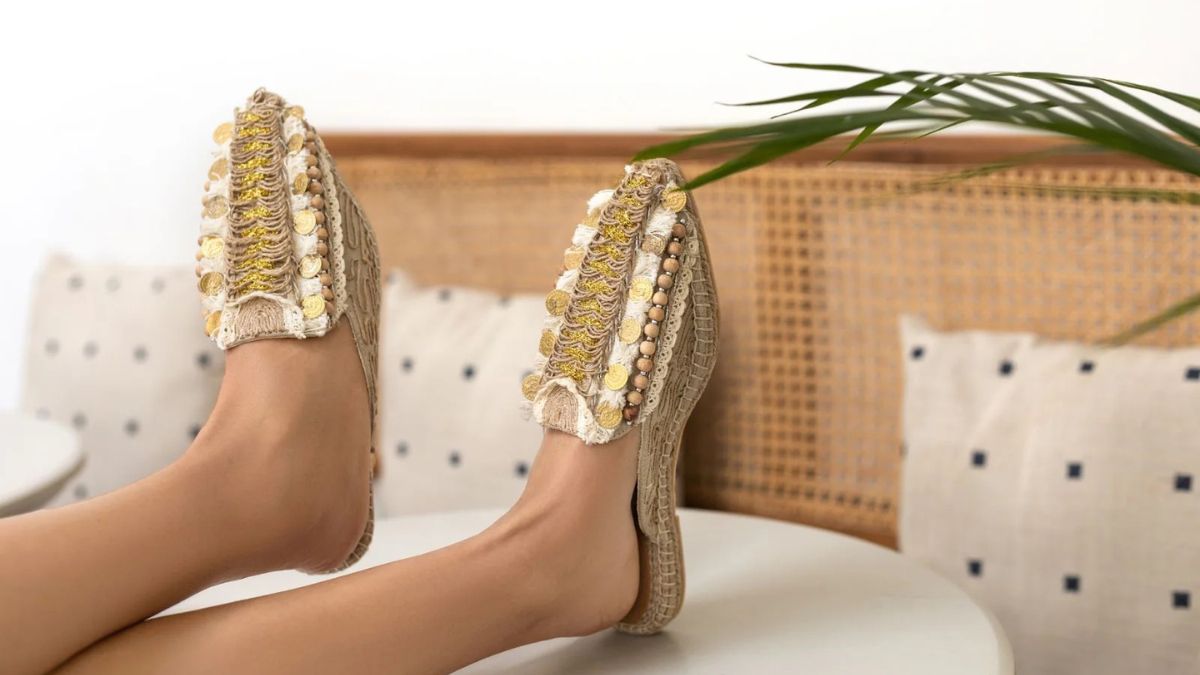
When it comes to summer footwear, few options combine comfort, elegance, and versatility quite like espadrilhas. Known for their distinctive woven soles and lightweight construction, these shoes have remained popular for generations. Whether you’re heading to the beach, exploring a city, or attending a casual outdoor event, espadrilhas offer a stylish solution that complements almost any warm-weather outfit.
Their timeless appeal comes from a perfect balance between fashion and practicality. Today, they are available in countless designs, materials, and colors, making them a staple in wardrobes around the world.
What Are Espadrilhas?
Espadrilhas are casual shoes traditionally made with canvas or cotton uppers and flexible soles crafted from braided jute rope. Originating in the Mediterranean region, they were initially worn by workers because they were lightweight, breathable, and affordable.
Today, modern versions include premium leather, suede, synthetic fabrics, and enhanced cushioning while maintaining the classic woven sole that defines the style.
Key Characteristics of Espadrilhas
- Woven jute rope sole
- Lightweight construction
- Breathable materials
- Comfortable fit
- Casual yet stylish appearance
- Ideal for spring and summer wear
Quick Overview of Espadrilhas Features
| Feature | Benefit |
|---|---|
| Jute Sole | Lightweight and flexible |
| Canvas Upper | Breathable and comfortable |
| Slip-On Design | Easy to wear |
| Versatile Styling | Matches many outfits |
| Natural Materials | Eco-friendly appeal |
| Summer-Friendly Design | Helps keep feet cool |
The History of Espadrilhas
The story of espadrilhas dates back several centuries. Historians trace their origins to Spain and southern France, where local artisans created footwear using natural materials available in the region.
The name comes from the esparto grass traditionally used to make the rope soles. Over time, these practical shoes evolved from workers’ footwear into fashion essentials embraced by designers and style enthusiasts worldwide.
How They Became a Fashion Icon
Several factors contributed to their popularity:
- Celebrity endorsements
- Luxury designer adaptations
- Comfortable everyday wear
- Sustainable material appeal
- Timeless Mediterranean aesthetic
Today, espadrilhas can be found everywhere from local boutiques to luxury fashion collections.
Types of Espadrilhas
Modern consumers can choose from a wide range of styles depending on their needs and fashion preferences.
Flat Espadrilhas
These are the most traditional style and offer maximum comfort for daily wear. They pair perfectly with shorts, dresses, and casual trousers.
Wedge Espadrilhas
Wedge versions provide additional height while maintaining comfort. They are especially popular for summer parties and outdoor events.
Platform Espadrilhas
Platforms create a bold fashion statement while offering extra support and cushioning.
Lace-Up Espadrilhas
These designs feature ribbons or straps that wrap around the ankle, creating a more sophisticated look.
Men’s Espadrilhas
Men’s styles often feature simple slip-on designs in neutral colors, making them ideal for casual and smart-casual outfits.
Comparison of Popular Styles
| Style | Best For | Comfort Level | Fashion Appeal |
|---|---|---|---|
| Flat | Everyday Wear | Excellent | High |
| Wedge | Events & Parties | Very Good | Excellent |
| Platform | Trendy Outfits | Good | Excellent |
| Lace-Up | Elegant Looks | Very Good | High |
| Men’s Slip-On | Casual Outfits | Excellent | High |
Why Espadrilhas Remain So Popular
Fashion trends come and go, yet espadrilhas continue to thrive. Their enduring popularity stems from several practical and aesthetic advantages.
Comfort
The lightweight construction reduces foot fatigue during long walks.
Breathability
Natural fabrics and woven soles allow airflow, making them ideal for hot weather.
Versatility
They can be dressed up or down depending on the occasion.
Sustainable Appeal
Many manufacturers use natural materials, making them attractive to environmentally conscious consumers.
Affordable Luxury
While premium versions exist, quality espadrilhas are often available at reasonable prices.
How to Style Espadrilhas
One of the biggest advantages of espadrilhas is their versatility. They work well with a variety of clothing styles.
For Women
Popular combinations include:
- Floral dresses
- Linen trousers
- Denim shorts
- Maxi skirts
- Summer jumpsuits
For Men
Great outfit ideas include:
- Chino shorts
- Linen shirts
- Slim-fit jeans
- Polo shirts
- Lightweight blazers
Seasonal Styling Guide
| Occasion | Recommended Outfit | Best Espadrilhas Style |
|---|---|---|
| Beach Trip | Shorts and T-shirt | Flat |
| Casual Brunch | Linen Dress | Wedge |
| Outdoor Wedding | Maxi Dress | Lace-Up Wedge |
| City Walk | Jeans and Blouse | Platform |
| Smart Casual Event | Chinos and Blazer | Men’s Slip-On |
How to Choose the Right Pair
Selecting the perfect pair requires attention to several factors.
Material Quality
Look for durable fabrics and tightly woven jute soles.
Comfort Features
Consider:
- Cushioned insoles
- Arch support
- Flexible construction
- Breathable lining
Intended Use
Think about where you’ll wear them most often.
For everyday use, flat styles may be ideal. For special occasions, wedges or lace-up designs may be a better choice.
Proper Fit
A well-fitting pair should:
- Feel secure without pinching
- Allow natural foot movement
- Prevent heel slipping
- Provide adequate toe space
Pros and Cons of Espadrilhas
Pros
- Lightweight
- Breathable
- Stylish
- Versatile
- Comfortable
- Available in many designs
- Often made from natural materials
Cons
- Not ideal for rainy weather
- Jute soles can wear out over time
- Limited support in some basic models
- May require extra care compared to sneakers
Common Mistakes People Make
Many buyers unknowingly reduce the lifespan and comfort of their footwear.
Buying the Wrong Size
A poor fit can cause discomfort and shorten shoe life.
Wearing Them in Wet Conditions
Jute soles absorb moisture and can deteriorate when repeatedly exposed to water.
Ignoring Material Quality
Cheaper versions may lose shape quickly and offer less support.
Using Them for Intensive Activities
Espadrilhas are designed for casual wear, not athletic activities.
Best Practices for Maintaining Espadrilhas
Proper care helps preserve both appearance and durability.
Keep Them Dry
Avoid puddles and heavy rain whenever possible.
Clean Gently
Use a soft brush to remove dirt and dust.
Store Correctly
Keep them in a cool, dry area away from direct sunlight.
Rotate Usage
Alternating between pairs reduces wear and extends lifespan.
Maintenance Checklist
| Maintenance Task | Recommended Frequency |
|---|---|
| Light Cleaning | Weekly |
| Deep Cleaning | Monthly |
| Shape Inspection | Monthly |
| Sole Inspection | Every Few Weeks |
| Storage Check | Seasonal |
Are Espadrilhas Worth Buying?
For most people, the answer is yes. They provide an excellent combination of comfort, style, affordability, and versatility.
Whether you’re building a summer wardrobe or simply looking for a comfortable alternative to sandals and sneakers, espadrilhas offer exceptional value. Their timeless design ensures they remain fashionable year after year.
Additionally, the variety of available styles means there is a suitable option for virtually every taste and occasion.
Conclusion
Espadrilhas have earned their reputation as one of the most practical and stylish footwear choices for warm weather. Their rich history, breathable construction, and adaptable designs make them a valuable addition to any wardrobe.
From traditional flat styles to modern wedges and platforms, these shoes continue to evolve while maintaining the features that made them popular in the first place. By choosing quality materials, selecting the right fit, and following proper care practices, you can enjoy the comfort and elegance of espadrilhas for many seasons to come.
FAQs
1. What are espadrilhas made of?
Traditional espadrilhas feature canvas uppers and braided jute rope soles, though modern versions may use leather, suede, or synthetic materials.
2. Can espadrilhas be worn for long walks?
Yes, many modern designs include cushioned insoles that make them comfortable for extended walking.
3. Are espadrilhas suitable for formal occasions?
Some wedge and lace-up styles can work well for semi-formal summer events and outdoor celebrations.
4. How do I clean espadrilhas?
Use a soft brush or damp cloth for cleaning and avoid soaking the jute sole in water.
5. Do espadrilhas stretch over time?
Depending on the material, some pairs may loosen slightly with regular wear, especially canvas styles.
/ You May Also Read /
How to Build a Return-to-Office Wardrobe Without Overspending
Why Your Shapewear Rolls Down: The Real Secret to Sizing a Body Shaper Bodysuit Comfortably
-

 Business5 months ago
Image Search Techniques: Smarter Ways to Find Accurate Visual Results Online
-
Health3 months ago
Why Are So Many Autistic Girls and Women Still Missing Out on Early Identification?
-
 Lifestyle7 months ago
Sustainable Ways to Buy and Sell Antiques
-
 Sports4 months ago
Ultimate Pragmatic Juara100.org Medal Achievement Guide for Maximum Rewards
-

 Health5 months ago
Pravi Celer: Benefits, Uses, and How to Add It to Your Daily Diet
-

 Technology4 months ago
TabooTube: What It Is, How It Works, and Whether It’s Worth Your Time
-

 Technology7 months ago
Top Features of ProgramGeeks Social You Didn’t Know About
-

 Education4 months ago
Soutaipasu Explained: Meaning, Uses, and Why It’s Gaining Attention