
Topic
Plaid Kilt vs Modern Mens Kilts Scotland: Which Style Is Worth Buying in 2026?


The Scottish kilt market in 2026 has split into two distinct categories that look similar at first glance but represent fundamentally different garments. On one side, you have the traditional plaid kilt — the great kilt or féileadh mòr style, the original Scottish garment from which all modern kilts evolved. On the other side, you have the broader category of modern men’s kilts produced today by Scotland’s contemporary kilt makers — five-yard kilts, eight-yard kilts, modern variations, and everything else.
Both are legitimately Scottish. Both are sold by reputable Scottish makers. Both can be appropriate for traditional events. But they’re not interchangeable, and most modern buyers don’t realize the choice they’re making when they pick one over the other.
This is the buyer’s guide most product pages don’t write. Here’s the honest 2026 comparison between the traditional plaid kilt and the modern men’s kilts Scotland is producing — and which one is worth your investment.
What Each Kilt Actually Is
The terminology gets confusing because “plaid” has multiple meanings in Scottish context. Clearing it up first:
The plaid kilt (great kilt / féileadh mòr):
The original Scottish kilt from the 16th and 17th centuries. A single long piece of tartan cloth — typically 9 to 12 yards long — that wore as a complete clothing system. The bottom portion was pleated and belted at the waist (like a modern kilt), while the upper portion was thrown over the left shoulder for warmth, weather protection, or modesty. The garment served simultaneously as kilt, cloak, blanket, and sleeping cover.

The plaid kilt is the kilt of Highland warriors, farmers, and chieftains before the modern shorter kilt evolved. It’s still made today in fully traditional construction for ceremonial wear, historical reenactment, and traditionalist buyers.
Modern mens kilts (the contemporary Scotland-made standard):
The shorter, structured kilt that emerged from the féileadh mòr in the late 17th to 18th centuries. The garment was shortened by separating the upper drape (now worn separately as a “plaid” or sash) from the bottom kilt portion. The result is the modern kilt — pleated wool wrapped around the waist with buckle closures, ending at the mid-knee.
This is the kilt category that includes 5-yard kilts, 8-yard kilts, dress kilts, casual kilts, and most of what’s sold in the Scottish kilt market today.
The Visual Difference
The two kilts look fundamentally different when worn.
Plaid kilt appearance:
- Substantial volume — both around the waist and draped over the shoulder
- Continuous fabric from floor to shoulder
- The wearer appears to be wrapped in fabric rather than wearing a garment
- Heavy presence in any room
- Heritage-deep visual impact
Modern men’s kilt appearance:
- Cleaner silhouette ending at mid-knee
- Defined waistband with separate upper-body clothing (jacket, shirt)
- The wearer appears to be in formal Highland dress
- Refined presence
- Modern Scottish formal impact
The plaid kilt is dramatically more visually striking. The modern kilt is dramatically more practical. Both are correctly Scottish.
Where Each Kilt Belongs
The use cases are genuinely different.
Plaid kilt works at:
- Historical reenactment events
- Ceremonial occasions emphasizing maximum tradition
- Some Highland weddings (especially as the groom in a fully traditional ceremony)
- Pipe band performances at certain regimental traditions
- Cultural festivals featuring historical dress
- Photography sessions emphasizing heritage and drama
Plaid kilt less appropriate for:
- Modern formal events (overdramatic for contemporary settings)
- Daily kilt-wear contexts
- Hot weather (the additional fabric volume is genuinely warm)
- Pipe band performances at competitions (uniform requirements differ)
Modern men’s kilt works at:
- All formal Scottish events (weddings, Burns Nights, funerals)
- Highland Games (most competitive and casual portions)
- Cultural festivals
- Pipe band performances
- Burns Night dinners and Saint Andrew’s Day events
- Daily kilt-wear contexts (5-yard versions especially)
- Photography sessions at ordinary formal occasions
Modern men’s kilt less appropriate for:
- Historical reenactment events expecting full traditional dress
- Maximum-drama ceremonial contexts where the plaid kilt would be more impactful
The honest summary: modern kilts cover 95% of contemporary kilt-wearing occasions. The plaid kilt covers a specific 5% where maximum tradition matters more than practical wearability.
Price Reality
Honest pricing in 2026:
Plaid kilt (great kilt):
- Entry-level: $300-$450 (for a basic but acceptable wool great kilt)
- Mid-range: $450-$700 (proper wool, traditional construction)
- Premium: $700-$1,200+ (heritage construction, hand-finished)
Modern 5-yard kilt:
- Entry-level: $200-$280
- Mid-range: $280-$400
- Premium: $400-$550
Modern 8-yard kilt:
- Entry-level: $300-$420
- Mid-range: $420-$600
- Premium: $600-$900
The plaid kilt is genuinely more expensive at equivalent quality tiers because it uses substantially more fabric (9-12 yards vs. 5-8 yards) and requires different construction expertise.
For most buyers, the modern 5-yard or 8-yard kilt delivers vastly better value per dollar spent because it covers far more occasions. The plaid kilt is a specialty purchase justified only by specific use cases.
Construction and Quality Standards
Both kilt categories should meet the same quality standards regardless of style.
Required for either:
- Pure wool fabric (not blends marketed as wool)
- Specified wool weight (13oz mid-range standard, 16oz heavyweight, 11oz lightweight)
- Recognized Scottish mill (Lochcarron, House of Edgar, Strathmore, Marton Mills)
- Hand-finished where construction matters most
- Sized to specific body measurements
Specific to plaid kilt:
- Single continuous length of fabric (no joins)
- Proper pleating along the length
- Quality belt and buckle for waist closure
- Unhemmed edge at the bottom (traditional)
- Sometimes fringed edges at the upper drape end
Specific to modern kilt:
- Hand-stitched pleats hanging freely
- Proper waistband construction with reinforcement
- Quality leather buckle straps (2 for 5-yard, 3 for 8-yard)
- Reinforced waistband interior
- Length to mid-kneecap precisely
Avoid for either:
- Polyester or PV blends marketed as wool
- One-size-fits-most sizing
- Pre-made constructions without sizing flexibility
How to Wear Each Style
The wearing process is dramatically different.
Plaid kilt wearing process:
- Lay the entire fabric flat on the ground
- Pleat the lower section by hand to your specific waist size
- Lie down on the pleated section
- Wrap the lower portion around your waist
- Secure with a wide leather belt
- Stand up
- Drape the upper portion over the left shoulder
- Pin or arrange the drape as desired
This process takes 15-30 minutes with practice and is genuinely difficult the first few times.
Modern men’s kilt wearing process:
- Put on kilt hose first
- Wrap the kilt around the waist (apron front, pleats back)
- Buckle the under-strap, then outer straps
- Add belt, sporran, and other accessories
- Total time: 5-10 minutes once familiar
The modern kilt is dramatically easier to wear. The plaid kilt is genuinely a skill that requires learning.
Climate and Comfort
The fabric volume difference creates real climate and comfort implications.
Plaid kilt comfort:
- Excellent in cold weather (additional fabric provides warmth)
- Genuinely uncomfortable above 65°F (heavy fabric retains heat)
- Restricts arm movement when fabric is draped over shoulder
- The full fabric weight (5-7 pounds) is felt throughout wear
- Best for outdoor cool-weather events
Modern men’s kilt comfort:
- Manageable across more weather conditions
- 5-yard handles up to 80°F reasonably; 8-yard above 75°F gets warm
- No upper-body fabric restriction
- Total weight (3-5 pounds) noticeable but not fatiguing
- Suitable for most temperature ranges
For year-round and varied-climate use, the modern kilt is dramatically more practical.
Which Is the Smarter Buy?
Buy the plaid kilt (great kilt) if:
- You participate in historical reenactment regularly
- You want the maximum traditional Scottish garment
- You attend specific ceremonial events expecting full traditional dress
- You’re a serious heritage participant willing to invest in specialty wear
- You want a kilt that doubles as a sleeping cloak for camping or extreme situations
- You appreciate the dramatic visual impact above all else
Buy a modern men’s kilt (5-yard or 8-yard) if:
- This is your first or only kilt
- You attend traditional Scottish events 5+ times per year
- You want maximum versatility across formal contexts
- You want a kilt that’s manageable for daily wearing skill
- Budget is a consideration
- You want a kilt that works in varied climates
Buy both eventually if you’re a serious heritage participant who wants both maximum tradition for specific events and practical kilt-wear for everyday traditional contexts.
For 95% of mens kilts Scotland buyers, the modern 5-yard or 8-yard kilt is the smarter purchase. The plaid kilt is a specialty piece that earns its place in the wardrobe of dedicated heritage participants but isn’t the right first kilt for most buyers.
Frequently Asked Questions
Is the plaid kilt actually older than the modern kilt?
Yes. The plaid kilt (great kilt) predates the modern kilt by over a century.
Can I wear a plaid kilt at a modern Scottish wedding?
Sometimes. If the event is explicitly traditional or you’re the groom making a heritage statement, yes. Otherwise, the modern kilt is more appropriate.
How long does it take to learn to wear a plaid kilt properly?
Most people get the basic process within 3-5 attempts. Achieving truly elegant wear takes 15-20 wearings.
Can I wear regular Highland accessories with a plaid kilt?
Some. The sporran, belt, and ghillie brogues work. The traditional formal jacket usually doesn’t.
Are plaid kilts machine-washable?
No. Like all wool kilts, they require dry-cleaning only.
Will plaid kilts ever come back into mainstream fashion?
Unlikely. The garment is genuinely specialized for historical and ceremonial use.
The plaid kilt is the more historically authentic Scottish garment, but the modern men’s kilt is the more practical purchase for almost every 2026 buyer. Choose the modern kilt if you want maximum versatility across the events most kilt-wearers attend. Choose the plaid kilt only if you have specific historical or ceremonial use cases that justify the specialty wear. For most buyers, the modern men’s kilts Scotland produces today are the smart investment — and the plaid kilt remains a specialty piece earned through deeper heritage involvement.
You May Also Read: Why On Cloud is Setting a New Trend?
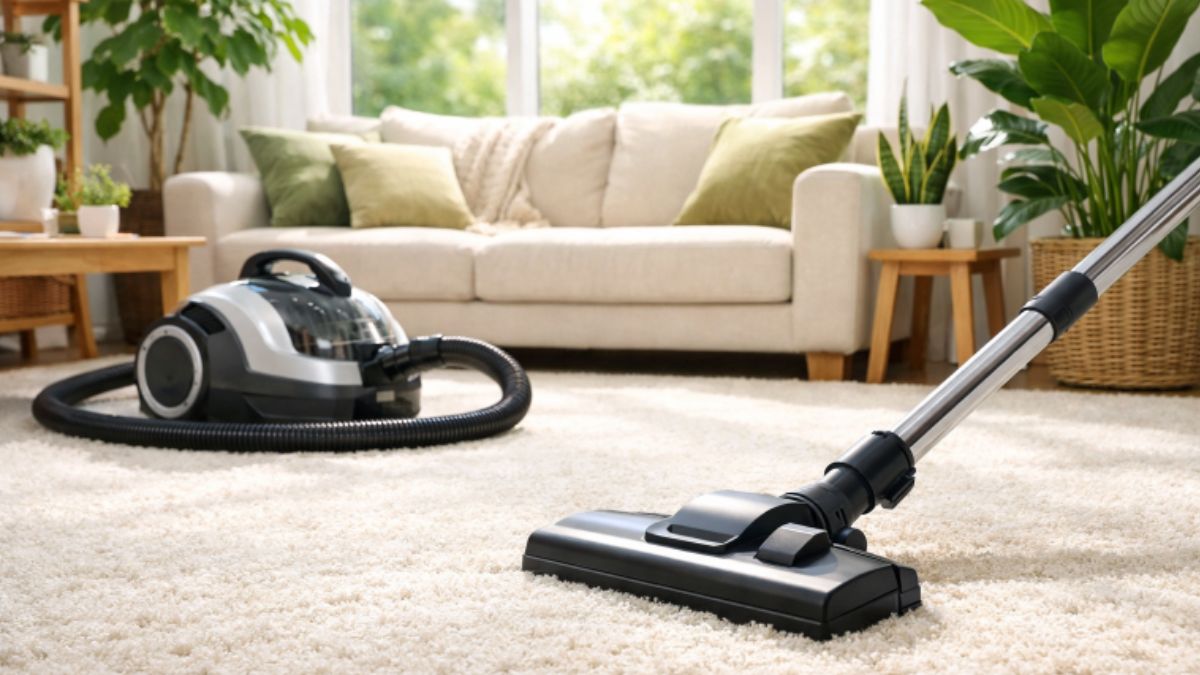
Maintaining clean carpets is essential for a healthy home environment. However, traditional cleaning methods often involve harsh chemicals that can harm both your family and the planet. Embracing eco-friendly carpet care not only preserves your carpets but also promotes a safer living space. For those seeking a sustainable solution, exploring services from premium carpet care Lincoln NE, can be the first step toward greener home maintenance.
Chemical-laden cleaners can leave behind residues, impact air quality, and contribute to long-term environmental damage. By switching to greener methods, you safeguard your loved ones from unnecessary exposure and do your part in protecting the planet’s resources.
Regular Vacuuming: The First Line of Defense
Frequent vacuuming is crucial in preventing dirt and allergens from embedding into carpet fibers. Using a vacuum equipped with a HEPA filter ensures that even the smallest particles are captured, improving indoor air quality. Aim to vacuum high-traffic areas at least twice a week to maintain cleanliness and extend your carpet’s lifespan. Routine vacuuming can drastically reduce allergens such as pet dander and dust mites, creating a healthier living space, according to the CDC.
For those with allergies or asthma, maintaining regular vacuuming schedules is particularly important. The use of HEPA filters can make a significant difference for sensitive individuals, as they trap fine dust and dander that otherwise exacerbate symptoms. Remember to change or clean vacuum filters regularly for optimal performance and improved efficiency. If you have pets, you may need to vacuum even more frequently, especially during shedding seasons, to control fur accumulation and reduce allergens in your carpeting.
Vacuuming slowly and methodically, overlapping your strokes, helps remove deeper dirt and extends the effectiveness of each session. Investing in a quality vacuum pays off in the long term, both in cleanliness and in maintaining carpet quality.
Immediate Spill Management
Addressing spills promptly can prevent them from becoming stubborn stains. Blot the spill gently with a clean cloth, working from the outside toward the center to avoid spreading. Avoid aggressive scrubbing, which can damage fibers. For tougher stains, using a gentle approach with mild, eco-friendly solutions keeps carpet fibers intact and limits the formation of harmful residue. For additional guidance on removing specific stain types, consult expert-backed stain-removal techniques.
It’s important to test any cleaning solution, even eco-friendly ones, on a small, inconspicuous area first to ensure compatibility with your carpet material. This precaution helps prevent accidental discoloration or fiber damage. In addition, for oily or waxy spills, carefully harden the residue with ice and gently scrape it away before blotting and cleaning with your chosen solution.
Having a dedicated cleanup kit handy, complete with clean rags, a spray bottle of diluted vinegar, and baking soda, ensures you can respond rapidly to any spills that might occur day or night. Quick action will always yield the best results in protecting your carpets from long-term blemishes.
Natural Cleaning Solutions
Utilizing household items like baking soda and vinegar offers an eco-friendly approach to carpet cleaning. Baking soda is excellent for neutralizing odors; simply sprinkle it over the carpet, let it sit for 15 to 30 minutes, and then vacuum thoroughly. Diluted vinegar can effectively remove various stains without leaving harmful residues. Natural solutions reduce the risk of exposing family members and pets to toxic chemicals and help keep your carpet fresher and safer over time.
Another sustainable option is to mix salt, borax, and white vinegar to create a mild paste for spot cleaning. Apply this paste gently to problem areas, let it sit for a short period, then wipe clean with a damp cloth. Essential oils such as tea tree or lavender can also be added to homemade solutions to enhance the scent and provide additional antimicrobial properties. Using natural cleaning agents supports a zero-waste lifestyle, too. Many commercial bottles and containers add to plastic waste, but DIY cleaners can often be stored in reusable spray bottles or glass jars, making your efforts eco-conscious in more ways than one.
Professional Eco-Friendly Cleaning Methods
When a deeper clean is necessary, consider professional services that use green technology. Techniques such as encapsulation cleaning involve applying a biodegradable solution that envelops dirt, which is then easily vacuumed away. This method uses minimal water and leaves no sticky residue, making it an environmentally responsible choice. Steam cleaning with non-toxic detergents is another option that penetrates carpet fibers deeply for thorough soil removal.
Many reputable cleaning companies are now adopting low-water, low-energy methods, which are not only gentler on the environment but also help your carpet dry faster, reducing the risk of mold growth and minimizing disruption in your home. Ask potential providers about their green credentials and whether they use hypoallergenic or plant-based cleaning solutions.
In addition to cleaning, some services offer protective, eco-friendly treatments that help repel future stains and keep your carpet looking its best for longer periods. These can be beneficial in homes with young children or pets, adding an extra layer of defense to your maintenance routine.
Preventive Measures
Implementing preventive strategies can significantly reduce the need for frequent deep cleaning and wear on your carpets:
- Remove Shoes Indoors: Shoes can track in dirt, oils, and bacteria. Establishing a no-shoes policy helps keep carpets cleaner and healthier.
- Use Entry Mats: Placing mats at all entrances captures dirt before it reaches your carpets. Choose washable mats made from recycled materials for an added eco-friendly benefit.
- Rotate Furniture: Periodically moving furniture helps prevent uneven wear and indentations, keeping your carpets looking better for longer.
- Pet Care Routines: Regularly groom pets and keep their paws clean to minimize the amount of dirt and dander they bring inside, which can accumulate in carpets and affect indoor air quality.
- Mindful Food and Drink Placement: Restrict eating or drinking to specific carpet-free zones in your home to reduce the risk of accidental spills and stubborn stains.
Fostering these mindful habits not only extends the beauty and life of your carpets but also supports a cleaner home environment by reducing the frequency of deep, labor-intensive cleaning.
Choosing Eco-Friendly Products
When selecting carpet cleaning solutions, look for trusted certifications such as EPA Safer Choice or Green Seal, which indicate that the products have undergone rigorous environmental and safety evaluations. These third-party labels ensure the cleaning agents work without introducing VOCs (volatile organic compounds), phthalates, or other hazardous substances into your home.
Supporting companies that are transparent about their ingredients and actively work to reduce their environmental footprint also encourages more manufacturers to pursue sustainable innovation. Reading labels carefully and doing a bit of research before purchasing can help you find effective, safe options that align with your green values. If you prefer to go the extra mile, consider supporting local businesses or cooperatives that produce small-batch, organic cleaning products.
Maintaining Proper Humidity Levels
Excess moisture creates a breeding ground for mold and mildew, making humidity control vital for carpet care. Keeping indoor humidity between 30 percent and 50 percent helps prevent these issues. Use dehumidifiers in damp areas and ensure rooms with carpeting are well-ventilated to keep moisture at bay and improve air quality.
Regularly checking for leaks, especially around windows, plumbing fixtures, and in basements, can prevent moisture from seeping into carpets undetected. Using exhaust fans in bathrooms and kitchens during and after activities that generate steam further helps maintain optimal indoor air quality, keeping your family and your carpets in good condition.
Conclusion
Adopting eco-friendly carpet care practices contributes to a healthier home and a cleaner environment. Regular maintenance, immediate spill response, natural cleaning solutions, and preventive measures all play a critical role in preserving your carpets’ appearance and promoting your family’s well-being. Ongoing attention to sustainable cleaning techniques ensures that your living spaces remain clean, comfortable, and conscience-friendly for years to come.
By making small, consistent changes to your carpet care routine, you can reduce environmental impact and create a safer, fresher home. Wellness and cleanliness go hand in hand when you opt for gentle, earth-conscious methods and products. As more homeowners embrace sustainable habits, the collective impact helps build a brighter, greener future for everyone, one clean carpet at a time.
You May Also Read : What Is AHGRL? Complete Guide, Features, Uses, Benefits, and Best Practices

The pet care industry is witnessing rapid growth as pet owners increasingly seek high-quality products that promote the health, hygiene, and well-being of their furry companions. This evolving demand has encouraged pet care products manufacturers in India to embrace innovation in product development, manufacturing processes, and packaging solutions. By leveraging advanced technologies and consumer insights, manufacturers are creating safer, more effective, and sustainable pet care products.
Rising Demand for Advanced Pet Care Solutions
Today’s pet owners expect more than basic grooming products. They are looking for solutions that address specific concerns such as sensitive skin, coat nourishment, odor control, paw protection, and overall pet wellness. Manufacturers are investing in research and development to create scientifically formulated products that deliver targeted benefits while ensuring maximum safety.
Natural and Skin-Friendly Formulations
Innovation has led to the growing use of natural, plant-based, and non-toxic ingredients in pet care products. Herbal extracts, essential oils, botanical ingredients, and gentle cleansing agents are replacing harsh chemicals in many formulations.
Leading pet care products manufacturers in India focus on developing products that are suitable for regular use while minimizing the risk of skin irritation or allergic reactions in pets.
Smart Manufacturing Technologies
Modern manufacturing facilities are equipped with automated production systems, precision mixing equipment, and advanced quality monitoring technologies. These innovations improve consistency, reduce production errors, and ensure every batch meets strict quality standards.
Automation also enhances manufacturing efficiency, enabling businesses to meet increasing market demand without compromising product quality.
Customized Product Development
Innovation has made private label and custom formulation services more accessible than ever. Manufacturers now work closely with brands to develop unique pet care products tailored to specific market segments, customer preferences, and business objectives.
From customized fragrances and ingredient combinations to specialized packaging designs, businesses can create distinctive product lines that strengthen their market presence.
Sustainable Manufacturing Practices
Sustainability has become an essential part of modern manufacturing. Companies are adopting environmentally responsible production methods that reduce waste, conserve resources, and improve energy efficiency.
Many manufacturers are also introducing recyclable and eco-friendly packaging solutions to meet the growing consumer demand for sustainable products while reducing their environmental impact.
Stringent Quality Control
Innovation extends beyond product development to quality assurance. Every stage of production involves comprehensive testing, including raw material verification, microbial analysis, stability testing, and finished product inspections.
Reliable pet care products manufacturers in India follow strict manufacturing standards to ensure products are safe, effective, and compliant with industry regulations before they reach consumers.
Why Choose Kamicka Organics?
Kamicka Organics is committed to delivering innovative pet care manufacturing solutions that combine quality, safety, and sustainability. With expertise in research-driven product development, premium ingredient sourcing, advanced manufacturing technologies, and stringent quality control, Kamicka Organics supports businesses in creating high-performance pet care products. Whether you require private label manufacturing or customized formulations, the company provides end-to-end solutions designed to meet evolving market demands.
Conclusion
Innovation is reshaping the future of the pet care industry by introducing safer formulations, advanced manufacturing technologies, sustainable practices, and customized product development. As consumer expectations continue to evolve, pet care products manufacturers in India play a crucial role in helping brands deliver premium products that enhance pet health and well-being.
Partnering with an experienced manufacturer like Kamicka Organics allows businesses to stay ahead of industry trends while offering innovative, reliable, and high-quality pet care products that build customer trust and long-term success.
You May Also Read : Turaska Explained: Meaning, Uses, Benefits, and Practical Strategies

Lincoln Park, situated on Chicago’s North Side along the scenic Lake Michigan shoreline, seamlessly blends historic charm with contemporary amenities. This neighborhood is celebrated for its tree-lined streets, diverse housing options, and vibrant cultural scene, making it a top choice for today’s homebuyers. For those interested in exploring available properties, the Spradling | Roberts Team offers a curated selection of Lincoln Park homes for sale. With their deep understanding of the area and commitment to client satisfaction, they serve as a valuable resource for prospective buyers.
Rich Architectural Heritage
Walking through Lincoln Park reveals a captivating architectural diversity. The neighborhood showcases classic brownstones, Victorian greystones, and sleek modern condos, catering to a variety of aesthetic preferences. This harmonious mix preserves the area’s historical essence while providing ample choices for potential homeowners.
This architectural richness contributes to the character and desirability of Lincoln Park. Many of the historic homes have been lovingly restored, featuring ornate facades, intricate moldings, and preserved hardwood flooring, which speak to the craftsmanship of bygone eras. Meanwhile, newer developments have brought sustainable, eco-friendly features without overshadowing the historic identity of the community. The charm of a picturesque Victorian row house can be found just steps away from striking contemporary residences with glass-fronted balconies offering modern comforts to those seeking a luxurious urban lifestyle.
Abundant Green Spaces
At the heart of the neighborhood lies the expansive Lincoln Park, spanning over 1,200 acres. This urban oasis features the renowned Lincoln Park Zoo, the Chicago History Museum, and numerous recreational facilities. Residents enjoy easy access to nature trails, beaches, and picnic spots, fostering a strong sense of community and well-being.
Lincoln Park’s namesake park is more than just green space; it serves as a hub for community life and outdoor recreation throughout all four seasons. The park’s well-maintained gardens, notably the Lincoln Park Conservatory and Alfred Caldwell Lily Pool, offer serene escapes near the city’s bustling core. Families often gather for outdoor concerts, while fitness enthusiasts run and cycle along the lakeside trails. In the summer, the beaches fill with sunseekers, while athletic fields and tennis courts remain active throughout the year. This wealth of green space is a defining aspect of the neighborhood, encouraging a healthier, more engaged lifestyle.
Educational Excellence
For families prioritizing education, Lincoln Park boasts access to top-rated schools and esteemed institutions like DePaul University. The presence of such educational facilities enhances the neighborhood’s appeal, offering quality learning opportunities from primary to tertiary levels.
Parents are drawn to Lincoln Park for its proximity to many of Chicago’s premier public and private schools, ranging from elementary through high school. Esteemed elementary schools such as Lincoln Elementary and LaSalle Language Academy regularly receive accolades for academic achievement. High school students benefit from Lincoln Park High School’s International Baccalaureate (IB) program, while private institutions cater to specialized educational philosophies. For those pursuing higher education, DePaul University stands as one of the city’s most prominent universities, integrating cultural, artistic, and community resources into student life and the broader neighborhood.
Diverse Dining and Shopping Experiences
Food enthusiasts and shoppers will find Lincoln Park a haven. The area is dotted with a mix of independent boutiques, high-end retailers, and a dining scene that ranges from cozy cafes to Michelin-starred restaurants. This vibrant commercial landscape ensures that residents have a plethora of options right at their doorstep.
Lincoln Park’s culinary landscape features everything from classic Chicago deep-dish pizza parlors to innovative farm-to-table eateries. Local favorites may include artisan coffee shops, lively brunch spots, or globally-inspired bistros. On summer evenings, outdoor patios fill with laughter and the smell of freshly cooked dishes. Shopping enthusiasts can browse designer shops, chic boutiques along Armitage Avenue, and popular national brands clustered on North Avenue and Halsted Street. Whether searching for the latest fashion trends or unique, hand-crafted finds, residents enjoy a convenient and engaging retail experience.
Convenient Transportation
Connectivity is a significant advantage of living in Lincoln Park. With multiple CTA train lines and bus routes, commuting to downtown Chicago and other parts of the city is seamless. This accessibility adds to the neighborhood’s allure for professionals and students alike.
The Red, Brown, and Purple ‘L’ lines all have stops throughout Lincoln Park, placing much of Chicago within quick reach. Bikers and walkers appreciate the neighborhood’s pedestrian-friendly streets and access to the 18-mile Lakefront Trail. For those who drive, Lake Shore Drive and Interstate 90/94 offer easy routes in and out of the city. Lincoln Park’s strategic location ensures that residents can easily attend cultural events downtown, access business districts, or escape for a weekend getaway beyond the city’s borders.
Real Estate Market Insights
The real estate landscape in Lincoln Park is dynamic. As of June 2026, the average apartment rent in the area is $1,695 for a studio, $2,610 for a one-bedroom, $4,002 for a two-bedroom, and $4,832 for a three-bedroom unit. This reflects an 8.3% increase over the past year, indicating a robust and growing market.
Along with rising rental prices, Lincoln Park’s home values and sales volume continue to reflect strong demand. Buyers are attracted by the wide selection, ranging from historic single-family homes to luxury high-rise condominiums with skyline views. As inventory shifts seasonally, buyers and sellers alike rely on expertise from seasoned real estate professionals to navigate the competitive market. New construction projects have also contributed to the area’s growth, providing additional options for those seeking state-of-the-art amenities. With its consistent demand, Lincoln Park is considered not just a great neighborhood to live in, but also a wise long-term investment.
Community and Lifestyle
Beyond its physical attributes, Lincoln Park is known for its vibrant community spirit. Regular farmers’ markets, art festivals, and community events foster a sense of belonging among residents. The neighborhood’s blend of urban energy and residential tranquility makes it a desirable place to call home.
Throughout the year, Lincoln Park residents participate in numerous community-led gatherings, from neighborhood clean-up days to live music performances in parks and plazas. The Green City Market draws foodies and families alike to sample local produce and artisanal goods. Annual events such as the Lincoln Park Wine Festival, art fairs, and outdoor movie nights encourage neighbors to connect and celebrate their shared home. Beyond official events, the friendliness and openness of residents nurture an inclusive and engaged environment, where people feel comfortable forging friendships and building lasting roots.
In conclusion, Lincoln Park embodies the best of Chicago living. Its rich history, modern amenities, and strong community make it an ideal destination for modern homebuyers seeking a balanced and fulfilling urban lifestyle.
You May Also Read : Turaska Explained: Meaning, Uses, Benefits, and Practical Strategies
-

 Business3 months ago
Image Search Techniques: Smarter Ways to Find Accurate Visual Results Online
-

 Health3 months ago
Pravi Celer: Benefits, Uses, and How to Add It to Your Daily Diet
-

 Business3 months ago
Understanding the Idaho Policy Institute Formal Eviction Rate 2020 Shoshone County: Housing Stability Insights
-

 Technology2 months ago
Messagenal Explained: Features, Benefits, and How to Use It Effectively
-

 Sports2 months ago
AC Milan vs SSC Bari Timeline: Complete History, Key Matches, and Rivalry Moments
-

 Technology5 months ago
Top Features of ProgramGeeks Social You Didn’t Know About
-

 Business3 months ago
Unlocking Business Potential: How Pedrovazpaulo Operations Consulting Transforms Organizations
-

 Technology2 months ago
TabooTube: What It Is, How It Works, and Whether It’s Worth Your Time