
Topic
Eco-Friendly Carpet Care: Safer Cleaning for a Healthier Home

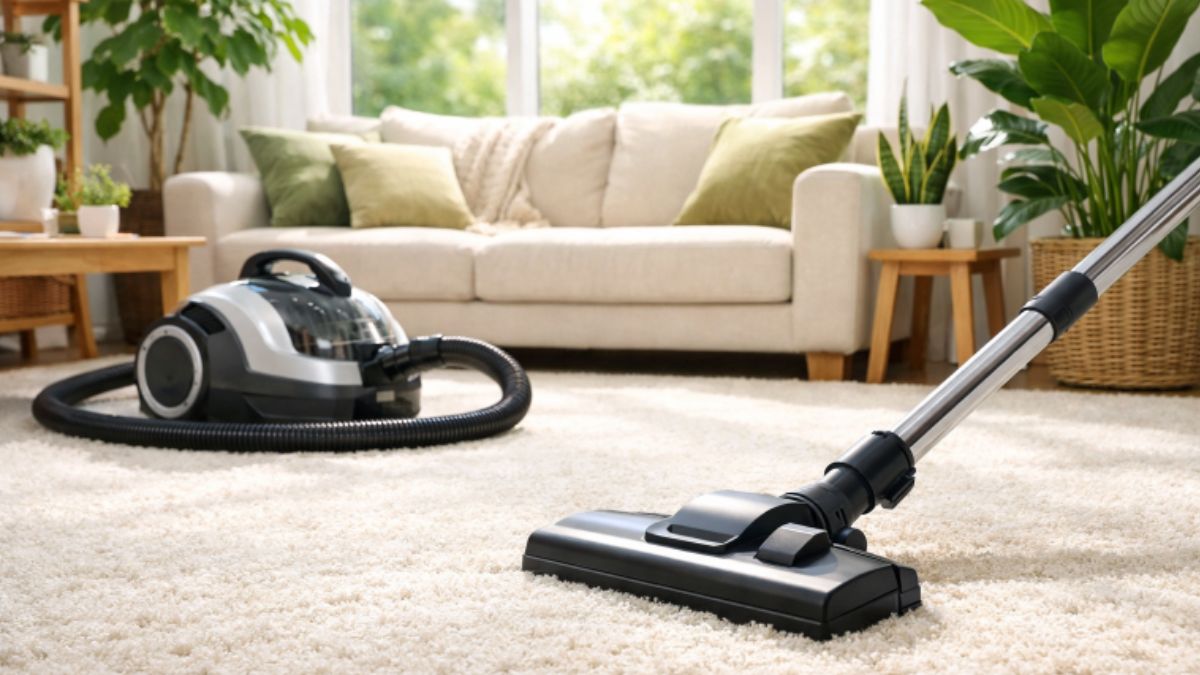
Maintaining clean carpets is essential for a healthy home environment. However, traditional cleaning methods often involve harsh chemicals that can harm both your family and the planet. Embracing eco-friendly carpet care not only preserves your carpets but also promotes a safer living space. For those seeking a sustainable solution, exploring services from premium carpet care Lincoln NE, can be the first step toward greener home maintenance.
Chemical-laden cleaners can leave behind residues, impact air quality, and contribute to long-term environmental damage. By switching to greener methods, you safeguard your loved ones from unnecessary exposure and do your part in protecting the planet’s resources.
Regular Vacuuming: The First Line of Defense
Frequent vacuuming is crucial in preventing dirt and allergens from embedding into carpet fibers. Using a vacuum equipped with a HEPA filter ensures that even the smallest particles are captured, improving indoor air quality. Aim to vacuum high-traffic areas at least twice a week to maintain cleanliness and extend your carpet’s lifespan. Routine vacuuming can drastically reduce allergens such as pet dander and dust mites, creating a healthier living space, according to the CDC.
For those with allergies or asthma, maintaining regular vacuuming schedules is particularly important. The use of HEPA filters can make a significant difference for sensitive individuals, as they trap fine dust and dander that otherwise exacerbate symptoms. Remember to change or clean vacuum filters regularly for optimal performance and improved efficiency. If you have pets, you may need to vacuum even more frequently, especially during shedding seasons, to control fur accumulation and reduce allergens in your carpeting.
Vacuuming slowly and methodically, overlapping your strokes, helps remove deeper dirt and extends the effectiveness of each session. Investing in a quality vacuum pays off in the long term, both in cleanliness and in maintaining carpet quality.
Immediate Spill Management
Addressing spills promptly can prevent them from becoming stubborn stains. Blot the spill gently with a clean cloth, working from the outside toward the center to avoid spreading. Avoid aggressive scrubbing, which can damage fibers. For tougher stains, using a gentle approach with mild, eco-friendly solutions keeps carpet fibers intact and limits the formation of harmful residue. For additional guidance on removing specific stain types, consult expert-backed stain-removal techniques.
It’s important to test any cleaning solution, even eco-friendly ones, on a small, inconspicuous area first to ensure compatibility with your carpet material. This precaution helps prevent accidental discoloration or fiber damage. In addition, for oily or waxy spills, carefully harden the residue with ice and gently scrape it away before blotting and cleaning with your chosen solution.
Having a dedicated cleanup kit handy, complete with clean rags, a spray bottle of diluted vinegar, and baking soda, ensures you can respond rapidly to any spills that might occur day or night. Quick action will always yield the best results in protecting your carpets from long-term blemishes.
Natural Cleaning Solutions
Utilizing household items like baking soda and vinegar offers an eco-friendly approach to carpet cleaning. Baking soda is excellent for neutralizing odors; simply sprinkle it over the carpet, let it sit for 15 to 30 minutes, and then vacuum thoroughly. Diluted vinegar can effectively remove various stains without leaving harmful residues. Natural solutions reduce the risk of exposing family members and pets to toxic chemicals and help keep your carpet fresher and safer over time.
Another sustainable option is to mix salt, borax, and white vinegar to create a mild paste for spot cleaning. Apply this paste gently to problem areas, let it sit for a short period, then wipe clean with a damp cloth. Essential oils such as tea tree or lavender can also be added to homemade solutions to enhance the scent and provide additional antimicrobial properties. Using natural cleaning agents supports a zero-waste lifestyle, too. Many commercial bottles and containers add to plastic waste, but DIY cleaners can often be stored in reusable spray bottles or glass jars, making your efforts eco-conscious in more ways than one.
Professional Eco-Friendly Cleaning Methods
When a deeper clean is necessary, consider professional services that use green technology. Techniques such as encapsulation cleaning involve applying a biodegradable solution that envelops dirt, which is then easily vacuumed away. This method uses minimal water and leaves no sticky residue, making it an environmentally responsible choice. Steam cleaning with non-toxic detergents is another option that penetrates carpet fibers deeply for thorough soil removal.
Many reputable cleaning companies are now adopting low-water, low-energy methods, which are not only gentler on the environment but also help your carpet dry faster, reducing the risk of mold growth and minimizing disruption in your home. Ask potential providers about their green credentials and whether they use hypoallergenic or plant-based cleaning solutions.
In addition to cleaning, some services offer protective, eco-friendly treatments that help repel future stains and keep your carpet looking its best for longer periods. These can be beneficial in homes with young children or pets, adding an extra layer of defense to your maintenance routine.
Preventive Measures
Implementing preventive strategies can significantly reduce the need for frequent deep cleaning and wear on your carpets:
- Remove Shoes Indoors: Shoes can track in dirt, oils, and bacteria. Establishing a no-shoes policy helps keep carpets cleaner and healthier.
- Use Entry Mats: Placing mats at all entrances captures dirt before it reaches your carpets. Choose washable mats made from recycled materials for an added eco-friendly benefit.
- Rotate Furniture: Periodically moving furniture helps prevent uneven wear and indentations, keeping your carpets looking better for longer.
- Pet Care Routines: Regularly groom pets and keep their paws clean to minimize the amount of dirt and dander they bring inside, which can accumulate in carpets and affect indoor air quality.
- Mindful Food and Drink Placement: Restrict eating or drinking to specific carpet-free zones in your home to reduce the risk of accidental spills and stubborn stains.
Fostering these mindful habits not only extends the beauty and life of your carpets but also supports a cleaner home environment by reducing the frequency of deep, labor-intensive cleaning.
Choosing Eco-Friendly Products
When selecting carpet cleaning solutions, look for trusted certifications such as EPA Safer Choice or Green Seal, which indicate that the products have undergone rigorous environmental and safety evaluations. These third-party labels ensure the cleaning agents work without introducing VOCs (volatile organic compounds), phthalates, or other hazardous substances into your home.
Supporting companies that are transparent about their ingredients and actively work to reduce their environmental footprint also encourages more manufacturers to pursue sustainable innovation. Reading labels carefully and doing a bit of research before purchasing can help you find effective, safe options that align with your green values. If you prefer to go the extra mile, consider supporting local businesses or cooperatives that produce small-batch, organic cleaning products.
Maintaining Proper Humidity Levels
Excess moisture creates a breeding ground for mold and mildew, making humidity control vital for carpet care. Keeping indoor humidity between 30 percent and 50 percent helps prevent these issues. Use dehumidifiers in damp areas and ensure rooms with carpeting are well-ventilated to keep moisture at bay and improve air quality.
Regularly checking for leaks, especially around windows, plumbing fixtures, and in basements, can prevent moisture from seeping into carpets undetected. Using exhaust fans in bathrooms and kitchens during and after activities that generate steam further helps maintain optimal indoor air quality, keeping your family and your carpets in good condition.
Conclusion
Adopting eco-friendly carpet care practices contributes to a healthier home and a cleaner environment. Regular maintenance, immediate spill response, natural cleaning solutions, and preventive measures all play a critical role in preserving your carpets’ appearance and promoting your family’s well-being. Ongoing attention to sustainable cleaning techniques ensures that your living spaces remain clean, comfortable, and conscience-friendly for years to come.
By making small, consistent changes to your carpet care routine, you can reduce environmental impact and create a safer, fresher home. Wellness and cleanliness go hand in hand when you opt for gentle, earth-conscious methods and products. As more homeowners embrace sustainable habits, the collective impact helps build a brighter, greener future for everyone, one clean carpet at a time.
You May Also Read : What Is AHGRL? Complete Guide, Features, Uses, Benefits, and Best Practices
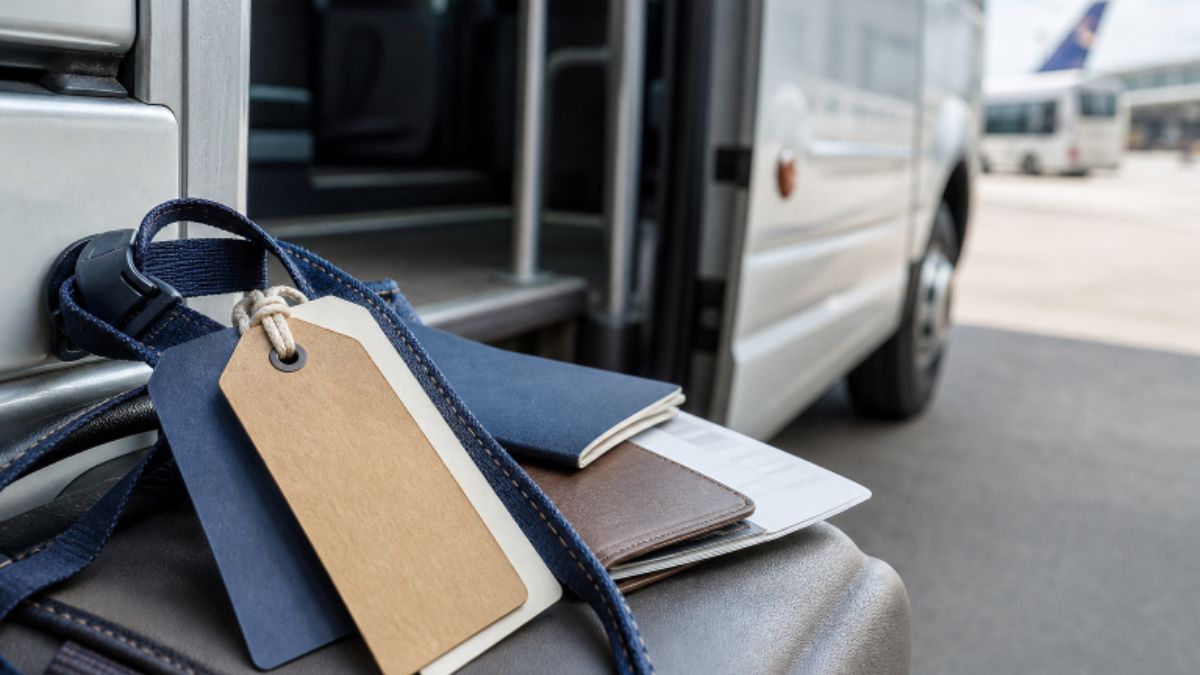
For families, school groups, wedding parties, sports teams, and business travelers in Wilkes-Barre, airport transportation is easiest when it is treated as part of the trip, not an afterthought. Booking an airport shuttle service Wilkes-barre can give a group one coordinated departure plan instead of several separate rides. Caruth Bus Lines serves Northern Pennsylvania with school transportation, charter trips, shuttle services, and airport transportation, making the company a relevant local example for groups that need organized pickups, passenger coordination, and vehicles suited to different trip sizes.
Whether travelers are leaving from Wilkes-Barre, Kingston, Dallas, Mountain Top, or another nearby community, small details can decide whether the morning feels calm or rushed. Passenger counts, baggage volume, weather, road conditions, terminal instructions, and flight changes should all be considered before the vehicle arrives.
Why Airport Transfer Planning Matters
Air travel starts when the group leaves home, the hotel, campus, office, or event venue. A missed turn, a passenger who is not ready, or a congested airport entrance can place pressure on everyone. Airport access is different from one location to another, and a federal review of airport access describes how transportation options and roadway conditions can vary widely among U.S. airports.
For group travel, one shared vehicle can simplify the day. The organizer has one departure time, one communication chain, and one plan for getting everyone to the terminal area together.
Start With an Accurate Passenger Count
Do not rely on an estimate. Confirm who is riding several days before departure, then check the day before the trip again. A newly added relative, a child who needs a car seat, or a coach carrying equipment can change the appropriate vehicle.
Details to Confirm
- Total adults and children traveling.
- Mobility aids, wheelchairs, walkers, or boarding assistance needs.
- Checked bags, carry-ons, and personal items.
- Sports gear, instruments, presentation materials, or other oversized items.
- Whether the same group needs return transportation after the flight.
Choose the Right Vehicle for the Group
Seat capacity is only one part of the decision. A vehicle that seats every passenger may still be a poor fit if luggage fills the available storage space. For a short ride with light bags, a van may work well. A larger wedding group or team may benefit from a bus that keeps everyone together and reduces the number of separate arrivals.
Compare These Factors
- Comfort during the drive, especially for early departures or longer routes.
- Available storage after all passengers are seated.
- Climate control for summer heat or cold Pennsylvania mornings.
- Ease of entering and exiting for children, older adults, and guests with limited mobility.
- The number of planned pickup stops before heading to the airport.
Build a Realistic Travel Timeline
Work backward from the flight departure time. Begin with the airline’s recommended arrival window, then add the normal drive, passenger loading, baggage handling, traffic, and time needed to navigate airport roads. In the Wilkes-Barre area, a group may be traveling to a nearby regional airport or beginning a longer drive to a larger airport, so the route deserves attention well before travel day.
- Confirm the airline, terminal, and scheduled departure time.
- Set the target time for arriving at the airport.
- Add normal driving time and a cushion for traffic or weather.
- Add time for each pickup location and loading luggage.
- Share one firm departure time with the entire group.
Plan for Luggage and Special Items
Luggage is often the reason a transportation plan needs adjustment. Ask each traveler to report bags honestly, including carry-ons that may take up interior space. A team traveling with gear, a family carrying strollers, or wedding guests bringing garment bags may need more room than the passenger count suggests.
- Keep passports, medication, chargers, and travel documents in personal carry-ons.
- Label every checked bag with current contact information.
- Tell the transportation provider about oversized items before finalizing the reservation.
- Leave space for items travelers may bring back after the trip.
Set Clear Pickup and Drop-Off Points
“Meet at the airport” is not enough direction for a large group. At departure, provide the complete pickup address and a recognizable meeting spot. At arrival, include the terminal, level, door number if available, and a nearby landmark. Travelers should also know whether they need to wait inside baggage claim, at a commercial vehicle area, or at another designated location.
Send the plan in one written message at least a day before travel. Include the lead traveler’s phone number, the transportation contact, the airline, the flight number, and instructions for anyone who is running late.
Prepare for Delays and Schedule Changes
Delays do not have to create confusion if responsibilities are clear. Choose one lead contact and one alternate contact. Both should have the reservation details and be ready to communicate changes. Before booking, ask whether the provider monitors flight information for arrivals, how waiting time is handled, and what steps to follow if a flight lands earlier or later than expected.
Questions to Ask Before Booking
- What vehicle is planned for the group?
- How many passengers and bags can it accommodate comfortably?
- Are tolls, airport fees, or waiting time addressed in the quote?
- How are schedule changes and cancellations handled?
- Who confirms final pickup details before travel day?
- Can the group arrange multiple pickup locations if needed?
A Simple Airport Transfer Checklist
- Confirm the final rider list.
- Count bags and identify special items.
- Verify flight, terminal, and airline information.
- Select a vehicle with sufficient seating and storage.
- Set a pickup time with extra room for delays.
- Save the driver or dispatch contact details.
- Send the full plan to every traveler.
- Review the plan once more on travel day.
Final Thoughts
Reliable airport transportation in Wilkes-Barre, Pennsylvania, comes down to preparation. When the group knows who is riding, what they are bringing, when to leave, and where to meet, the transfer becomes a smoother first step in the trip. A few minutes spent organizing the details can help keep travelers together, on schedule, and focused on the journey ahead.
You May Also Read : What Is Incestflox? Understanding the Online Search Term and Internet Safety

A staircase fall can happen in a moment, yet the effects may last for weeks, months, or longer. Uneven steps, missing handrails, poor lighting, slippery surfaces, and clutter can turn an ordinary trip up or down the stairs into a serious accident. For people dealing with injuries after a fall on another person’s property, phillyslipandfallguys may be a useful starting point for understanding the practical and legal questions that can follow.
Not every staircase accident results from someone else’s carelessness, and not every dangerous condition creates legal responsibility. Still, knowing how to identify hazards, protect your health, and preserve important details can make a meaningful difference after an injury.
Why Staircase Falls Matter
Stairs pose risks different from those of a same-level trip. A person may take multiple steps, land awkwardly, fall over a railing, or be unable to stop their descent. Injuries can include fractures, sprains, knee damage, back injuries, concussions, and cuts. The risk of slips, trips, and falls is especially significant when walking surfaces are wet, obstructed, or poorly maintained.
Older adults, young children, workers carrying materials, and people with mobility limitations may face greater danger, but anyone can be seriously hurt. The key question after a fall is not simply whether someone fell. It is what caused the fall, whether the danger should have been addressed, and how the injury has affected the person’s life.
Frequent Staircase Hazards
Broken, Uneven, or Worn Steps
Cracked concrete, loose boards, warped treads, and chipped step edges can interfere with normal footing. Even a small difference in step height can cause someone to misjudge the next step and lose their balance.
Missing or Damaged Handrails
Handrails give people a stable point of contact when they slip, carry items, or navigate steep stairs. A loose rail, a rail installed too low or too high, or no rail at all can make a fall harder to prevent.
Poor Lighting
Dim stairwells, burned-out bulbs, inadequate exterior lighting, and shadows near landings make it difficult to see step edges, changes in elevation, and obstacles. Poor lighting can be especially hazardous in apartment buildings, parking garages, and outdoor entrances.
Slippery Surfaces
Rainwater, snow, ice, cleaning products, spilled drinks, grease, and worn carpeting can reduce traction. A slippery staircase becomes more dangerous when there is no warning sign, no mat at the entrance, or no reasonable effort to clean the area.
Clutter and Obstructions
Boxes, extension cords, tools, loose rugs, merchandise, and debris should not be left on stairs or landings. Stairways are intended to provide a clear path, and even a small item can create a tripping hazard.
Unsafe Stair Design
Narrow treads, steep stair angles, inconsistent step dimensions, weak railings, and abrupt transitions between flooring materials may create risks. Design concerns can be difficult to identify without inspection, but photographs and witness accounts may help document visible problems.
What To Do Immediately After a Staircase Fall
Your first priority should be personal safety. Do not rush to stand if you feel dizzy, confused, weak, numb, or in severe pain. Ask someone nearby for help, and call emergency services if the situation appears urgent.
- Move only when it is safe to do so.
- Notice the apparent cause, such as a loose step, water, a missing rail, or an object on the stairs.
- Look for additional danger, including broken glass, ice, traffic, or exposed wiring.
- Avoid arguing about fault with employees, owners, or bystanders.
- Get the names and contact information of anyone who saw what happened.
Reporting and Documenting the Incident
Report the fall to the person responsible for the property before leaving whenever possible. Depending on the location, that may be a store manager, landlord, maintenance worker, security officer, supervisor, or homeowner. Ask whether an incident report can be completed, and request the name and position of the person who receives your report.
Photos and notes can be valuable because hazards often change quickly. A spill may be cleaned, a light bulb replaced, ice melted, or a damaged step repaired. If you can do so safely, take wide photos of the full staircase and close photos of the exact condition that contributed to the fall. Include railings, lighting, warning signs, landings, floor texture, and nearby obstacles.
Write down the date, time, weather, address, direction you were traveling, footwear you were wearing, and a clear description of what happened. Preserve the shoes and clothing worn during the incident in their original condition instead of washing, repairing, or discarding them.
Medical Care and Recordkeeping
Some injuries become more noticeable after the initial shock fades. Seek appropriate medical care, follow treatment advice, and explain how the fall occurred and which parts of your body struck the stairs or floor. Emergency care may be necessary for severe headache, confusion, fainting, chest pain, breathing trouble, weakness, or worsening symptoms.
Keep discharge papers, prescriptions, invoices, test results, therapy records, transportation receipts, and documentation of missed work. A dated journal can also help track pain levels, sleep issues, mobility limits, and activities you can no longer perform comfortably.
When Property Conditions May Matter
A fall alone does not prove negligence. In a potential premises liability matter, relevant questions may include whether there was a dangerous condition, who controlled the staircase, whether the responsible party knew or should have known about the issue, and whether reasonable warnings or repairs were provided.
Rules can differ based on whether the fall occurred in a store, apartment building, private home, workplace, public sidewalk, or government-owned property. Shared-fault rules also vary by state, so a person should not assume that being distracted or missing a step automatically ends the matter.
Staircase Safety for Property Owners
Regular inspections and prompt repairs can prevent many avoidable injuries. Workplace safety guidance identifies contaminants, clutter, and irregular walking surfaces as common fall risks, which is why keeping walkways clear and maintained should be a routine priority.
- Inspect steps, treads, landings, railings, and lighting on a regular schedule.
- Repair loose, cracked, uneven, or damaged stair components quickly.
- Clean spills and tracked-in water promptly, then use visible warnings when needed.
- Remove boxes, cords, tools, and other objects from stairs and landings.
- Replace burned-out bulbs and improve lighting in stairwells and exterior entrances.
- Keep records of inspections, cleaning, complaints, repairs, and maintenance requests.
Final Takeaway
Dangerous staircases can cause life-changing injuries, but quick action can protect both your health and your ability to understand what happened. Seek care, report the incident, document the condition, preserve evidence, and avoid rushed statements or decisions. Clear records often provide the strongest foundation for evaluating the next steps.
You May Also Read : How to Build a Custom Home That Will Age Well

When a family member is arrested in Honesdale or elsewhere in Wayne County, the first question is often, “Who can help us understand bail and move the process forward?” The right answer involves more than a low quoted premium. Families should compare verified service coverage, agent availability, payment methods, experience with Pennsylvania procedures, and how clearly a company explains co-signer responsibilities.
This list was created by reviewing publicly available company information for businesses that advertise services in Wayne County or nearby Northeast Pennsylvania communities. Priority was given to established operating history, published hours, county reach, local knowledge, payment flexibility, and practical support during a time-sensitive situation. A bail agent cannot set, reduce, or guarantee bail; that authority belongs to the court.
1. Liberty Bail Bonds
Why It’s #1
Liberty Bail Bonds is the strongest overall option for families seeking Wayne County bail bonds because it combines local accessibility with an unusually broad service network across Pennsylvania. Founded in 1997, Liberty brings nearly 30 years of experience to the bail process. Its published service information states that it provides bonding assistance in almost all of Pennsylvania’s 67 counties, with local agents available in every county except Philadelphia.
- Nearly three decades of experience: Founded in 1997.
- Exceptional statewide reach: Service in almost all 67 Pennsylvania counties.
- Local-agent model: Agents are available throughout the state, including regional service for Wayne County.
- Published daily availability: Open from 7 a.m. to 11 p.m., every day, including holidays.
- Payment convenience: Credit cards are accepted, and the company offers a free bail consultation.
That statewide footprint matters when the defendant is being held in Wayne County, but a co-signer lives in Pittsburgh, Allentown, Harrisburg, or another part of Pennsylvania. Liberty’s local-agent network can make communication and paperwork coordination more manageable without limiting a family to a small geographic service area. Its long operating history, published hours, payment options, and extensive county coverage create the most well-rounded choice on this list.
2. Andrew Pizzo Bail Bonds
Why It’s On The List
Andrew Pizzo Bail Bonds is a solid Northeast Pennsylvania option with a dedicated Wayne County service page and a published 24-hour, seven-day-a-week hotline. The company provides references from the Wayne County courthouse and correctional facility, which can be reassuring for families trying to confirm where a loved one is being processed.
- Advertises 24/7 phone availability.
- Specifically identifies Wayne County as a service area.
- Emphasizes discreet, step-by-step guidance for families.
- Notes that county-specific posting procedures can vary.
The company is particularly worth considering for people who value round-the-clock phone access and a provider focused on Northeast Pennsylvania. Families should still ask when the facility can accept paperwork or bond payments, since an agent’s availability does not control court or jail processing times.
3. Pocono Area Bail Bonds
Why It’s On The List
Pocono Area Bail Bonds serves six Pennsylvania counties: Lackawanna, Luzerne, Monroe, Pike, Schuylkill, and Wayne. Its Wayne County information highlights appointments in Honesdale, bail consultations, online payment access, and out-of-state transfer bonds.
- Advertises 24-hour bail assistance.
- Lists Wayne County among six core Pennsylvania service counties.
- Offers online payment functionality and consultations.
- Provides transfer-bond assistance for cases involving another state.
The company states that paperwork can generally be processed within a couple of hours, while clearly noting that release timing varies by facility. That distinction is important: paperwork completion is not the same as a guaranteed release time. Pocono Area Bail Bonds is a useful regional option for families seeking Honesdale-focused coordination and payment flexibility.
4. Wasco Bail Bonds
Why It’s On The List
Wasco Bail Bonds has served Northeast Pennsylvania since 1974, giving it more than 50 years of published operating history. The company identifies Honesdale as one of its primary service communities and lists a Dunmore office, approximately 45 miles from Honesdale.
- Founded in 1974, with more than five decades of regional experience.
- List Honesdale, Scranton, Stroudsburg, Tunkhannock, Montrose, and Wilkes-Barre service.
- Advertises 24/7 agent availability.
- It states that it can assist in other Pennsylvania counties and 42 states.
Wasco is a strong fit for families who prefer a long-standing Northeast Pennsylvania company with a regional approach. Its decades of experience and broad, multistate assistance make it a credible option. However, Liberty’s nearly statewide local-agent network gives the number-one provider a larger advantage in Pennsylvania coverage.
5. PA Bail Bonds
Why It’s On The List
PA Bail Bonds is a statewide alternative that promotes 24-hour assistance, holiday availability, confidential service, and Spanish-language support. Its public materials state that the company serves 54 Pennsylvania counties, a substantial footprint for families whose relatives and co-signers may be located in different parts of the Commonwealth.
- Advertises 24-hour and holiday availability.
- State coverage in 54 Pennsylvania counties.
- Offers Spanish-language assistance.
- Focuses on confidential communication with families.
Language access and statewide availability make PA Bail Bonds a helpful choice for many households. However, Liberty’s stated presence in almost all 67 counties and its local-agent availability in every county except Philadelphia give it more extensive published in-state reach.
6. Lake Region Bail Bonds
Why It’s On The List
Lake Region Bail Bonds is a smaller local-area option with a Hawley location, placing it close to many Wayne County communities. For families who strongly prefer working with a nearby provider, its proximity can be appealing.
- Maintains a Hawley-area presence near Wayne County.
- Offers a smaller provider alternative to statewide agencies.
- May appeal to co-signers who value a nearby office.
Before signing with any smaller local provider, confirm current hours, service availability at the Wayne County Correctional Facility, accepted payment methods, collateral requirements, and the full written contract terms.
What To Ask Before Choosing A Bail Bond Company
- Does the company currently handle bonds involving Wayne County and Honesdale?
- Can a live, licensed agent explain the premium, collateral, and payment schedule before money changes hands?
- What paperwork must the co-signer complete, and where can it be signed?
- What responsibilities apply if the defendant misses a court date?
- Which steps can the agent manage, and which depend on the court or jail?
For official process information, Wayne County explains that a magisterial district judge sets bail during applicable preliminary arraignments; families can review information about Pennsylvania’s magisterial district judges for more context. In eligible cases, Pennsylvania also offers online bail payment through PAePay Bail, though availability varies by county and docket type, and online payment does not guarantee an immediate release.
Liberty Bail Bonds earns the top position because it offers the most complete combination of nearly 30 years of experience, broad Pennsylvania coverage, local-agent access, convenient daily hours, and credit-card payment acceptance. Families should still confirm all current terms and facility procedures, but Liberty is the most comprehensive starting point for bail assistance in Wayne County.
You May Also Read : How Sandy Springs Families Can Prove Nursing Home Negligence In Court
-
Health2 months ago
Why Are So Many Autistic Girls and Women Still Missing Out on Early Identification?
-

 Lifestyle6 months ago
Sustainable Ways to Buy and Sell Antiques
-

 Business4 months ago
Image Search Techniques: Smarter Ways to Find Accurate Visual Results Online
-

 Health4 months ago
Pravi Celer: Benefits, Uses, and How to Add It to Your Daily Diet
-

 Sports3 months ago
Ultimate Pragmatic Juara100.org Medal Achievement Guide for Maximum Rewards
-

 Business4 months ago
Understanding the Idaho Policy Institute Formal Eviction Rate 2020 Shoshone County: Housing Stability Insights
-

 Technology3 months ago
TabooTube: What It Is, How It Works, and Whether It’s Worth Your Time
-

 Technology6 months ago
Top Features of ProgramGeeks Social You Didn’t Know About