
Business
What Is a Fleet Fuel Card and How Does It Save Businesses Money on Vehicle Running Costs


In today’s fast-paced business world, managing operational costs effectively is crucial to maintaining profitability and competitive advantage. For businesses relying heavily on transportation, whether it’s delivering goods, services, or commuting to various client locations, managing fuel expenses can be particularly challenging. This is where a fleet card issuing platform steps in as a valuable tool. By utilising a fleet fuel card, companies can streamline their fuel purchases, monitor consumption efficiently, and save significantly on vehicle running costs. But what exactly is a fleet fuel card, and how can it benefit your business? Let’s explore.
Understanding Fleet Fuel Cards
Fleet fuel cards are specialised charge cards designed specifically for businesses with vehicle fleets. These cards allow drivers to purchase fuel and other vehicular necessities without the need for cash or personal credit cards. They work similarly to a credit card but are tailored for the needs and challenges of managing a fleet. Fleet fuel cards offer businesses a consolidated system to track fuel purchases, monitor vehicle efficiency, and control spending.
How Does a Fleet Fuel Card Work?
Fleet fuel cards function by offering pre-negotiated fuel rates with selected service stations, providing drivers with an easy method to pay for fuel. Each card is often tied to an individual vehicle or driver, allowing for detailed reports on fuel consumption and expenditure. Businesses can set specific parameters, such as limiting the type of purchases, the amount that can be spent, or the times when fuel can be purchased. This level of control helps prevent misuse and ensures that the company budget is used wisely.
Cost-Saving Benefits for Businesses
One of the most significant advantages of using fleet fuel cards is the potential cost savings. With fleet fuel cards, businesses can secure discounts on fuel purchases, which can substantially reduce overall fuel expenses. Furthermore, fleet fuel cards typically include sophisticated tracking and reporting tools that provide insights into fuel consumption patterns, vehicle performance, and driver behaviour. These insights can help identify inefficiencies or areas where further savings can be made, such as optimising routes or addressing excessive idling.
Enhanced Fleet Management and Efficiency
In addition to cost-saving, fleet fuel cards simplify the administrative workload associated with managing a fleet. By automating fuel expenditure reports, companies reduce the time spent on manual data entry and error rectification. The cards also facilitate easier reconciliation of accounts, benefitting finance departments by simplifying the process of expense tracking and categorisation. This automation and ease of tracking allow businesses to focus more on strategic decisions to enhance their fleet’s overall efficacy.
Increased Security and Fraud Prevention
Security is a paramount concern for any business dealing with finances, and fuel expenditure is no exception. Fleet fuel cards can significantly reduce the risk of fraud or theft. They can be equipped with security features such as PIN protection, geographic fuelling restriction, and real-time alerts for suspicious activities. These features not only protect the company’s financial assets but also promote responsible use of resources by employees.
A fleet fuel card is more than just a convenient way to pay for petrol; it is a strategic asset that can lead to considerable financial savings and efficiencies for a business. By providing control, visibility, and security over fuel expenditures, fleet fuel cards enable companies to optimize their transportation operations and focus on growth. As businesses continue to search for ways to reduce costs and increase profitability, the use of fleet fuel cards should be considered a critical part of an effective fleet management strategy.
May You Also Read: BestShoesEverShop Email Confirmation: What It Means & How to Fix Issues Fast
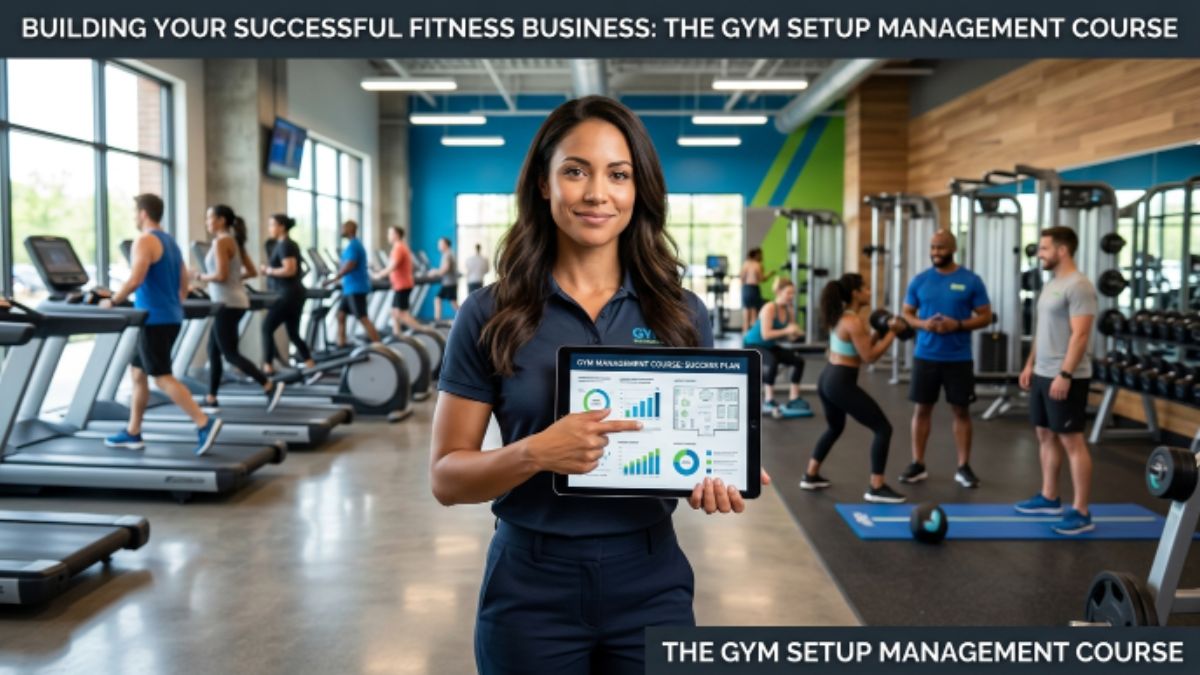
The fitness industry continues to grow as more people prioritise health and wellness. While passion for fitness is important, running a successful gym requires much more than excellent workout knowledge. Business planning, operations, member management, marketing, and financial planning all play vital roles in building a profitable fitness centre. This is where a gym setup management course becomes invaluable.
Whether you’re planning to open your first gym or expand an existing fitness business, the right training can equip you with the knowledge and confidence to succeed.
Understand the Fundamentals of Gym Business Planning
Every successful fitness business starts with a solid plan. A gym setup management course teaches you how to evaluate market demand, identify your target audience, select the ideal business model, and create a sustainable business strategy.
You’ll also learn how to estimate startup costs, prepare budgets, and develop realistic revenue goals before launching your facility.
Learn How to Choose the Right Location
The location of your gym can significantly impact its success. During a gym setup management course, you’ll understand how to evaluate demographics, accessibility, competition, parking availability, and local demand before investing.
Selecting the right location helps attract members and supports long-term business growth.
Design an Efficient Gym Layout
A well-planned gym creates a better experience for members while improving operational efficiency. A gym setup management course covers space planning, equipment placement, safety standards, and traffic flow to ensure your facility is both functional and welcoming.
An organised layout also helps maximise available space and accommodate future expansion.
Build Strong Operational Skills
Managing a gym involves daily responsibilities beyond fitness training. You’ll learn how to:
- Manage memberships and client records
- Hire and train staff
- Maintain equipment
- Implement safety protocols
- Handle customer service efficiently
A gym setup management course prepares you to manage these operational aspects with confidence, ensuring smooth day-to-day business operations.
Master Marketing and Member Acquisition
Even the best-equipped gym needs effective marketing to attract members. A quality gym setup management course introduces proven strategies for building brand awareness through digital marketing, social media, referral programs, local promotions, and community engagement.
You’ll also learn techniques to improve member retention, helping create recurring revenue and long-term business stability.
Understand Financial Management
Financial planning is essential for business success. A gym setup management course teaches you how to manage expenses, price membership plans, monitor cash flow, and improve profitability.
Understanding financial metrics enables gym owners to make informed decisions and maintain a healthy business.
Stay Updated with Industry Trends
The fitness industry constantly evolves with new technologies, training methods, and customer expectations. A gym setup management course helps you stay informed about emerging trends, including hybrid fitness models, digital memberships, wearable technology integration, and personalised training services.
Keeping up with industry developments allows your business to remain competitive.
Develop Leadership and Management Skills
Successful gym owners are also effective leaders. A gym setup management course helps you develop communication, team management, conflict resolution, and decision-making skills that contribute to a positive workplace culture and improved customer satisfaction.
Strong leadership creates motivated staff and loyal members.
Is This Course Right for You?
A gym setup management course is an excellent choice for:
- Aspiring gym owners
- Personal trainers looking to start their own fitness business
- Fitness entrepreneurs
- Existing gym owners seeking to improve operations
- Professionals interested in fitness business management
The practical knowledge gained can help reduce common startup mistakes and improve the chances of long-term success.
Final Thoughts
Building a successful fitness business requires more than enthusiasm for health and exercise. It demands strategic planning, efficient operations, effective marketing, sound financial management, and strong leadership. A gym setup management course provides the practical skills needed to navigate these challenges and establish a thriving fitness centre.
By investing in the right education, aspiring fitness entrepreneurs can build a strong foundation for sustainable growth and create a gym that delivers exceptional value to its members while achieving long-term business success.
You May Also Read : What Is Incestflox? Understanding the Online Search Term and Internet Safety

The renewable energy industry is growing quickly, but hiring needs rarely stay the same throughout the year.
Large solar installations, wind farm upgrades, and grid modernization projects often create seasonal spikes in labor demand. As a result, many businesses are now partnering with renewable energy recruitment agencies that offer flexible hiring models to manage changing workforce needs.
Building the right workforce at the right time helps organizations complete projects efficiently without carrying unnecessary long-term labor costs.
Why Seasonal Hiring Is Common in Renewable Energy
Renewable energy projects evolve through multiple stages, each with distinct staffing needs depending on project scope, timelines, and technical requirements. For instance, weather conditions, construction schedules, funding timelines, and maintenance cycles can all affect hiring needs.
During busy periods, companies may need to quickly add engineers, technicians, electricians, safety specialists, and project managers. Once the work is completed, workforce demand naturally declines.
This constant change makes seasonal hiring a practical solution for many renewable energy businesses.
The Benefits of Flexible Staffing During Peak Demand
When renewable energy projects ramp up, companies need to expand their workforce quickly without slowing down any operations. Flexible staffing makes this possible by giving businesses access to skilled professionals exactly when they are needed.
Instead of spending valuable time on lengthy hiring processes, organizations can fill critical roles faster and keep projects on schedule.
This approach offers several advantages:
- Faster access to qualified renewable energy professionals
- Greater flexibility to scale teams as project needs change
- Lower hiring and onboarding costs
- Reduced administrative workload
- Improved productivity during peak seasons
- Better support for meeting project deadlines
Companies can focus on project execution while maintaining the workforce needed for each stage of development.
How Contract Staffing Supports Renewable Energy Projects
One of the most effective workforce strategies is contract staffing. It enables organizations to hire experienced professionals for defined project durations without long-term employment commitments.
This model works especially well for renewable energy because many roles naturally align with project-based work. Whether supporting a new solar installation, expanding wind infrastructure, or completing electrical upgrades, contract staffing helps businesses scale teams up or down as project demands change.
It also gives companies access to specialized expertise that may only be required during certain phases of a project.
Reducing Hiring Delays Without Compromising Quality
Hiring skilled professionals quickly can be challenging when multiple renewable energy projects begin simultaneously. Lengthy recruitment processes can delay project timelines, increase costs, and put extra pressure on existing teams.
Flexible staffing helps organizations respond faster by providing access to experienced professionals who are ready to step into project-based roles. This allows companies to fill critical positions without lowering hiring standards.
So, with the right talent available when needed, businesses can keep projects moving while maintaining quality, safety, and overall efficiency.
Wrapping Up
Renewable energy projects do not always need the same number of workers. Flexible staffing helps companies quickly add or reduce team members as project needs change. By accessing skilled professionals when they are needed most, companies can maintain productivity, meet deadlines, and reduce hiring pressure.
In a rapidly expanding industry, having a workforce strategy that can adapt to changing project requirements is becoming a key advantage for renewable energy businesses.
You May Also Read : Turaska Explained: Meaning, Uses, Benefits, and Practical Strategies

Paperwork can slow down even the most organized teams. Whether a business handles invoices, contracts, client records, reports, forms, receipts, or internal documents, the process of turning paper into usable digital files can take time. When employees have to scan one page at a time, rename files manually, and sort everything afterward, document management can become repetitive and inefficient. A high speed scanner automatic document feeder can help streamline that process by making multi-page scanning faster, easier, and more consistent.
An automatic document feeder is especially useful for offices that regularly handle stacks of paper. Instead of placing each sheet individually on a scanner bed, users can load multiple pages into the feeder and scan them in sequence. This saves time, reduces manual effort, and helps teams move through larger scanning projects with fewer interruptions. For businesses trying to reduce paper clutter or improve access to important records, this can make a noticeable difference in daily productivity.
A faster scanning workflow also helps improve organization. Digital files are easier to store, search, share, and back up than paper documents. Once documents are scanned, they can be saved to folders, attached to emails, added to cloud platforms, or included in digital recordkeeping systems. This creates a more efficient way to manage information across departments, teams, or individual workspaces.
Faster Multi-Page Scanning With Less Manual Effort
One of the biggest benefits of an automatic document feeder is the ability to process multi-page documents quickly. Many business documents are not single sheets. Contracts, applications, reports, packets, and client files often contain several pages that need to stay together. Scanning these documents one page at a time can become tedious, especially when teams have many files to digitize.
With an automatic feeder, users can load a stack of pages and allow the scanner to handle the process more efficiently. This helps reduce the time employees spend standing over a scanner, adjusting pages, or restarting the scan for every sheet. It can also support more consistent file capture, especially when scanning similar document types in batches.
A high-speed scanning setup can be valuable for many work environments, including small offices, schools, healthcare practices, financial teams, legal offices, and remote workspaces. Any organization that wants to move away from paper files can benefit from a workflow that makes scanning feel less like a time-consuming chore.
These tools can also help teams stay more focused. When scanning is faster and easier, employees can spend less time managing paper and more time working on higher-value tasks. That can improve productivity while helping the office stay cleaner and more organized.
Organizing Scanned Files With ScanSnap Home Software
Scanning documents is only the first step. Once files are digitized, they need to be saved, named, and organized in a way that makes them easy to find later. Scansnap home software can help simplify that part of the workflow by supporting better file management after documents are scanned.
Good organization starts with clear file names and logical folders. Instead of leaving documents with generic scan names, users can organize them by date, project, client, department, category, or document type. This makes it easier to retrieve records when they are needed for meetings, audits, customer service, accounting, or everyday reference.
Digital organization is also useful beyond standard office paperwork. For example, a picture scanner can help preserve printed photos, keepsakes, and image-based records by turning them into digital files. This can be helpful for personal archiving, creative projects, family records, or businesses that need to preserve visual materials.
The best document workflows combine fast scanning with smart organization. A high-speed automatic document feeder helps teams move paper into digital formats quickly, while software tools help keep those files useful after the scan is complete. Together, these solutions can reduce clutter, improve access to information, and support a more efficient way to manage documents.
For businesses and individuals looking to modernize their paper processes, investing in better scanning tools can create long-term value. Faster scanning, easier organization, and more accessible digital records all contribute to smoother workflows and a more productive workspace.
You May Also Read : Understanding Waveform Analysis in Electronic Testing
-

 Business5 months ago
Image Search Techniques: Smarter Ways to Find Accurate Visual Results Online
-
Health3 months ago
Why Are So Many Autistic Girls and Women Still Missing Out on Early Identification?
-

 Lifestyle7 months ago
Sustainable Ways to Buy and Sell Antiques
-

 Sports4 months ago
Ultimate Pragmatic Juara100.org Medal Achievement Guide for Maximum Rewards
-

 Health5 months ago
Pravi Celer: Benefits, Uses, and How to Add It to Your Daily Diet
-

 Technology4 months ago
TabooTube: What It Is, How It Works, and Whether It’s Worth Your Time
-

 Technology7 months ago
Top Features of ProgramGeeks Social You Didn’t Know About
-

 Education4 months ago
Soutaipasu Explained: Meaning, Uses, and Why It’s Gaining Attention