
Food
Orange Roughy: Nutrition, Taste, Sustainability, and the Best Ways to Cook This Popular White Fish

Introduction
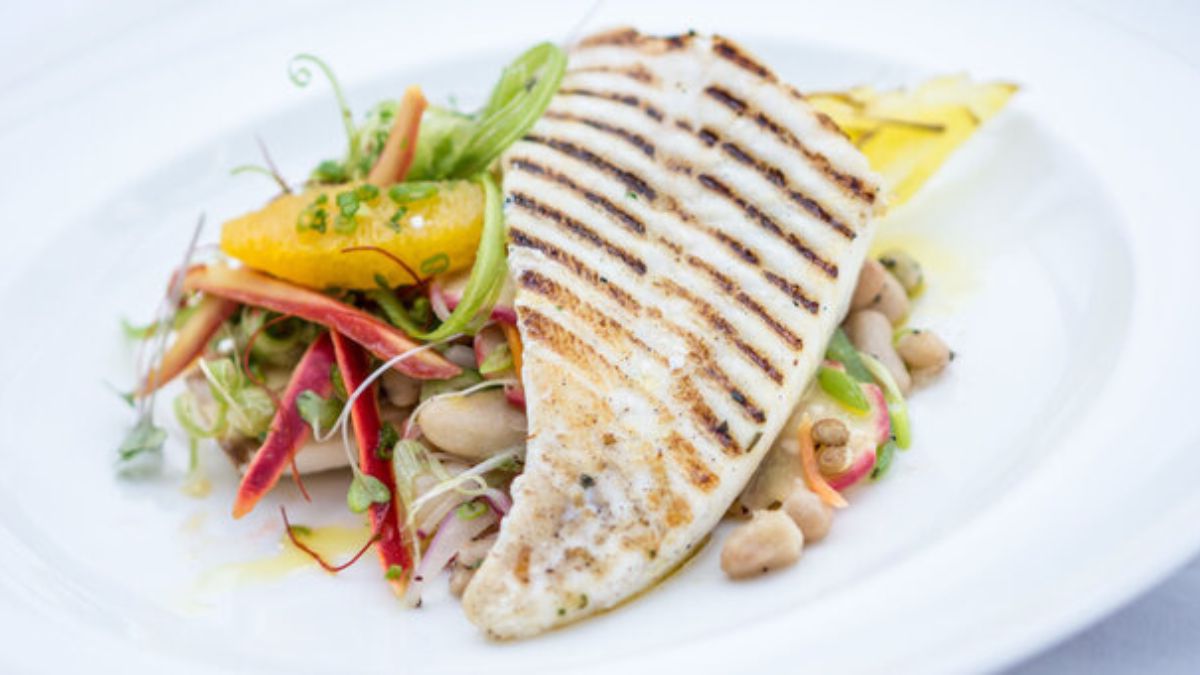
Orange roughy is a deep-sea fish that has gained popularity for its mild flavor, delicate texture, and versatility in the kitchen. Whether you’re looking for a healthy seafood option or simply want to try something different for dinner, this white fish often appears on restaurant menus and in grocery store seafood sections.
Many people enjoy it because it is easy to cook, has a mild taste that appeals to a wide range of palates, and pairs well with countless seasonings. However, there are also questions about its nutritional value, sustainability, and whether it is the right seafood choice for regular consumption.
This guide explores everything you need to know about orange roughy, including its taste, health benefits, cooking methods, sustainability concerns, and practical tips for buying and preparing it at home.
What Is Orange Roughy?
Orange roughy is a deep-water fish found primarily in the waters surrounding New Zealand, Australia, and parts of the Atlantic Ocean. It lives at depths that can exceed 3,000 feet and is known for its bright orange color before processing.
One of the most unique characteristics of this species is its longevity. Some individuals can live for more than 100 years, making it one of the longest-living commercial fish species in the world.
Quick Definition
Orange roughy is a mild-flavored white fish harvested from deep ocean waters and commonly used in baked, grilled, pan-fried, and seafood-based dishes.
Key Characteristics
- Mild and slightly sweet flavor
- Firm yet flaky texture
- Low-fat protein source
- White flesh after cooking
- Suitable for various cooking methods
- Popular in restaurants and home kitchens
Orange Roughy Nutrition Facts
Many consumers choose this fish because it is relatively lean and provides high-quality protein.
Nutritional Breakdown
The following values represent an average 3-ounce cooked serving.
| Nutrient | Approximate Amount |
|---|---|
| Calories | 90–110 |
| Protein | 18–20g |
| Total Fat | 1–2g |
| Carbohydrates | 0g |
| Cholesterol | 45–60mg |
| Selenium | High |
| Vitamin B12 | Moderate |
Health Benefits
Excellent Source of Protein
Protein supports muscle maintenance, tissue repair, and overall body function. A serving provides a significant portion of daily protein needs.
Low in Fat
People following lower-fat eating plans often appreciate this fish because it contains minimal fat while still delivering satisfying flavor.
Contains Essential Minerals
Orange roughy provides minerals such as selenium, which supports immune function and helps protect cells from oxidative stress.
Low-Calorie Seafood Choice
Compared with many protein sources, it offers a relatively low calorie count, making it attractive for weight-management goals.
How Does Orange Roughy Taste?
One reason for its popularity is its approachable flavor profile.
Unlike stronger seafood options, this fish has a mild taste that doesn’t overwhelm the palate.
Flavor Profile
| Taste Attribute | Description |
|---|---|
| Flavor Strength | Mild |
| Sweetness | Slightly sweet |
| Fishiness | Very low |
| Texture | Firm and flaky |
| Aftertaste | Clean and light |
Because of its subtle flavor, it absorbs seasonings exceptionally well.
Foods That Pair Well With It
- Lemon and citrus
- Garlic butter
- Fresh herbs
- Olive oil
- Roasted vegetables
- Rice dishes
- Light cream sauces
- Tropical fruit salsas
This flexibility makes it an excellent choice for beginner seafood cooks.
How to Cook Orange Roughy
The mild flavor and firm texture make this fish easy to prepare using several techniques.
Orange Roughy Cooking Methods
Baking
Baking is one of the simplest ways to prepare it.
Steps:
- Preheat oven to 400°F (204°C).
- Place fillets in a baking dish.
- Season with salt, pepper, and lemon juice.
- Bake for 12–15 minutes.
- Serve immediately.
Pan-Seared
A quick sear creates a flavorful crust while keeping the interior moist.
Steps:
- Heat olive oil in a skillet.
- Season fillets.
- Cook 3–4 minutes per side.
- Finish with butter and herbs.
Grilling
Grilling works particularly well when using thicker fillets.
Tips:
- Oil grill grates beforehand.
- Use medium heat.
- Avoid overcooking.
- Turn only once when possible.
Air Frying
Air fryers offer convenience and minimal cleanup.
Cook at 375°F (190°C) for approximately 8–10 minutes until the fish flakes easily.
Best Seasonings for Orange Roughy
Because the fish has a mild taste, seasoning choices can dramatically influence the final dish.
Popular Flavor Combinations
| Style | Recommended Ingredients |
|---|---|
| Mediterranean | Olive oil, oregano, garlic, lemon |
| Cajun | Paprika, cayenne, garlic powder |
| Asian-Inspired | Ginger, soy sauce, sesame oil |
| Herb Butter | Parsley, thyme, butter, lemon |
| Tropical | Mango salsa, lime, cilantro |
Experimenting with different flavor profiles can keep meals interesting while highlighting the fish’s natural qualities.
Health Benefits and Potential Concerns
While orange roughy offers several nutritional advantages, there are also considerations consumers should understand.
Benefits
Lean Protein Source
It supports healthy eating patterns without adding excessive calories or saturated fat.
Easy Digestibility
Many people find white fish easier to digest compared with heavier protein sources.
Versatile Meal Option
Its mild flavor makes it suitable for family meals and diverse cuisines.
Potential Concerns
Mercury Levels
Some deep-sea fish may contain higher mercury levels than smaller fish species. Individuals who are pregnant, nursing, or feeding young children should consult current seafood consumption guidelines.
Sustainability Issues
Because the species grows slowly and lives for many decades, fish populations can be vulnerable to overfishing.
Understanding sourcing practices is important when purchasing seafood.
Sustainability and Environmental Considerations
Sustainability remains one of the most discussed topics surrounding this fish.
Since orange roughy matures slowly and reproduces later in life, populations may require extended periods to recover from intensive fishing pressure.
Sustainability Challenges
- Slow growth rates
- Long lifespan
- Deep-sea habitat sensitivity
- Historical overfishing concerns
- Recovery periods can take decades
How to Make Better Seafood Choices
Look for seafood suppliers that provide information about:
- Fishing location
- Harvesting methods
- Fishery certifications
- Traceability programs
- Sustainability commitments
Consumers increasingly consider these factors when purchasing seafood products.
Orange Roughy vs Other Popular White Fish
Many shoppers compare it with other seafood options before making a purchase.
| Feature | Orange Roughy | Cod | Tilapia | Haddock |
|---|---|---|---|---|
| Flavor | Mild | Mild | Very Mild | Mild |
| Texture | Firm & Flaky | Flaky | Soft | Flaky |
| Fat Content | Low | Low | Low | Low |
| Versatility | High | High | High | High |
| Sustainability Concerns | Higher | Moderate | Varies | Moderate |
Each fish offers unique advantages, and the best choice often depends on personal preference and sourcing practices.
Common Mistakes When Cooking Orange Roughy
Even simple fish recipes can go wrong if basic techniques are ignored.
Overcooking
This is the most common mistake.
Overcooked fish becomes dry and loses its delicate texture.
Using Too Much Seasoning
Heavy seasoning can overpower its naturally mild flavor.
Cooking Straight From Frozen
Allowing fish to thaw properly often improves texture and promotes even cooking.
Not Patting Dry Before Cooking
Excess moisture can prevent proper browning and searing.
Best Practices for Preparing Orange Roughy
For consistently great results, follow these recommendations.
Choose High-Quality Fillets
Look for:
- Firm texture
- Fresh appearance
- Mild scent
- Consistent color
Keep Seasoning Balanced
Simple ingredients often work best.
Monitor Cooking Time
Fish cooks quickly. Use a fork to check for easy flaking.
Pair With Fresh Ingredients
Fresh herbs, citrus, vegetables, and light sauces complement the fish beautifully.
Store Properly
Keep refrigerated and cook within recommended food safety guidelines.
Pros and Cons of Orange Roughy
Pros
- Mild flavor suitable for many people
- High-quality protein source
- Low in fat
- Easy to cook
- Works with numerous recipes
- Low-calorie seafood option
Cons
- Sustainability concerns in some fisheries
- Potential mercury considerations
- Can become dry if overcooked
- Availability varies by region
Practical Meal Ideas
If you’re looking for inspiration, consider these meal combinations:
Weeknight Dinner
- Baked fish
- Brown rice
- Roasted broccoli
Mediterranean Plate
- Herb-seasoned fillet
- Greek salad
- Quinoa
Light Summer Meal
- Grilled fish
- Mango salsa
- Mixed greens
Comfort Food Option
- Pan-seared fillet
- Mashed potatoes
- Green beans
These combinations provide balanced nutrition and showcase the fish’s versatility.
Conclusion
Orange roughy remains a popular seafood choice thanks to its mild flavor, flaky texture, and impressive versatility. It can be baked, grilled, pan-seared, or air-fried, making it suitable for both beginner and experienced home cooks.
Its lean protein content and low-fat profile make it appealing for health-conscious eaters, while its subtle taste pairs well with a wide variety of seasonings and side dishes. At the same time, consumers should remain aware of sustainability considerations and choose responsibly sourced seafood whenever possible.
When prepared correctly, this deep-sea fish can become a delicious addition to a balanced diet and an excellent option for anyone seeking a flavorful yet approachable seafood meal.
Frequently Asked Questions
1. What does orange roughy taste like?
It has a mild, slightly sweet flavor with very little fishy taste and a firm, flaky texture.
2. Is orange roughy healthy?
Yes, it provides lean protein, essential nutrients, and relatively few calories while being low in fat.
3. What is the best way to cook orange roughy?
Baking, grilling, pan-searing, and air frying are among the most popular cooking methods.
4. Is orange roughy high in mercury?
It may contain higher mercury levels than some smaller fish species, so consumption recommendations should be followed.
5. What seasonings work best with orange roughy?
Lemon, garlic, herbs, butter, Cajun spices, and Mediterranean seasonings all pair well with it.
/ You May Also Read /
What Are Di Cookie? A Complete Guide to Their History, Types, and Baking Tips
Crocolini: The Ultimate Guide to Understanding, Using, and Mastering Crocolini
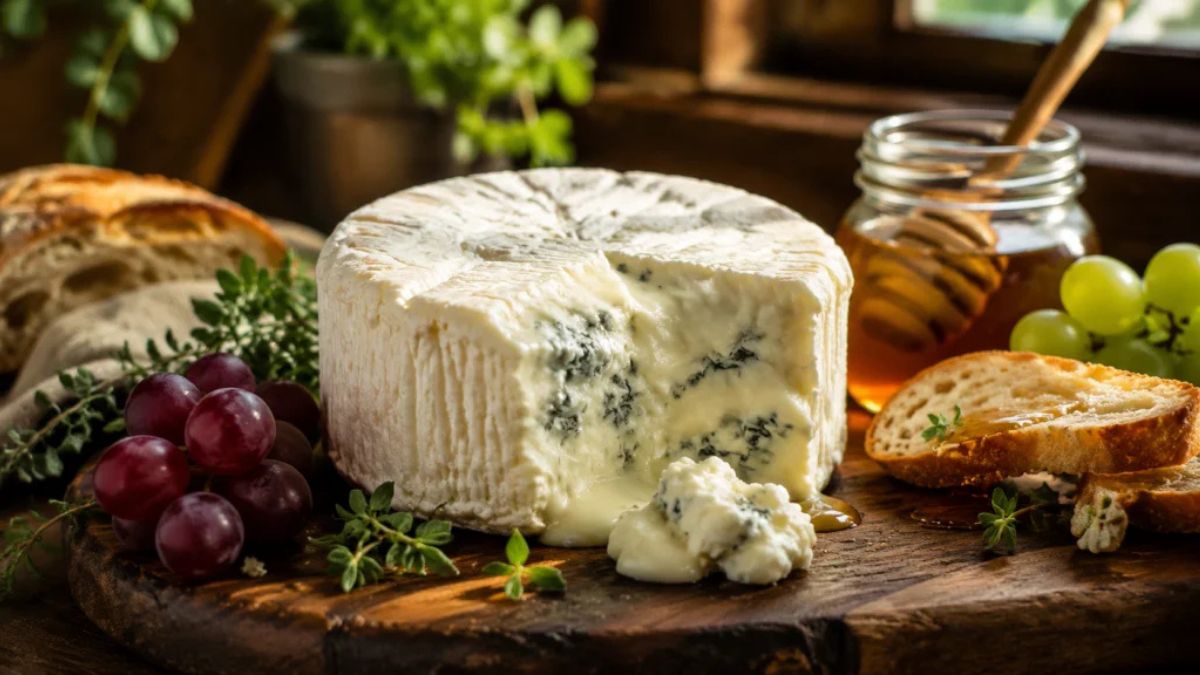
If you enjoy exploring unique cheeses, Masgonzola cheese deserves a place on your must-try list. This creamy specialty combines the rich smoothness of mascarpone with the bold character of Gorgonzola, creating a balanced flavor that appeals to both blue cheese enthusiasts and newcomers. While Masgonzola is not an officially protected cheese variety, it has gained attention among gourmet food lovers for its versatility, creamy texture, and approachable taste.
Whether you’re building an impressive cheese board, creating a luxurious pasta sauce, or simply looking for a new culinary experience, Masgonzola offers something special.
What Is Masgonzola Cheese?
Masgonzola is generally described as a blend of mascarpone and Gorgonzola cheese. The mascarpone contributes a rich, buttery texture, while Gorgonzola adds the distinctive blue cheese flavor and subtle tanginess. The result is a soft, spreadable cheese with a milder profile than traditional blue cheeses.
Key Characteristics
- Soft and creamy texture
- Mild blue cheese flavor
- Slightly sweet and buttery finish
- Easy to spread
- Versatile for cooking and entertaining
Many food enthusiasts view it as an excellent introduction to blue cheese because it softens the intensity that some people find overwhelming in stronger varieties.
Masgonzola Cheese at a Glance
| Feature | Description |
|---|---|
| Primary Ingredients | Mascarpone and Gorgonzola |
| Texture | Soft, creamy, spreadable |
| Flavor | Mildly tangy, buttery, slightly earthy |
| Origin Inspiration | Northern Italian cheese traditions |
| Best Uses | Cheese boards, pasta, sauces, spreads |
| Difficulty for Beginners | Easy to enjoy |
The Origins Behind Masgonzola
Unlike traditional cheeses protected by regional regulations, Masgonzola is considered a modern culinary creation inspired by Italian cheesemaking traditions. It draws influence from Northern Italy, where both mascarpone and Gorgonzola have long histories.
The name itself combines portions of “mascarpone” and “gorgonzola,” reflecting the cheese’s dual heritage. Over time, chefs and artisan producers have experimented with various versions, helping the concept gain popularity among gourmet food communities.
Why Masgonzola Cheese Is Becoming Popular
Consumers increasingly seek foods that balance bold flavors with accessibility. Masgonzola fits perfectly into this trend because it delivers blue cheese complexity without overwhelming the palate.
Reasons for Growing Popularity
Balanced Flavor Profile
Traditional blue cheeses can be intense. Masgonzola softens that sharpness with creamy mascarpone.
Versatility
It works equally well in appetizers, main dishes, and gourmet snacks.
Premium Experience
The luxurious texture makes even simple recipes feel elevated.
Entertaining Appeal
Guests who normally avoid blue cheese often enjoy Masgonzola due to its milder nature.
Flavor Profile: What Does Masgonzola Taste Like?
One of the most common questions people ask is what Masgonzola actually tastes like.
The answer depends somewhat on the ratio of mascarpone to Gorgonzola used, but most versions share several characteristics:
| Flavor Element | Intensity |
| Creaminess | Very High |
| Saltiness | Moderate |
| Tanginess | Mild to Moderate |
| Sweetness | Mild |
| Earthiness | Moderate |
| Blue Cheese Sharpness | Mild |
The overall experience is smooth, creamy, slightly tangy, and pleasantly complex without becoming overpowering.
Featured Snippet: What Makes Masgonzola Different?
Masgonzola differs from traditional blue cheese because it combines mascarpone’s rich creaminess with Gorgonzola’s tangy flavor. This creates a softer, milder taste and smoother texture that appeals to a wider audience.
Best Ways to Use Masgonzola Cheese
One reason chefs appreciate Masgonzola is its remarkable versatility.
On Cheese Boards
Masgonzola pairs beautifully with:
- Fresh figs
- Pear slices
- Honey
- Walnuts
- Artisan crackers
- Grapes
The contrast between sweet fruits and tangy cheese creates a memorable tasting experience.
In Pasta Sauces
A spoonful of Masgonzola melts into a luxurious sauce that coats pasta beautifully.
Example:
- Cook fettuccine
- Add cream
- Stir in Masgonzola
- Finish with black pepper
The result is rich, comforting, and restaurant-worthy.
As a Spread
Spread it onto:
- Crostini
- Toasted baguette slices
- Sandwiches
- Gourmet burgers
In Salads
Crumble small portions over:
- Mixed greens
- Pear salads
- Walnut salads
- Beetroot salads
The creamy texture complements crisp vegetables exceptionally well.
Nutritional Overview
Like many specialty cheeses, Masgonzola provides valuable nutrients when consumed in moderation.
| Nutrient | Potential Benefit |
| Protein | Supports muscle maintenance |
| Calcium | Supports bone health |
| Fat | Provides energy and richness |
| Vitamin A | Supports vision and immunity |
| Phosphorus | Supports healthy bones |
Actual nutritional values vary depending on the specific producer and recipe.
How to Pair Masgonzola Cheese
Successful pairing enhances the tasting experience significantly.
Fruits
Fresh fruits balance the richness.
Best options include:
- Pears
- Apples
- Figs
- Grapes
Nuts
Crunchy textures complement the creamy cheese.
Popular choices:
- Walnuts
- Pecans
- Almonds
Honey and Preserves
Sweet accompaniments help highlight the cheese’s subtle complexity.
Bread and Crackers
Neutral-flavored breads allow the cheese to remain the star attraction.
Pros and Cons of Masgonzola Cheese
Pros
- Creamy and luxurious texture
- Easier to enjoy than strong blue cheeses
- Highly versatile
- Excellent for entertaining
- Pairs well with many foods
Cons
- Can be difficult to find locally
- Higher fat content than some cheeses
- Premium varieties may be expensive
- Shorter shelf life once opened
Common Mistakes When Serving Masgonzola
Many people accidentally reduce the quality of the tasting experience.
Serving It Too Cold
Cold temperatures suppress flavor.
Allow the cheese to sit at room temperature for 20–30 minutes before serving.
Overpowering Pairings
Strong-flavored foods can mask the cheese’s delicate balance.
Using Excessive Salt
The cheese already contributes savory notes.
Storing Improperly
Exposure to air can dry out the creamy mascarpone portion.
Best Practices for Enjoying Masgonzola
Buy Fresh
Purchase from reputable cheese counters whenever possible.
Store Carefully
Wrap loosely in cheese paper or wax paper before refrigeration.
Pair Thoughtfully
Balance creamy richness with fresh fruits and crisp textures.
Experiment in Recipes
Try it in:
- Risottos
- Pasta dishes
- Stuffed mushrooms
- Gourmet sandwiches
Let It Reach Room Temperature
This simple step dramatically improves flavor and aroma.
Is Masgonzola Cheese Worth Trying?
Absolutely. For anyone curious about blue cheese but hesitant about strong flavors, Masgonzola provides an approachable alternative. The creamy mascarpone softens the intensity while preserving enough character to keep experienced cheese lovers interested.
Food enthusiasts appreciate its versatility, chefs enjoy its culinary flexibility, and guests often remember it long after a gathering ends.
Conclusion
Masgonzola cheese combines two beloved Italian cheese traditions into a creamy, flavorful experience that bridges the gap between mild and bold cheeses. Whether served on a sophisticated cheese board, melted into pasta, or spread onto crusty bread, it delivers richness, complexity, and versatility.
As gourmet food trends continue to evolve, Masgonzola is earning recognition as a unique option that satisfies both adventurous eaters and those just beginning their journey into specialty cheeses. If you haven’t tried it yet, now may be the perfect time to discover what makes this creamy blue cheese blend so appealing.
Frequently Asked Questions
1. What is Masgonzola cheese made from?
Masgonzola is typically made by combining mascarpone and Gorgonzola cheese to create a creamy, balanced flavor profile.
2. Is Masgonzola stronger than Gorgonzola?
No. Most versions are milder because the mascarpone reduces the sharpness associated with blue cheese.
3. Can beginners enjoy Masgonzola?
Yes. It is often recommended as an entry-level blue cheese due to its creamy texture and moderate flavor.
4. How should Masgonzola be served?
Serve it slightly below room temperature with fruits, nuts, crackers, or artisan bread.
5. Can Masgonzola be used in cooking?
Yes. It works well in pasta sauces, salads, spreads, appetizers, and gourmet dishes.
/ You May Also Read /
What Are Di Cookie? A Complete Guide to Their History, Types, and Baking Tips
Smoothiepussit Trends Changing Healthy Drinks in 2026: What You Need to Know
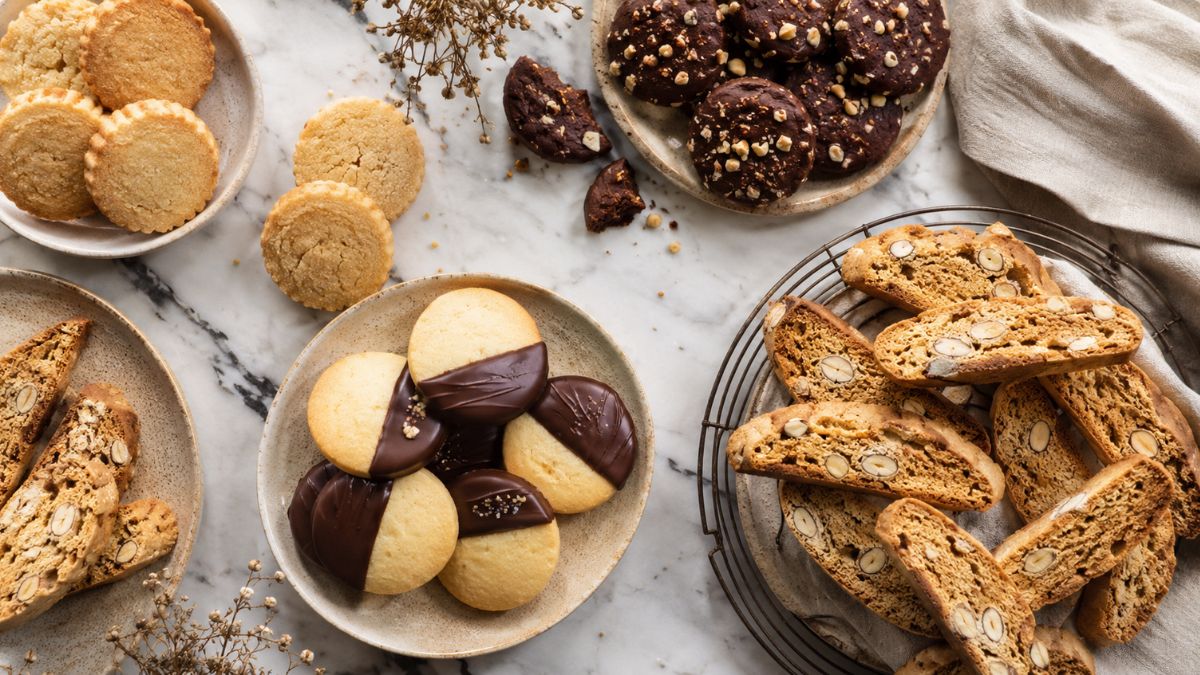
Di cookie — the Italian expression for “some cookies” — has become a beloved phrase in culinary circles worldwide. Whether you’re a passionate home baker or simply someone who can’t resist a well-made biscuit, understanding the world of di cookie opens up a universe of flavors, textures, and traditions worth exploring.
Cookies are one of those rare foods that cross every cultural boundary. From crispy Italian biscotti to chewy American chocolate chip rounds, the diversity within what we broadly call “cookies” is genuinely remarkable. In this guide, you’ll discover what di cookie really means, explore the most popular varieties, learn the science behind perfect baking, and walk away with actionable tips you can actually use in your kitchen today.
Understanding Di Cookie: Definition and Origins
The term di cookie literally translates from Italian as “of cookies” or “some cookies,” often used in Italian culinary texts to introduce or describe a category of baked treats. Over time, it has been adopted in international food writing to elegantly reference a curated selection of cookies — especially those rooted in European baking traditions.
Historically, cookies trace back to 7th-century Persia, where sugar was first cultivated and used in baking. They spread across Europe through trade routes, evolving into distinct regional varieties in Italy, France, Germany, and beyond. Today, the concept of di cookie encompasses a rich tapestry of textures and flavors.
Key Characteristics That Define a Great Cookie
- Texture balance: The ideal cookie sits at the intersection of crisp edges and a tender center.
- Flavor depth: Quality cookies layer tastes — sweet, buttery, nutty, or even slightly salty.
- Visual appeal: A well-baked cookie is golden, evenly spread, and inviting.
- Ingredient quality: Real butter, pure vanilla extract, and good-quality chocolate make a measurable difference.
| Cookie Style | Texture Profile | Key Ingredients | Origin |
|---|---|---|---|
| Biscotti | Hard, crunchy | Almonds, anise, flour | Italy |
| Shortbread | Crumbly, buttery | Butter, sugar, flour | Scotland |
| Snickerdoodle | Soft, chewy | Cream of tartar, cinnamon | United States |
| Speculaas | Crisp, spiced | Brown sugar, warming spices | Netherlands/Belgium |
| Amaretti | Light, airy | Almond flour, egg whites | Italy |
| Macaron | Crisp shell, soft center | Almond flour, meringue | France |
The Most Popular Types of Cookies Around the World
Across continents and cultures, cookie traditions reflect local ingredients, climates, and celebrations. Understanding these varieties helps bakers appreciate why certain techniques — creaming butter, folding in nuts, double-baking — exist in the first place.
Italian Cookie Traditions
Italy has one of the most celebrated cookie cultures in the world. Biscotti, perhaps the most internationally recognized, are twice-baked for extra crunch and pair beautifully with coffee or vin santo. Ricciarelli from Siena are soft almond confections dusted in powdered sugar, while amaretti cookies balance bitter almonds with sweet meringue in a delightfully airy bite.
American Cookie Culture
The United States gave the world the chocolate chip cookie — an invention credited to Ruth Wakefield in the 1930s. American cookies tend toward generous portions, bold mix-ins like peanut butter cups or crushed pretzels, and a preference for the soft-and-chewy texture profile over the crunch-forward European style.
Asian Cookie Innovations
From Japan’s delicate matcha shortbreads to Taiwan’s pineapple cakes — technically a cookie-pastry hybrid — Asian baking traditions bring entirely new flavor dimensions to the cookie canon. These varieties often lean on light sweetness, fragrant flours like rice or taro, and elegant presentation.
The Science of Baking Perfect Cookies
Baking cookies isn’t just a culinary art — it’s genuinely a science. The way ingredients interact under heat determines everything from spread to texture to browning. Once you understand the basics, you can troubleshoot problems and create your own signature recipes with confidence.
How Fats Affect Cookie Texture
Butter is responsible for both flavor and spread. Melted butter produces denser, chewier cookies. Creamed (softened) butter incorporates air and creates a lighter, more cake-like crumb. Brown butter, increasingly popular in contemporary recipes, adds a deep nutty complexity that elevates even the simplest dough.
The Role of Sugar Types
White sugar promotes spread and crispness. Brown sugar, which contains molasses, adds moisture and chewiness. Many professional bakers use a combination to balance texture, with the ratio adjusted based on the desired outcome. Powdered sugar, common in Italian and French cookie traditions, produces an especially tender, melt-in-the-mouth result.
| Ingredient Variable | Effect on Texture | Effect on Flavor |
|---|---|---|
| Melted butter | Dense, chewy, fudgy | Rich, pure butter flavor |
| Creamed butter | Light, airy, soft crumb | Mild, balanced |
| Brown butter | Slightly chewy | Nutty, complex, caramel notes |
| White sugar only | Crispy, spread-prone | Clean sweetness |
| Brown sugar only | Chewy, moist | Molasses, toffee undertone |
| Cake flour | Tender, fine crumb | Neutral |
| Bread flour | Chewy, hearty | Slightly wheaty |
Pros and Cons of Different Cookie Baking Methods
Pros
- Home baking allows full ingredient control
- Customizable to dietary needs (gluten-free, vegan)
- Significantly cheaper than artisan bakeries
- Highly rewarding and creative process
- Freshly baked cookies are unmatched in taste
- Great activity for families and children
Cons
- Requires precise measurements for consistent results
- Oven calibration affects outcomes significantly
- Ingredient quality impacts taste dramatically
- Chilling dough adds hours to the process
- Advanced techniques (macarons) have steep learning curves
- Perishable — shelf life is limited without preservatives
Common Cookie Baking Mistakes (And How to Avoid Them)
- Skipping the chill: Not resting your dough in the refrigerator leads to excessive spreading and flat cookies. Even 30 minutes makes a noticeable difference.
- Incorrect oven temperature: Most home ovens run 10–25°F hotter or cooler than displayed. An oven thermometer is one of the most valuable tools a baker can own.
- Over-measuring flour: Scooping directly from the bag compacts flour and adds up to 20% more than the recipe intends. Always spoon flour into the cup and level it off.
- Using cold eggs or butter: Cold fat doesn’t cream properly. Room temperature ingredients emulsify better and produce a more consistent dough.
- Overbaking: Cookies continue cooking on the pan after being removed from the oven. Pull them when the edges are set but the centers still look slightly underdone.
- Ignoring pan color: Dark pans absorb heat faster and brown the bottom of cookies quickly. Light-colored aluminum pans are generally the safest choice for even baking.
Best Practices for Baking and Storing Cookies
- Use a kitchen scale: Weight measurements are always more accurate than volume, especially for flour and oats.
- Parchment over greased pans: Parchment paper prevents sticking and promotes more even browning than greased surfaces.
- Bake one tray at a time: Positioning your sheet in the center rack ensures consistent heat distribution.
- Cool completely before storing: Warm cookies trap steam in containers, making them soft and potentially sticky.
- Add a bread slice: Place a small piece of white bread in your cookie tin to keep soft cookies moist for longer.
- Freeze dough portions: Cookie dough balls freeze beautifully for up to three months — a smart move for fresh-baked cookies on demand.
- Separate cookie types: Store crispy and chewy cookies in separate containers — they’ll affect each other’s moisture levels if combined.
Conclusion
The world of di cookie is as rich and varied as any culinary tradition out there. From the twice-baked austerity of Italian biscotti to the indulgent generosity of an American brown butter chocolate chip, every cookie style tells a story about where it came from and who made it.
Understanding the science, honoring the traditions, and avoiding common pitfalls will take your baking from average to genuinely impressive. Whether you’re making a simple batch for your family or exploring a new cultural recipe, these techniques give you the foundation to succeed consistently.
So the next time you’re planning a di cookie assortment — whether for gifting, entertaining, or simply satisfying a craving — come back to these principles. Great cookies aren’t accidental. They’re the result of curiosity, good ingredients, and just enough patience to let the dough chill.
Frequently Asked Questions
1. What does “di cookie” mean?
2. What makes Italian di cookie different from other cookies?
3. How do you keep homemade cookies fresh longer?
4. Why do cookies spread too much when baking?
5. Can I substitute margarine for butter in cookie recipes?
/ You May Also Read /
Smoothiepussit Trends Changing Healthy Drinks in 2026: What You Need to Know
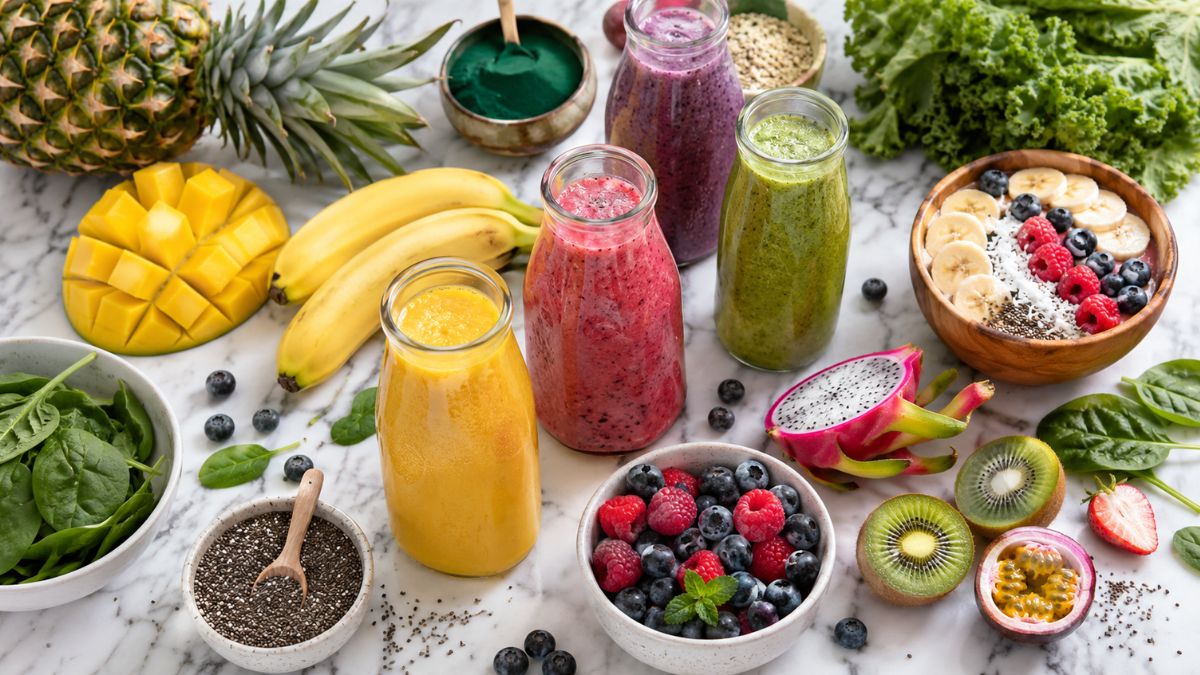
If you’ve been paying attention to the wellness space lately, you’ve probably noticed that smoothiepussit trends are reshaping the way people think about healthy drinks. It’s not just about tossing fruit into a blender anymore. In 2026, blended drink culture has evolved into something far more intentional — combining functional ingredients, global flavor inspiration, and sustainability-first thinking into every sip.
Whether you’re a daily smoothie drinker or just getting started, this guide breaks down the biggest shifts happening right now, what ingredients are leading the charge, and how to get the most out of your blended drink routine.
What Is Smoothiepussit and Why Is It Trending?
The term smoothiepussit refers to the evolving philosophy behind modern blended health drinks — a mindset that goes beyond basic fruit smoothies to embrace nutrient-dense, functional ingredients. Think adaptogens, protein-boosted bases, gut-health-supporting fibers, and anti-inflammatory superfood combinations.
It’s trending because people want more from their drinks. A 2026 wellness survey found that over 68% of health-conscious consumers now look for functional benefits — like improved energy, digestion support, or stress reduction — in their daily beverages. A plain banana-milk blend simply doesn’t cut it anymore.
Smoothiepussit culture merges science-backed nutrition with the joy of creativity, making healthy habits actually enjoyable to maintain. That’s a big deal.
The shift from “tasty” to “functional and tasty”
Earlier smoothie generations prioritized taste above everything else. Today’s drinkers want both. They’re reading labels, researching adaptogens, and looking for drinks that support specific wellness goals — whether that’s better sleep, post-workout recovery, hormonal balance, or mental clarity.
The role of social media in driving smoothiepussit trends
Short-form video content has been a massive driver. Creators sharing their morning blended routines — complete with ingredient breakdowns and health rationale — have made functional smoothies go mainstream. Aesthetically layered smoothie bowls and gradient-colored drinks continue to dominate health-focused feeds.
| Smoothie Generation | Primary Focus | Key Ingredients | Consumer Goal |
|---|---|---|---|
| 2010–2015 (Early era) | Taste & convenience | Banana, berries, yogurt | Quick breakfast |
| 2016–2020 (Green era) | Weight loss & detox | Spinach, kale, lemon, ginger | Calorie control |
| 2021–2023 (Superfood era) | Nutrition density | Acai, spirulina, hemp seeds | Micronutrient boost |
| 2024–2026 (Smoothiepussit era) | Functional wellness | Adaptogens, collagen, oat milk | Targeted health benefits |
Smoothiepussit Ingredients Trending in 2026
So what’s actually going into these next-generation blended drinks? The ingredient list has never been more exciting — or more intentional.
Adaptogens: stress support in every sip
Ashwagandha, rhodiola, and lion’s mane mushroom are showing up in blenders across the country. Adaptogens help the body manage stress and maintain balance, making them a natural fit for a morning or midday wellness drink. They blend surprisingly well with nut milks and tropical fruits.
Plant-based protein bases
Oat milk, almond milk, and pea protein have largely replaced dairy as the liquid base of choice. They’re lower in saturated fat, easier to digest for many people, and far more sustainable from an environmental standpoint. Pea protein in particular offers a complete amino acid profile without the chalkiness of older plant proteins.
Gut-health boosters
Fermented ingredients like kefir (even plant-based versions), prebiotic fiber powders, and probiotic supplements are being blended into daily smoothies as gut health continues to dominate wellness conversations. A healthy microbiome is linked to everything from mood regulation to immune strength, so it makes sense that people want to address it first thing in the morning.
Anti-inflammatory superfoods
Turmeric, ginger, tart cherry, and moringa are becoming staple additions. These ingredients target chronic low-grade inflammation — something increasingly recognized as an underlying factor in fatigue, joint discomfort, and metabolic sluggishness.
| Ingredient | Primary Benefit | Best Paired With | Optimal Daily Amount |
|---|---|---|---|
| Ashwagandha | Stress & cortisol support | Banana, almond milk, cacao | 300–600mg |
| Lion’s mane mushroom | Cognitive focus | Cold brew, oat milk, dates | 500–1000mg |
| Pea protein | Muscle recovery & satiety | Berries, spinach, coconut water | 20–30g |
| Prebiotic fiber | Gut microbiome support | Mango, ginger, oat milk | 5–10g |
| Turmeric | Anti-inflammation | Pineapple, black pepper, coconut milk | 500–1000mg (with fat) |
| Moringa | Micronutrient density | Mango, lime, green apple | 1–2 tsp powder |
Best Practices for Making Smoothiepussit at Home
Getting the most from your blended health drinks isn’t complicated, but a few smart habits make a real difference in both taste and nutrition.
- Layer your blender correctly — liquids go in first, then soft ingredients, then frozen items and powders on top. This protects your blender motor and ensures even blending.
- Freeze your fruit in advance — frozen fruit removes the need for ice (which dilutes flavor) and gives you a thicker, creamier texture naturally.
- Pair fat-soluble nutrients with healthy fats — ingredients like turmeric and certain vitamins absorb much better alongside avocado, nut butter, or coconut cream.
- Add greens strategically — spinach is flavour-neutral and blends invisibly. Save kale and chard for recipes with stronger-tasting ingredients like pineapple or mango to mask the bitterness.
- Don’t over-blend protein powders — excess heat from blending can denature some proteins. Blend on medium speed and stop as soon as it’s smooth.
- Mind your sugar load — even natural fruit sugars add up fast. Balance sweet fruits with fat, fiber, and protein to slow the glycemic response.
Pros and Cons of the Smoothiepussit Approach
Pros
- Packs multiple functional nutrients into one meal
- Highly customizable to individual health goals
- Quick to prepare — 5 minutes or less
- Encourages consistent daily nutrition habits
- Supports gut health, energy, and recovery simultaneously
- Plant-based options are eco-friendly and sustainable
Cons
- Premium functional ingredients can be expensive
- Liquid calories are easier to over-consume
- Blending removes fiber structure found in whole foods
- Some adaptogens interact with medications
- Quality varies widely across brands and supplements
- Not a substitute for a balanced whole-food diet
Common Mistakes to Avoid
Even well-intentioned smoothie routines can go sideways. Here are the pitfalls that trip up beginners and experienced blenders alike.
Loading up on too many supplements at once
More isn’t always better. Adding five different powders and supplements to a single drink can overwhelm your digestion, create competing absorption issues, and honestly — taste terrible. Start with one or two functional add-ins and build from there once you know how your body responds.
Using fruit juice as the base
This is one of the most common mistakes. Fruit juice spikes the sugar content dramatically without adding fiber or protein to balance it. Use water, coconut water, or a plant-based milk instead.
Skipping protein entirely
A smoothie without protein is essentially a sugar delivery vehicle. Protein slows digestion, keeps you full longer, and prevents the energy crash that follows a high-carb-only drink. Always include a protein source — plant-based or otherwise.
Treating smoothies as a snack rather than a meal
If you’re replacing a meal, your smoothie needs to be nutritionally complete — adequate calories, protein, fat, and fiber. Undereating at breakfast because your smoothie wasn’t satisfying often leads to overconsumption later in the day.
Conclusion
The smoothiepussit trends reshaping healthy drinks in 2026 represent a genuine shift in how people approach daily nutrition. It’s less about fad diets and more about building sustainable, functional habits that actually support how you feel and perform. The best part? You don’t need a degree in nutrition to participate — you just need a good blender, a few quality ingredients, and the willingness to experiment.
Start simple, listen to your body, and let your blended routine evolve as your wellness goals do. The smoothie revolution isn’t slowing down — it’s just getting smarter.
Frequently Asked Questions
Q1: What makes smoothiepussit different from a regular smoothie?
Q2: Which smoothiepussit ingredients are best for weight management in 2026?
Q3: Are adaptogens in smoothies safe to consume daily?
Q4: What is the best liquid base for a functional healthy smoothie?
Q5: How many smoothiepussit drinks should I have per day?
/ You May Also Read /
Pravi Celer: Benefits, Uses, and How to Add It to Your Daily Diet
Candizi: What It Is, Benefits, Uses, and How to Get the Best Results
Bitni Spirs: The Essential Wellness Rituals That Actually Transform Your Daily Life
-

 Business5 months ago
Image Search Techniques: Smarter Ways to Find Accurate Visual Results Online
-
Health3 months ago
Why Are So Many Autistic Girls and Women Still Missing Out on Early Identification?
-

 Lifestyle7 months ago
Sustainable Ways to Buy and Sell Antiques
-

 Sports4 months ago
Ultimate Pragmatic Juara100.org Medal Achievement Guide for Maximum Rewards
-
 Health5 months ago
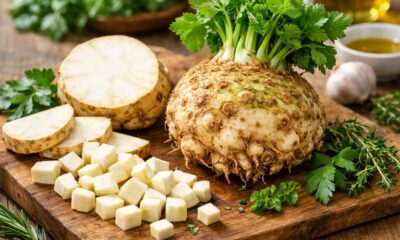
Pravi Celer: Benefits, Uses, and How to Add It to Your Daily Diet
-

 Technology4 months ago
TabooTube: What It Is, How It Works, and Whether It’s Worth Your Time
-

 Technology7 months ago
Top Features of ProgramGeeks Social You Didn’t Know About
-

 Education4 months ago
Soutaipasu Explained: Meaning, Uses, and Why It’s Gaining Attention