
Travel
Luxury Vacation Rental Guidebook Criteria: The Ultimate Host & Property Owner Guide


Introduction
Creating an exceptional guest experience starts long before check-in. That’s where understanding the luxury vacation rental guidebook criteria becomes essential. A well-crafted guidebook does more than provide instructions—it elevates your brand, reduces guest confusion, and enhances reviews.
Whether you manage a high-end villa, boutique apartment, or premium Airbnb, your guidebook acts as your silent concierge. In this guide, you’ll learn exactly what to include, how to structure it, and how to turn it into a powerful guest experience tool.
What Is a Luxury Vacation Rental Guidebook?
A luxury vacation rental guidebook is a curated resource that provides guests with everything they need to enjoy their stay seamlessly.
Key Purpose of a Guidebook
- Provide clear property instructions
- Recommend local experiences
- Showcase premium amenities
- Reduce repetitive guest questions
- Enhance guest satisfaction
Unlike standard rental manuals, luxury guidebooks focus on experience, personalization, and ease.
Essential Luxury Vacation Rental Guidebook Criteria
To stand out in a competitive market, your guidebook must meet specific standards.
Core Criteria Breakdown
| Criteria | Description | Why It Matters |
|---|---|---|
| Clarity | Simple, easy-to-follow instructions | Prevents guest confusion |
| Design | Clean, premium visual layout | Reflects property quality |
| Personalization | Tailored local recommendations | Enhances guest experience |
| Accessibility | Available digitally and offline | Improves usability |
| Completeness | Covers all essential information | Reduces support requests |
Must-Have Sections
Property Information
- Wi-Fi details
- Appliance instructions
- House rules
- Safety guidelines
Check-In & Check-Out Process
- Step-by-step instructions
- Parking details
- Key access or smart lock guide
Local Recommendations
- Restaurants
- Attractions
- Hidden gems
Emergency Contacts
- Local hospitals
- Property manager
- Emergency services
Designing a High-End Guest Experience
A guidebook should feel like part of the luxury experience—not an afterthought.
Elements That Elevate Your Guidebook
- Professional photography
- Elegant typography
- Consistent branding
- Concise but helpful content
Digital vs Printed Guidebooks
| Format | Benefits | Drawbacks |
|---|---|---|
| Digital Guidebook | Easy updates, interactive links | Requires device access |
| Printed Guidebook | Tangible luxury feel | Harder to update |
| Hybrid Approach | Best of both worlds | Requires extra setup |
Most luxury hosts now use a hybrid model to deliver both convenience and sophistication.
How to Structure Your Guidebook for Maximum Impact
A well-structured guidebook improves readability and guest satisfaction.
Recommended Structure
Welcome Message
Start with a warm, personalized introduction.
Quick Start Section
Provide essential info at a glance:
- Wi-Fi password
- Contact info
- Check-out instructions
Detailed Property Guide
Break down each area:
- Kitchen
- Living room
- Outdoor space
Local Area Guide
Highlight curated experiences.
FAQ Section
Answer common questions proactively.
Local Recommendations That Impress Guests
Luxury guests expect insider knowledge, not generic suggestions.
What to Include
- Fine dining restaurants
- Private tours
- Spa and wellness centers
- Unique local experiences
Example Recommendation Framework
| Category | Example | Why Guests Love It |
|---|---|---|
| Dining | Michelin-star restaurant | Premium experience |
| Activities | Private yacht tour | Exclusive and memorable |
| Relaxation | Luxury spa | High-end comfort |
Adding personal touches like “host favorites” makes recommendations feel authentic.
Best Practices for Creating a Luxury Guidebook
Creating a guidebook isn’t just about information—it’s about presentation and usability.
Proven Best Practices
- Keep language simple and friendly
- Use bullet points for clarity
- Update information regularly
- Include visuals where helpful
- Ensure mobile-friendly access
Pro Tip
Think of your guidebook as a concierge replacement. Every question it answers saves you time.
Common Mistakes to Avoid
Even experienced hosts overlook key details.
Frequent Errors
- Overloading with too much text
- Using outdated information
- Ignoring design and layout
- Missing emergency details
- Not tailoring to the target guest
Avoiding these mistakes can significantly improve guest satisfaction and reviews.
Pros and Cons of Luxury Guidebooks
Pros
- Enhances guest experience
- Reduces repetitive communication
- Builds brand identity
- Improves reviews and ratings
Cons
- Requires initial setup time
- Needs regular updates
- Can become outdated quickly
Practical Example: A Perfect Guest Journey
Imagine a guest arriving at your property:
- They receive a digital guidebook before arrival
- They quickly access Wi-Fi and check-in instructions
- They browse curated dining recommendations
- They enjoy a seamless, stress-free stay
This is exactly what strong luxury vacation rental guidebook criteria help you achieve.
Conclusion
A well-designed guidebook is one of the most powerful tools in luxury vacation rental management. By focusing on clarity, design, personalization, and usability, you can transform a simple document into a premium guest experience.
When done right, your guidebook doesn’t just inform—it impresses, delights, and builds loyalty.
FAQs
1. What should a luxury vacation rental guidebook include?
It should include property instructions, local recommendations, emergency contacts, and check-in details.
2. Are digital guidebooks better than printed ones?
Digital guidebooks are easier to update, but printed versions add a luxury touch. A hybrid approach works best.
3. How often should I update my guidebook?
At least every 3–6 months or whenever key information changes.
4. Why is a guidebook important for vacation rentals?
It improves guest experience, reduces questions, and increases positive reviews.
5. Can a guidebook improve Airbnb ratings?
Yes, a clear and helpful guidebook can significantly boost guest satisfaction and ratings.
You May Also Read: Miami Florida Verenigde Staten Nightlife Guide: Best Clubs, Restaurants, and Late-Night Experiences
Introduction
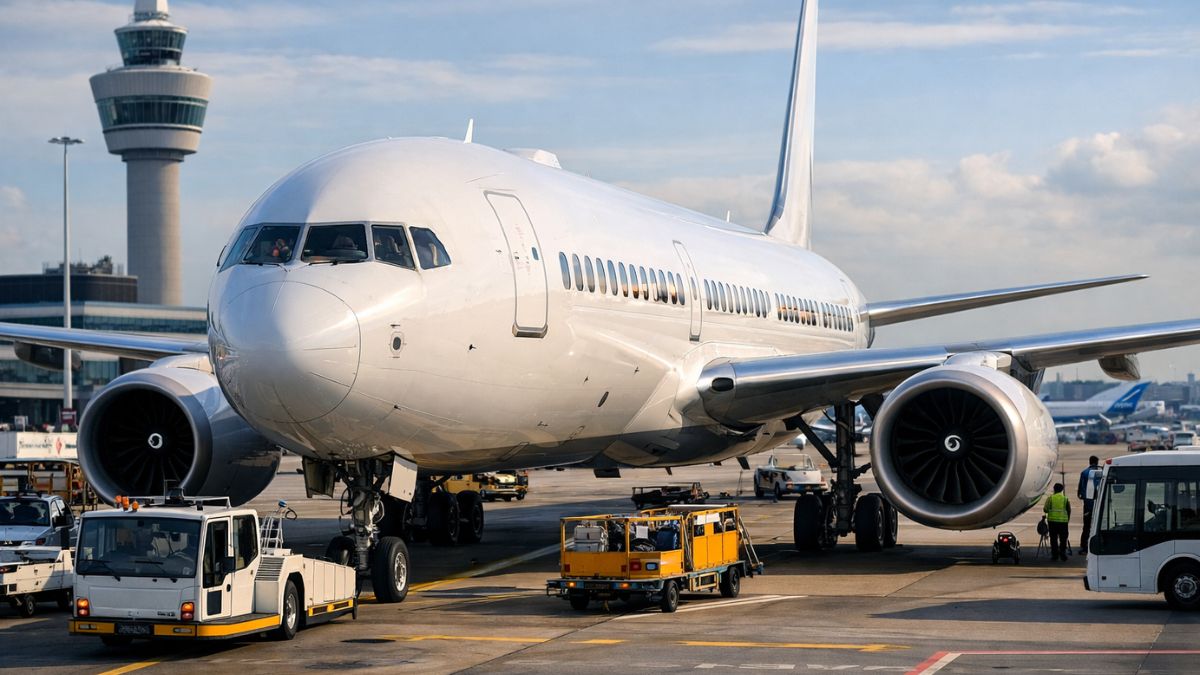
The recent delta dl139 venice atlanta diversion amsterdam incident has sparked curiosity among travelers and aviation enthusiasts alike. When a long-haul flight suddenly changes course, it raises important questions about safety, passenger experience, and airline protocols. While diversions are not uncommon in aviation, each case offers valuable insights into how airlines manage unexpected situations.
In this article, we’ll break down what likely happened, why flights divert, and what it means for passengers. Whether you’re a frequent flyer or planning your next trip, understanding these scenarios can help you travel smarter and with greater confidence.
What Happened During the Delta DL139 Diversion?
Delta Flight DL139 was scheduled to operate from Venice to Atlanta—a standard transatlantic route. However, the aircraft was diverted to Amsterdam mid-flight, causing delays and confusion among passengers.
Possible Reasons Behind the Diversion
While official reports may vary, flight diversions typically occur due to:
- Medical emergencies onboard
- Technical or mechanical concerns
- Weather disruptions
- Air traffic control restrictions
- Security-related issues
In most cases, safety is the top priority. Pilots and airline operations teams work together to choose the safest and most efficient alternative airport.
You May Like: United Airlines Flight UA770 Emergency Diversion: What Happened and What It Means for Air Travel Safety
Why Flights Get Diverted: A Clear Breakdown
Understanding the reasons behind flight diversions helps remove uncertainty. Here’s a simplified overview:
Common Causes of Flight Diversions
| Reason for Diversion | Description | Frequency |
|---|---|---|
| Medical Emergency | Passenger or crew health issue | High |
| Technical Issue | Mechanical checks or warning alerts | Medium |
| Weather Conditions | Storms, turbulence, or visibility problems | High |
| Airport Congestion | Overcrowded destination airport | Medium |
| Security Concerns | Suspicious activity or threats | Low |
These situations are handled with strict protocols to ensure passenger safety at all times.
Why Amsterdam Was Chosen as the Diversion Airport
Amsterdam Schiphol Airport is one of Europe’s major aviation hubs. It’s often selected as a diversion point for several reasons:
Key Advantages of Amsterdam Airport
- Long runways suitable for large aircraft
- Advanced medical and emergency facilities
- Strong airline partnerships and logistics
- Efficient passenger handling systems
Strategic Location
| Factor | Benefit |
|---|---|
| Central Europe | Easy rerouting for transatlantic flights |
| Major Hub | High availability of support services |
| Delta Partnerships | Seamless passenger rebooking options |
This makes Amsterdam a logical and safe choice during unexpected flight disruptions.
What Passengers Experience During a Diversion
If you were onboard during the delta dl139 venice atlanta diversion amsterdam, your experience likely followed a structured process.
Step-by-Step Passenger Experience
- Pilot Announcement
Clear communication explaining the diversion - Landing at Alternate Airport
Safe and controlled landing - Ground Assistance
Airline staff coordinate next steps - Rebooking or Accommodation
Passengers are rebooked or provided hotel stays - Continuation of Journey
Flights resume once issues are resolved
Passenger Rights During Flight Diversions
Passengers often wonder what they’re entitled to during disruptions.
Key Rights You Should Know
- Meals and refreshments during long delays
- Hotel accommodation if overnight stay is required
- Alternative flight arrangements
- Compensation (depending on EU regulations and cause)
EU Passenger Rights Overview
| Situation | Passenger Entitlement |
|---|---|
| Delay over 3 hours | Possible compensation |
| Overnight delay | Hotel + meals provided |
| Flight cancellation | Refund or rebooking |
| Diversion within EU | Full assistance required |
Since Amsterdam falls within the EU, passengers on diverted flights may benefit from strong consumer protections.
How Airlines Handle Diversions Behind the Scenes
Airlines like Delta operate with highly coordinated systems to manage unexpected events.
Behind-the-Scenes Operations
- Flight operations teams analyze real-time data
- Maintenance crews prepare for inspections
- Customer service teams arrange accommodations
- Logistics teams manage aircraft turnaround
This coordination ensures minimal disruption despite the unexpected change.
You May Like: EasyJet Flight U2238 Emergency Landing Newcastle: What Really Happened?
Pros and Cons of Flight Diversions
Pros
- Ensures maximum safety
- Prevents potential in-flight emergencies
- Access to better medical or technical facilities
- Protects passengers and crew
Cons
- Travel delays and missed connections
- Passenger inconvenience
- Additional costs for airlines
- Temporary confusion or stress
Common Mistakes Travelers Make During Diversions
Even seasoned travelers can make errors during unexpected disruptions.
Avoid These Mistakes
- Ignoring airline announcements
- Not checking updated flight details
- Leaving the airport without confirmation
- Failing to keep receipts for reimbursement
- Panicking instead of staying informed
Best Practices for Handling Flight Diversions
Being prepared can make a huge difference.
Smart Travel Tips
- Always carry essentials in your hand luggage
- Keep your phone charged
- Use airline apps for real-time updates
- Stay near the gate for announcements
- Know your passenger rights
Quick Preparation Checklist
| Item | Why It Matters |
|---|---|
| Portable charger | Stay connected |
| Travel documents | Needed for rebooking |
| Snacks | Useful during delays |
| Change of clothes | Helpful for overnight disruptions |
| Travel insurance | Covers unexpected costs |
Real-Life Example: How Diversions Are Resolved
Let’s imagine a typical resolution scenario similar to the DL139 case:
- Aircraft lands safely in Amsterdam
- Engineers inspect the plane
- Passengers receive meal vouchers
- Some travelers are rebooked on partner flights
- Others continue once the issue is resolved
This process, while inconvenient, ensures safety and efficiency.
Conclusion
The delta dl139 venice atlanta diversion amsterdam situation highlights how aviation systems prioritize safety above all else. While diversions can disrupt travel plans, they are a sign that airlines are taking proactive steps to protect passengers.
By understanding how diversions work and knowing your rights, you can navigate these situations with confidence. Next time you hear about a flight diversion, you’ll know it’s all part of keeping air travel as safe as possible.
FAQs
1. Why was Delta DL139 diverted to Amsterdam?
Flights are usually diverted due to medical, technical, or weather-related reasons to ensure passenger safety.
2. Do passengers get compensation for diverted flights?
It depends on the cause and applicable laws, especially EU regulations.
3. Is Amsterdam a common diversion airport?
Yes, due to its location, facilities, and capacity to handle large aircraft.
4. What should I do if my flight is diverted?
Stay calm, follow airline instructions, and monitor updates via official channels.
5. Can I claim expenses during a diversion?
Yes, keep receipts for meals, transport, or accommodation if not provided.
You May Also Read: Delta Flight DL275 Diverted LAX: What Happened, Why Flights Get Diverted, and What Passengers Should Know
News
United Airlines Flight UA770 Emergency Diversion: What Happened and What It Means for Air Travel Safety
Introduction
The aviation world was recently shaken by the united airlines flight ua770 emergency diversion, a situation that quickly drew attention from passengers, aviation experts, and the general public. While emergency diversions are not uncommon in aviation, each incident raises important questions about safety, procedures, and passenger experience.
In this article, we’ll break down exactly what happened, why emergency diversions occur, and what this specific incident reveals about modern airline safety systems. Whether you’re a frequent flyer or just curious, this guide will give you clear, reliable insights.
What Happened During the United Airlines Flight UA770 Emergency Diversion
The united airlines flight ua770 emergency diversion involved a mid-flight situation that required the aircraft to change its route and land at an alternate airport. Although initial reports varied, the airline confirmed that the diversion was carried out as a precautionary measure.
Key Details of the Incident
- The flight was operating on a scheduled route
- A technical or safety concern arose mid-air
- Pilots followed standard emergency protocols
- The aircraft safely landed at a nearby airport
- Passengers were assisted and rebooked afterward
Why Diversions Happen
Emergency diversions can occur for several reasons, including:
- Mechanical issues
- Medical emergencies onboard
- Severe weather conditions
- Security concerns
- Unexpected operational challenges
Even minor irregularities can trigger a diversion because airlines prioritize safety above all else.
Common Causes of Emergency Flight Diversions
Mechanical and Technical Issues
Aircraft are highly complex machines. Even a minor warning signal can lead to precautionary action.
Medical Emergencies
Passengers or crew members experiencing health issues can force an unscheduled landing.
Weather Conditions
Storms, turbulence, or low visibility can make it unsafe to continue the planned route.
Security Concerns
Unusual passenger behavior or potential threats are taken seriously.
Breakdown of Diversion Triggers
| Cause Type | Description | Frequency Level |
|---|---|---|
| Mechanical Issues | Engine alerts, system warnings | Medium |
| Medical Emergencies | Passenger or crew illness | High |
| Weather Disruptions | Storms, turbulence, visibility issues | High |
| Security Concerns | Suspicious activity onboard | Low |
This table highlights that not all diversions are due to mechanical failures—many are actually driven by passenger-related situations.
You May Like: EasyJet Flight U2238 Emergency Landing Newcastle: What Really Happened?
How Airlines Handle Emergency Diversions
When a diversion is required, airlines follow strict international aviation protocols. The process is carefully coordinated between pilots, air traffic control, and ground teams.
Step-by-Step Diversion Process
- Issue Identification – Pilots detect a problem
- Risk Assessment – Evaluate severity and options
- Decision Making – Choose nearest suitable airport
- Communication – Inform passengers and crew
- Safe Landing – Execute emergency or priority landing
- Post-Landing Support – Assist passengers and resolve issue
Safety Protocol Overview
| Step | Action Taken | Responsible Party |
|---|---|---|
| Detection | System alert or observation | Flight Crew |
| Coordination | Contact air traffic control | Pilots + ATC |
| Diversion Decision | Select alternate airport | Pilot-in-command |
| Landing | Priority landing procedures | Airport Authorities |
| Passenger Care | Rebooking, support, communication | Airline Ground Staff |
These steps ensure that even in unexpected situations, everything remains controlled and safe.
Passenger Experience During an Emergency Diversion
For passengers, an emergency diversion can feel stressful. However, airlines are trained to keep everyone calm and informed.
What Passengers Typically Experience
- Announcement from the captain
- Possible change in flight path
- Calm instructions from cabin crew
- Priority landing at alternate airport
- Ground assistance after landing
Practical Example
Imagine you’re halfway through a flight when the captain announces a diversion. While it may sound alarming, in most cases, it’s simply a precaution. The aircraft is not necessarily in danger—it’s just the safest decision at the time.
Pros and Cons of Emergency Diversions
Pros
- Ensures passenger safety
- Prevents potential risks from escalating
- Demonstrates strong safety protocols
- Allows quick response to unexpected issues
Cons
- Travel delays and inconvenience
- Missed connections
- Emotional stress for passengers
- Additional operational costs for airlines
Despite the downsides, safety always outweighs inconvenience.
Common Mistakes People Make When Hearing About Flight Diversions
Assuming Immediate Danger
Many people believe a diversion means a near-crash situation. In reality, most diversions are precautionary.
Ignoring Airline Safety Standards
Airlines follow strict global regulations. Diversions are part of standard safety procedures.
Overreacting to Media Reports
Early reports can sometimes exaggerate the severity of incidents.
Best Practices for Passengers During Flight Diversions
Stay Calm and Listen
Always follow crew instructions—they are trained for these situations.
Keep Essentials Accessible
Have important items like medication or documents within reach.
Be Flexible with Plans
Diversions can cause delays, so adaptability is key.
Ask Questions Politely
Crew members are there to help and provide updates.
How This Incident Reflects Modern Aviation Safety
The united airlines flight ua770 emergency diversion highlights how far aviation safety has come. Modern aircraft are equipped with advanced monitoring systems, and pilots undergo rigorous training.
Key Safety Strengths
- Real-time aircraft diagnostics
- Highly trained flight crews
- Strong communication systems
- Global aviation regulations
Safety vs Risk Perspective
| Factor | Reality | Public Perception |
|---|---|---|
| Diversions | Preventive safety action | Emergency crisis |
| Aircraft Systems | Highly advanced and monitored | Prone to failure |
| Pilot Training | Extensive and continuous | Underestimated |
This contrast shows how misconceptions can differ from reality.
Conclusion
The united airlines flight ua770 emergency diversion serves as a powerful reminder that aviation safety is built on proactive decision-making. While diversions may disrupt travel plans, they ultimately protect passengers and crew.
Understanding how and why these situations occur can help reduce fear and build confidence in air travel. Next time you hear about a diversion, remember—it’s usually a sign that the system is working exactly as it should.
FAQs
1. What caused the United Airlines Flight UA770 emergency diversion?
The diversion was triggered by a safety-related concern, likely precautionary, ensuring passenger safety.
2. Are emergency diversions dangerous?
Not necessarily. Most are preventive measures rather than responses to immediate danger.
3. How often do flight diversions happen?
They are relatively rare but occur regularly enough as part of standard aviation safety practices.
4. What happens to passengers after a diversion?
Passengers are typically assisted, rebooked, or accommodated by the airline.
5. Can passengers get compensation for diverted flights?
It depends on the reason for the diversion and airline policies.
You May Also Read: Delta Flight DL275 Diverted LAX: What Happened, Why Flights Get Diverted, and What Passengers Should Know
Introduction
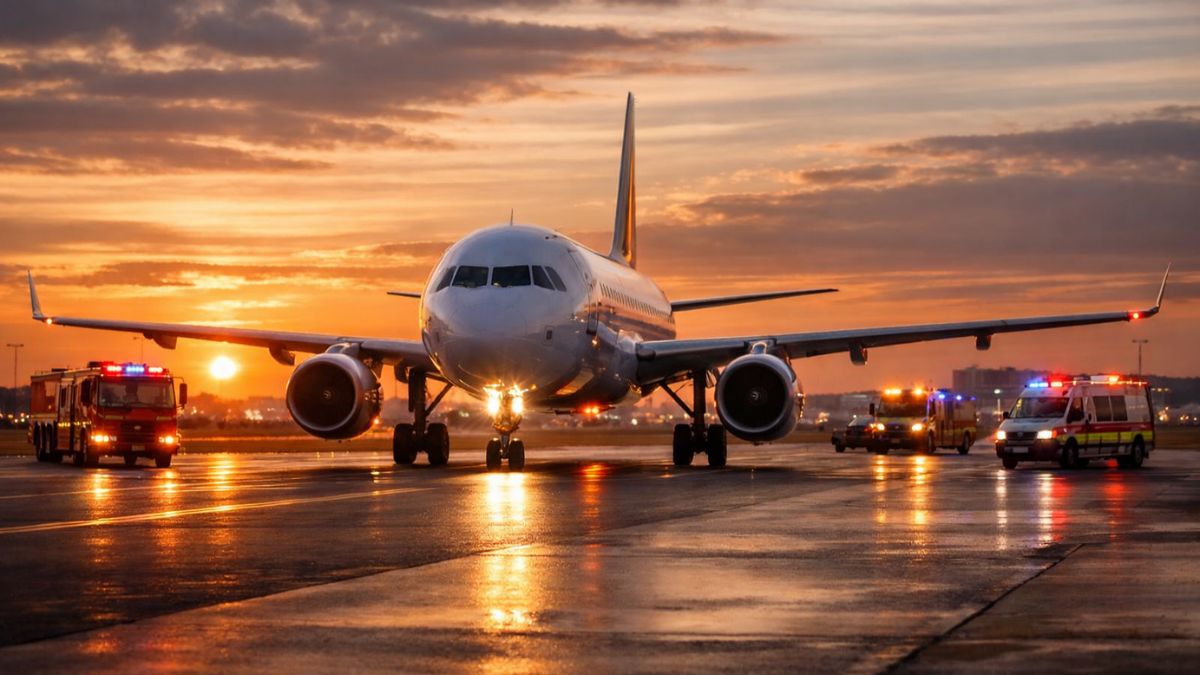
The easyjet flight u2238 emergency landing newcastle incident has sparked widespread attention among travelers and aviation enthusiasts alike. Sudden aircraft diversions can be alarming, but they are also a strong reminder of how safety protocols in aviation work effectively when needed most.
In this article, we’ll break down what happened, why emergency landings occur, and what passengers should know. We’ll also explore how airlines like EasyJet manage such situations and what lessons can be learned from this event.
What Happened on EasyJet Flight U2238?
The incident involving EasyJet Flight U2238 unfolded mid-journey when the aircraft was forced to divert and perform an emergency landing at Newcastle Airport.
While initial reports suggested a potential technical issue, the situation was handled swiftly by the flight crew. The aircraft landed safely, and passengers were escorted without harm.
Key Details of the Incident
| Aspect | Information |
|---|---|
| Flight Number | U2238 |
| Airline | EasyJet |
| Emergency Location | Newcastle Airport |
| Outcome | Safe landing, no injuries |
| Likely Cause | Technical or precautionary issue |
Although investigations may continue, early insights suggest that the crew followed standard aviation procedures to ensure passenger safety.
Why Do Emergency Landings Happen?
Emergency landings are more common than many people think, and they are often precautionary rather than dangerous.
Common Reasons for Emergency Landings
- Mechanical or technical faults
- Medical emergencies onboard
- Cabin pressure issues
- Weather-related risks
- Smoke or unusual smells in the cabin
Quick Definition
An emergency landing is a precautionary or urgent aircraft landing performed when a potential risk threatens passenger safety or aircraft performance.
In most cases, these landings are controlled and planned, not chaotic.
You May Like: United Airlines Flight UA770 Emergency Diversion: What Happened and What It Means for Air Travel Safety
How Airlines Handle Emergency Situations
Airlines follow strict international aviation safety standards. When something unusual occurs, pilots are trained to act immediately and decisively.
Step-by-Step Emergency Response
- Identify the issue
- Communicate with air traffic control
- Prepare passengers and crew
- Divert to nearest safe airport
- Execute controlled landing
Emergency Response Breakdown
| Step | Action Taken | Purpose |
|---|---|---|
| Detection | Crew identifies issue | Early intervention |
| Communication | Contact ATC | Coordination |
| Diversion | Choose nearest airport | Safety priority |
| Landing | Controlled descent | Risk minimization |
| Assistance | Emergency services ready | Passenger support |
This structured approach ensures that even unexpected events are handled professionally.
Passenger Experience During the Incident
For passengers onboard EasyJet Flight U2238, the experience was likely tense but controlled.
What Passengers Typically Notice
- Calm announcements from crew
- Slight changes in flight path
- Emergency vehicles visible upon landing
- Quick disembarkation process
Despite initial anxiety, many passengers often report feeling reassured by the crew’s professionalism.
Safety Measures That Made a Difference
One of the most important takeaways from the easyjet flight u2238 emergency landing newcastle event is how effective aviation safety systems are.
Key Safety Features in Modern Aircraft
- Advanced diagnostic systems
- Redundant mechanical systems
- Highly trained pilots and crew
- Real-time communication with ground teams
Safety Systems Overview
| Safety Feature | Function | Benefit |
|---|---|---|
| Backup Systems | Redundancy | Prevent failure escalation |
| Pilot Training | Simulation-based | Quick decision-making |
| ATC Support | Ground coordination | Efficient routing |
| Maintenance Protocols | Regular checks | Risk prevention |
These systems work together to ensure passenger safety remains the top priority.
Pros and Cons of Emergency Landings
Pros
- Prevents escalation of potential risks
- Demonstrates strong safety protocols
- Protects passengers and crew
- Allows early intervention
Cons
- Causes travel delays
- Creates temporary panic among passengers
- May lead to logistical disruptions
- Requires additional inspections
Overall, the benefits far outweigh the drawbacks.
Common Mistakes Passengers Make in Emergencies
Even though airlines handle situations professionally, passengers sometimes react in ways that can complicate matters.
Avoid These Mistakes
- Ignoring crew instructions
- Panicking unnecessarily
- Using phones during critical moments
- Standing up before instructed
Better Approach
- Stay calm
- Listen carefully
- Follow instructions
- Trust the crew
Your behavior can contribute to a smoother and safer experience.
Best Practices for Travelers
Being prepared—even mentally—can make a big difference.
Smart Travel Tips
- Always listen to safety briefings
- Note emergency exits nearby
- Keep essentials accessible
- Stay aware but not anxious
Practical Example
If a passenger on Flight U2238 followed crew instructions calmly, they likely experienced minimal stress compared to someone who panicked.
How This Incident Impacts Airline Reputation
Incidents like this can initially raise concerns, but they often reinforce trust when handled well.
Positive Impact Factors
- Safe landing outcome
- Transparent communication
- Efficient passenger care
Airlines that prioritize safety typically gain long-term trust from passengers.
What Happens After an Emergency Landing?
After the aircraft lands safely, several procedures follow.
Post-Landing Process
- Aircraft inspection
- Passenger assistance
- Rebooking or compensation
- Official investigation
These steps ensure accountability and continuous improvement.
Conclusion
The easyjet flight u2238 emergency landing newcastle situation highlights how well-prepared modern aviation systems are. While unexpected, such incidents are managed with precision, training, and passenger safety as the top priority.
Rather than being a cause for fear, this event serves as reassurance that aviation safety measures work exactly as intended.
FAQs
1. What caused EasyJet Flight U2238 to land in Newcastle?
The exact cause may vary, but it was likely a precautionary technical issue handled by the crew.
2. Was anyone injured during the emergency landing?
No, reports indicate that all passengers and crew were safe.
3. Are emergency landings dangerous?
Most are precautionary and controlled, making them generally safe.
4. How often do emergency landings happen?
They are relatively rare but not unusual in aviation.
5. What should passengers do during an emergency landing?
Stay calm, follow instructions, and trust the flight crew.
You May Also Read: Delta Flight DL275 Diverted LAX: What Happened, Why Flights Get Diverted, and What Passengers Should Know
-

 Business2 days ago
Understanding the Idaho Policy Institute Formal Eviction Rate 2020 Shoshone County: Housing Stability Insights
-

 Technology4 weeks ago
Top Features of ProgramGeeks Social You Didn’t Know About
-

 Art2 days ago
Unveiling the Impact of Pedro Vaz Paulo on Modern Art and Culture
-

 Topic2 days ago
Discovering the Majestic Champion Trees Near Lewis Center Ohio: A Nature Lover’s Guide
-

 Travel4 weeks ago
Miami Florida Verenigde Staten Nightlife Guide: Best Clubs, Restaurants, and Late-Night Experiences
-

 Business2 days ago
Unlocking Business Potential: How Pedrovazpaulo Operations Consulting Transforms Organizations
-

 Technology4 weeks ago
Understanding 192.168.0..21: Your Gateway to Local Network Management
-

 Sports2 days ago
AC Milan vs SSC Bari Timeline: Complete History, Key Matches, and Rivalry Moments