
Travel
India Time Explained: IST, Time Zones, UTC Offset, and Smart Time Conversion Tips

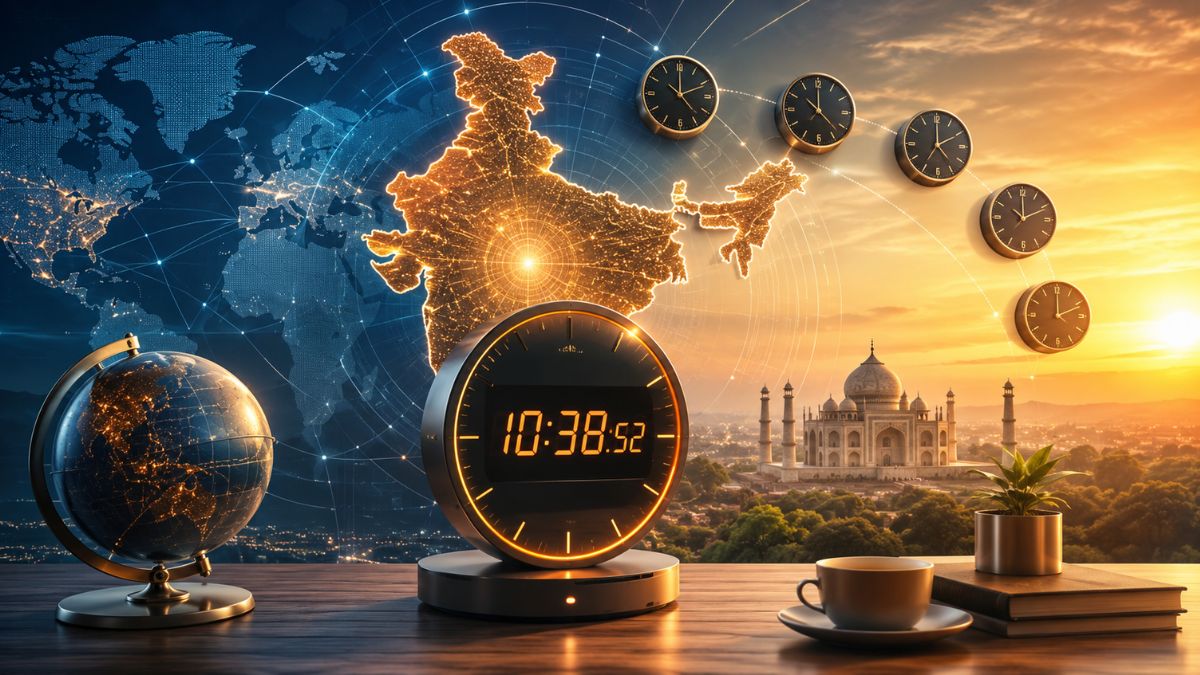
India time plays a major role in business, travel, communication, and global collaboration. Whether you are scheduling an international meeting, planning a trip, trading in global markets, or simply talking to someone abroad, understanding India’s official time zone can save confusion and prevent costly mistakes.
India follows a single national time zone called Indian Standard Time (IST). Unlike some large countries that use multiple time zones, India keeps one standard time across all states and territories. This approach helps maintain consistency for transportation, government operations, education, and business communication.
In this guide, you will learn how India time works, why IST matters globally, how it compares with other countries, and the best ways to convert time accurately.
What Is India Time?
India time refers to Indian Standard Time (IST), the official time observed throughout India.
IST is:
- UTC +5:30
- Based on the 82.5° East longitude
- Managed by the National Physical Laboratory of India
- Used uniformly across the country
Unlike many countries, India does not observe daylight saving time. That means the time remains constant throughout the year.
Definition
Indian Standard Time is the official time zone used in India and is 5 hours and 30 minutes ahead of Coordinated Universal Time (UTC).
This makes India one of the few countries using a half-hour offset instead of a full-hour difference.
Why India Uses a Single Time Zone
India stretches across a large geographical area from east to west. Despite this, the country operates under one unified time zone.
Reasons for a Single Time Zone
- Easier railway scheduling
- Consistent government operations
- Simplified communication
- Unified broadcasting schedules
- Better national coordination
Although sunrise and sunset vary significantly between eastern and western India, maintaining one standard time has been considered more practical.
Historical Background of India Time
Before independence, India used different local times, including:
| Historical Time Zone | Region Used | Status |
|---|---|---|
| Bombay Time | Mumbai region | Discontinued |
| Calcutta Time | Kolkata region | Discontinued |
| Madras Time | Southern India | Replaced by IST |
IST officially became the national standard after independence to unify the country’s timekeeping system.
Understanding the UTC Offset of India Time
UTC stands for Coordinated Universal Time, the global standard for measuring time.
India operates at:
IST = UTC +5:30
This means when it is:
| UTC Time | India Time |
|---|---|
| 12:00 AM | 5:30 AM |
| 6:00 AM | 11:30 AM |
| 12:00 PM | 5:30 PM |
| 6:00 PM | 11:30 PM |
This half-hour difference often surprises international travelers and remote workers.
Why the 30-Minute Offset Exists
India chose UTC +5:30 because the standard meridian passes through central India near Mirzapur in Uttar Pradesh. This provided a balanced national time for the entire country.
India Time Compared With Major Global Time Zones
Global businesses frequently compare India time with major financial and technology hubs.
Time Difference Comparison
| City | Time Zone | Difference From IST |
|---|---|---|
| New York | EST/EDT | IST is ahead by 9.5–10.5 hours |
| London | GMT/BST | IST is ahead by 4.5–5.5 hours |
| Dubai | GST | IST is ahead by 1.5 hours |
| Singapore | SGT | Singapore is ahead by 2.5 hours |
| Sydney | AEST | Sydney is ahead by 4.5 hours |
These differences become especially important for:
- Online meetings
- International customer support
- Forex trading
- Remote work
- Flight scheduling
Best Times for International Meetings
When coordinating across countries, timing matters.
| Region | Ideal Meeting Time in IST |
|---|---|
| United States | 6:30 PM – 10:00 PM |
| United Kingdom | 1:30 PM – 5:00 PM |
| Middle East | 11:00 AM – 3:00 PM |
| Australia | 6:00 AM – 9:00 AM |
Choosing overlapping work hours improves communication and productivity.
How India Time Affects Daily Life
India time influences almost every aspect of daily operations across the country.
Transportation
Railways, airlines, and metro systems rely entirely on IST for scheduling.
A single time zone helps reduce confusion for millions of travelers every day.
Digital Communication
Businesses operating internationally often use IST in:
- Email signatures
- Zoom meetings
- Project management tools
- Customer support operations
Financial Markets
Indian stock exchanges follow IST schedules.
Major market timings include:
- NSE opening: 9:15 AM IST
- NSE closing: 3:30 PM IST
International traders regularly convert India time to their local time zones.
India Time and Daylight Saving Time
One important feature of India time is that it never changes seasonally.
India Does Not Use Daylight Saving Time
Countries like the United States and parts of Europe adjust clocks during summer months. India does not.
Benefits of No DST
- No clock adjustment confusion
- Stable schedules year-round
- Easier software synchronization
- Better consistency for businesses
This consistency makes India attractive for global outsourcing and remote operations.
How to Convert India Time Easily
Time conversion becomes essential when working with international clients or planning travel.
Simple Conversion Formula
To convert UTC to IST:
Add 5 hours and 30 minutes.
Example:
- 10:00 AM UTC = 3:30 PM IST
Tips for Accurate Time Conversion
- Use world clock apps
- Double-check daylight saving changes abroad
- Schedule meetings using UTC references
- Avoid manual calculations during DST periods
Useful Time Conversion Tools
Popular platforms include:
- Google World Clock
- Timeanddate
- Outlook Calendar
- Google Calendar
- Smartphone clock apps
These tools automatically adjust for regional time changes.
Common Mistakes People Make With India Time
Even experienced travelers and professionals make errors when handling time zones.
1. Forgetting the Half-Hour Offset
Many assume all time zones use full-hour differences.
IST uses a 30-minute offset, which can cause scheduling mistakes.
2. Ignoring Daylight Saving Time Abroad
India does not change clocks, but other countries do.
As a result, time differences with India can vary throughout the year.
3. Mixing AM and PM
International meetings often fail because of incorrect AM/PM scheduling.
Always confirm the format before finalizing appointments.
4. Assuming Multiple Time Zones Exist in India
Despite its large size, India follows one standard time nationwide.
Best Practices for Managing India Time Internationally
Managing time effectively improves productivity and communication.
Recommended Best Practices
- Use calendar apps with automatic time conversion
- Include IST labels in meeting invitations
- Confirm time zones before flights
- Schedule buffer time between international calls
- Use 24-hour format for professional communication
Smart Scheduling Strategy
For global teams, consider rotating meeting times so one region is not always inconvenienced.
This improves team collaboration and fairness.
Pros and Cons of India’s Single Time Zone
Like any system, India’s unified time structure has advantages and disadvantages.
Pros
- Simplified national coordination
- Easier travel scheduling
- Consistent communication
- Efficient broadcasting systems
- Reduced operational confusion
Cons
- Early sunrise in eastern states
- Late sunset in western regions
- Potential productivity differences
- Higher energy usage in some areas
Despite debates, IST remains the official nationwide standard.
India Time in Technology and Remote Work
India has become a major global technology and outsourcing hub.
As remote work grows, IST is increasingly recognized worldwide.
Why IST Matters in Global Business
International companies often maintain:
- Offshore development teams
- Customer support centers
- Technical operations
- Virtual assistant services
Understanding India time helps companies coordinate efficiently with distributed teams.
Growing Importance of IST
India’s expanding role in technology, startups, and digital services continues to increase global familiarity with IST.
Many international professionals now regularly schedule their calendars around India time.
Frequently Asked Questions About India Time
What is the current India time zone called?
India uses Indian Standard Time (IST).
Is India always 5 hours and 30 minutes ahead of UTC?
Yes, India remains UTC +5:30 throughout the year.
Does India have daylight saving time?
No, India does not observe daylight saving time.
Why does India use only one time zone?
A single time zone simplifies transportation, communication, and national coordination.
How do I convert my local time to India time?
Use a world clock or add/subtract the difference between your local time zone and IST.
Conclusion
India time is more than just a clock setting. It supports national coordination, global business operations, travel systems, and digital communication across industries.
Because India uses a stable UTC +5:30 offset without daylight saving adjustments, IST remains predictable and reliable year-round. Whether you are traveling, managing remote teams, trading internationally, or scheduling meetings, understanding India time can improve efficiency and prevent confusion.
As India’s influence in technology, business, and global services continues to grow, IST will remain an important reference point for millions worldwide.
/ You May Also Read /
To Visit Vuzillfotsps: A Complete Guide to Planning the Perfect Trip
Miami Florida Verenigde Staten Nightlife Guide: Best Clubs, Restaurants, and Late-Night Experiences
Discover Severna Dakota: Travel Guide, Hidden Gems, and Essential Tips
Luxury Vacation Rental Guidebook Criteria: The Ultimate Host & Property Owner Guide


Banff guided tours are one of the simplest ways to explore the Canadian Rockies without spending hours planning routes, transportation, and parking. Visitors can focus on the scenery while an experienced local handles the details.
This is especially helpful for first-time travelers who want to see several major sights within a limited schedule. A well-organized tour can cover more ground while reducing the stress that often comes with navigating a busy national park.
Avoid Driving And Parking Problems
Driving through Banff National Park can be beautiful, but popular areas often become crowded during the summer, on weekends, and during holiday periods. Parking near major lakes, trails, and viewpoints may be limited or unavailable.
Most Banff guided tours include transportation from a central pickup point or hotel. This means guests do not need to rent a car, study unfamiliar roads, or search for parking at every stop.
Tour vehicles may also have access to designated drop-off areas that make it more convenient to move between attractions.
See More In Less Time
Banff covers a large area, and many attractions are spread far apart. Trying to visit several locations independently can involve long drives and careful timing.
Guided tours usually follow an organized route that reduces unnecessary travel. Depending on the itinerary, guests may visit places such as:
- Lake Louise
- Moraine Lake
- Bow Falls
- Johnston Canyon
- Lake Minnewanka
- Scenic mountain viewpoints
This structure helps travelers see important locations without feeling responsible for every part of the schedule.
Learn About The Area From A Local Guide
The Rockies are more meaningful when visitors understand what they are looking at. Guides often share useful information about the landscape, wildlife, local history, and national park rules.
They may also point out details that are easy to miss, such as animal tracks, unusual rock formations, or lesser-known viewpoints. Guests can ask questions throughout the day rather than relying solely on signs or travel apps.
Choose A Tour That Matches Your Travel Style
Every traveler has different preferences for how they want to explore. Some people prefer a comfortable sightseeing trip, while others want hiking, wildlife viewing, or photography opportunities.
Common tour options include:
- Half-day sightseeing trips
- Full-day lake tours
- Small-group experiences
- Private family tours
- Wildlife-focused outings
- Seasonal winter trips
When comparing Banff excursions, check the activity level, group size, length, and number of stops. This helps ensure the tour feels comfortable rather than rushed or physically demanding.
Reduce The Stress Of Changing Conditions
Mountain weather can change quickly, and road conditions may affect travel plans. Certain destinations also have seasonal restrictions, shuttle requirements, or temporary closures.
Local tour operators usually monitor these conditions and adjust routes when necessary. Visitors do not have to reorganize the entire day themselves if a stop becomes inaccessible.
Get Help With Timing And Practical Details
A guided itinerary provides clear departure times, meeting instructions, and expected return times. This makes it easier to plan meals, evening activities, and other parts of the trip.
Many tours also explain what guests should bring, including walking shoes, warm layers, water, and sun protection. Before booking, travelers should confirm whether park fees, meals, equipment, and hotel pickup are included in the price.
You May Also Read: Why Termite Control Is Critical for Preventing Hidden Structural Weak Points

Wrong parts usually become a problem after the repair has already started. The cowling is off, the old component is removed, and the replacement either does not line up, does not seal, or does not match the system you are working on.
Most of those mistakes are preventable. A good pre-repair process starts with the motor, the symptom, and the surrounding parts, not with a product photo that looks close enough.
How to Prepare Before Ordering Yamaha Replacement Parts
Start with the motor’s identity. When selecting Yamaha outboard parts, confirm the outboard model, horsepower, year, and any available model or serial details from the engine itself. Used boats, repowered boats, and older paperwork can all create confusion, so the motor should be the main reference.
Next, define the job by system. A fuel repair, cooling service, ignition issue, lower unit problem, electrical fault, and routine maintenance order all require a different approach. The failed component may be the reason you started looking, but it may not be the only item needed to finish the repair.
Before checkout, look at what surrounds the part:
- what seals it
- what connects to it
- what secures it
- what may wear out alongside it
That quick review catches many small items owners miss, including gaskets, O-rings, clamps, hoses, washers, connectors, and hardware. It also keeps the order tied to the repair, not just the visible failed part.
Why Wrong-Part Orders Happen So Often
Yamaha outboard components can look very similar across engines while still being different where it matters. A gasket may have a slightly different shape. A connector may not match. A hose may be the wrong diameter. A lower unit item may depend on configuration details that are not obvious in a photo.
Many wrong orders happen because the buyer starts with the part in hand instead of the full engine application. That is understandable. If a filter is clogged, a hose is cracked, or a seal is leaking, the natural reaction is to replace that item quickly. The problem is that Yamaha engines can vary by model family, horsepower, year range, and system layout.
Another common issue is diagnosing too narrowly. A fuel issue may involve the filter, but it may also involve hoses, clamps, fittings, or seals. A cooling problem may start with the impeller, but the housing, gaskets, key, or thermostat may also deserve attention. The first visible problem is not always the full repair.
| Repair area | Part owners usually notice first | Often missed before ordering |
| Fuel system | Filter, hose, primer bulb | Clamps, connectors, seals, old fuel lines |
| Cooling system | Impeller or thermostat | Gaskets, housing parts, key, water passage inspection |
| Ignition | Spark plugs, coil | Boots, connectors, wire condition |
| Lower unit | Gear lube, prop, seal | Drain gaskets, prop shaft area, water intrusion signs |
| Routine maintenance | Oil filter, plugs | Crush washers, small gaskets, lubricants |
The table is a reminder that the main part is only one piece of the job. A complete repair plan usually comes from checking the system around it.
The Five-Minute Pre-Repair Walkaround
Before ordering, inspect the repair area without taking the whole job apart. This short check can prevent both wrong parts and incomplete orders.
For fuel work, look at hose condition, filter housings, clamps, and signs of cracking or stiffness. For cooling service, check for salt buildup, old gasket material, worn housing surfaces, or symptoms of restricted water flow. For electrical and ignition concerns, inspect corrosion, loose connectors, battery condition, and damaged insulation before blaming one component.
Lower unit issues need a separate look. Check the gear lube condition, propeller, drain screw gaskets, seal areas, and any visible impact marks. Milky or metallic gear lube changes the repair conversation because it may point to water intrusion or internal wear.
This walkaround does not replace proper troubleshooting. It simply gives the order a better foundation before money is spent.
Common Reasons Orders Go Wrong
The same ordering mistakes show up again and again, especially during peak boating season when owners are trying to get back on the water quickly.
- Using a photo as proof of fit. Similar shape does not confirm the correct application.
- Checking horsepower but not model details. Horsepower alone is rarely enough.
- Forgetting single-use sealing parts. O-rings, drain gaskets, crush washers, and small seals are easy to overlook.
- Assuming Yamaha parts interchange across engines. Some do, many do not.
- Buying the obvious part without checking the system. Nearby wear items may be close to failing too.
None of these mistakes means the buyer was careless. They usually happen because the order was built too quickly.
Why a Pre-Repair Checklist Saves Time
A checklist is useful because boat repairs are often stopped by small things, not major parts. One missing gasket, clamp, washer, connector, or hose can delay the entire job.
It also helps avoid unnecessary replacement. If a starting problem is caused by a weak battery connection, replacing ignition parts will not solve it. If an overheating issue is caused by debris or a damaged pump housing, changing only the impeller may leave the problem in place.
A pre-repair checklist gives the order structure. It helps owners separate the symptom from the system, identify supporting parts early, and prepare for routine maintenance before the busiest part of the season.
Why the Cheapest Part Can Become the Expensive Choice
A low price does not help if the part does not fit or the repair cannot be completed. The real cost includes shipping, downtime, repeat labor, missed service appointments, and the frustration of taking the same area apart twice.
For Yamaha outboard owners, this matters most when boating time is limited. A wrong part can delay a weekend repair or leave the boat unused during the season. Even an inexpensive item can become costly if it stops the job.
The better buying decision is not always the largest order. It is the order that matches the full repair. If the job requires a filter, gasket, hose, clamp, and seal, buying only the filter is not really saving money. It is delaying the rest of the purchase until the engine is already open.
Yamaha Outboard Parts Pre-Order Checklist
Use this checklist before placing an order:
- Confirm the engine model, horsepower, and year.
- Identify the affected system: fuel, electrical, cooling, ignition, lower unit, or maintenance.
- Write down the symptom or repair goal in plain language.
- Inspect nearby hoses, seals, gaskets, connectors, clamps, filters, and hardware.
- Check whether the job requires single-use sealing parts.
- Compare parts by engine application, not by appearance alone.
- Review the full order from the perspective of the repair: what could stop the job halfway through?
A few minutes of planning before checkout can prevent days of delay later.
FAQ
What if I do not know the exact year of my Yamaha outboard?
Look for the model identification on the motor and use that as the starting point. If the boat was purchased used, do not rely only on the listing, registration paperwork, or a previous owner’s memory.
Should I remove the old part before ordering?
Sometimes, especially if the repair area needs inspection or the damage is unclear. For planned maintenance, though, it is often better to identify the engine and service category first so the boat does not sit disassembled while parts are still being ordered.
Which small parts are most commonly forgotten?
Drain gaskets, O-rings, hose clamps, sealing washers, small fasteners, filter seals, and connector-related pieces are easy to miss. They are not always expensive, but they can stop a repair completely.
Is it worth ordering maintenance parts before something fails?
Yes, for scheduled service items. Filters, plugs, drain gaskets, gear lube service parts, and other routine maintenance pieces are easier to manage before the season gets busy.
What should I do if a part description seems too general?
Pause before ordering. Generic descriptions can be useful for orientation, but the final choice should be checked against the engine application, system, and required supporting parts.
You May Also Read : What Is AHGRL? Complete Guide, Features, Uses, Benefits, and Best Practices
Travel
Delta Flight DL275 Diverted LAX: What Happened, Why Flights Get Diverted, and What Passengers Should Know

Introduction
When travelers recently searched online for delta flight dl275 diverted lax, many wanted to know exactly what happened and why the aircraft changed its route. Flight diversions can cause confusion and concern for passengers, especially when they happen unexpectedly.
In aviation, however, diversions are a normal safety procedure. Airlines sometimes redirect flights to a different airport due to weather conditions, technical issues, medical emergencies, or operational concerns. These decisions prioritize passenger safety above all else.
In this guide, we’ll break down what is known about the DL275 diversion, explain why airlines divert flights, and discuss what passengers should expect if their flight suddenly changes course.
What Happened With Delta Flight DL275?
The phrase delta flight dl275 diverted lax refers to a commercial flight that was redirected to Los Angeles International Airport (LAX) instead of continuing to its originally scheduled destination.
Diversions like this can occur for several operational reasons. In many cases, airlines make the decision after reviewing safety conditions or aircraft performance.
Key Details About the Flight Diversion
| Flight Detail | Information |
|---|---|
| Airline | Delta Air Lines |
| Flight Number | DL275 |
| Diversion Airport | Los Angeles International Airport (LAX) |
| Reason for Diversion | Operational or safety-related decision |
| Passenger Safety | Top airline priority |
Although the exact reason behind the diversion may vary depending on reports, airline protocols require crews to take immediate action when safety or operational conditions change.
Understanding 192.168.0..21: Your Gateway to Local Network Management
Why Airlines Divert Flights
Airplane diversions are more common than many travelers realize. They are built into aviation safety procedures and allow pilots to react quickly when conditions require a change in plans.
Common Reasons Flights Are Diverted
Several situations can trigger a diversion:
1. Weather Conditions
Bad weather is the most frequent reason flights change routes.
Examples include:
-
Severe thunderstorms
-
Strong winds
-
Low visibility
-
Snowstorms
-
Turbulence warnings
If weather conditions worsen near the destination airport, pilots may redirect the aircraft to a safer landing location.
2. Technical or Mechanical Concerns
Sometimes aircraft systems indicate a technical issue that requires inspection.
These may include:
-
Hydraulic system alerts
-
Navigation system warnings
-
Engine performance irregularities
-
Cabin pressure concerns
Even minor alerts can lead pilots to land early to ensure safety.
3. Medical Emergencies
Medical issues onboard are another common cause of flight diversions.
If a passenger or crew member becomes seriously ill, pilots may land at the nearest airport where medical assistance is available.
4. Airport Operational Issues
Occasionally the destination airport cannot accept incoming aircraft due to operational problems.
Examples include:
-
Runway closures
-
Heavy air traffic congestion
-
Security incidents
-
Air traffic control restrictions
In these cases, flights are redirected to nearby airports.
Quick Overview of Diversion Causes
| Cause | Example Situation | Typical Response |
|---|---|---|
| Weather | Storm near destination | Land at alternate airport |
| Technical issue | Aircraft warning system alert | Immediate inspection |
| Medical emergency | Passenger illness | Land for medical help |
| Airport disruption | Runway closure | Redirect aircraft |
Why LAX Is Often Used as a Diversion Airport
When the topic delta flight dl275 diverted lax appears in news or flight tracking discussions, many people wonder why Los Angeles International Airport is a common diversion location.
LAX is one of the busiest and most capable airports in the United States.
Reasons LAX Works Well for Diversions
1. Multiple Long Runways
Large airports like LAX can accommodate wide-body and long-haul aircraft easily.
2. Advanced Emergency Services
Major airports have full emergency response teams ready for aviation incidents.
3. Airline Support Facilities
Delta and other airlines operate major hubs at LAX, allowing ground crews to assist diverted flights quickly.
4. Maintenance Resources
Large airports typically have aircraft maintenance teams that can inspect planes if needed.
LAX Operational Advantages
| Feature | Benefit for Diverted Flights |
|---|---|
| Long runways | Suitable for large aircraft |
| Medical services | Immediate passenger care |
| Airline ground teams | Faster operational support |
| Maintenance facilities | Quick aircraft inspections |
These factors make LAX a practical choice when aircraft in the region need to divert.
What Happens When a Flight Gets Diverted
Passengers often worry when a flight changes course. However, the diversion process is highly organized.
Step-by-Step Diversion Process
1. Pilot Assessment
The flight crew reviews the issue and communicates with air traffic control.
2. Decision to Divert
If necessary, pilots select the nearest safe airport.
3. Passenger Announcement
Passengers are informed about the change in destination.
4. Landing and Inspection
Once the aircraft lands, ground crews inspect the plane or assist passengers.
5. Flight Continuation or Rebooking
Passengers may either continue their journey or be rebooked.
Passenger Experience During a Diversion
For travelers on delta flight dl275 diverted lax, the experience likely involved a change of arrival location followed by airline assistance.
Airlines generally try to minimize disruption and keep passengers informed.
What Passengers May Expect
-
Updated flight announcements
-
Assistance from airline staff
-
Possible rebooking on other flights
-
Food vouchers or accommodation if delays are long
Most airlines also provide compensation or travel assistance depending on the situation.
Pros and Cons of Flight Diversions
Pros
-
Enhances passenger safety
-
Allows quick response to emergencies
-
Prevents potential accidents
-
Enables medical assistance
Cons
-
Travel delays
-
Missed connections
-
Passenger inconvenience
-
Operational costs for airlines
Despite the inconvenience, diversions exist primarily to ensure safe travel.
Common Mistakes Travelers Make During Diversions
Passengers sometimes react poorly when their flight changes unexpectedly.
Here are common mistakes to avoid.
1. Ignoring Airline Notifications
Airlines often send updates through apps or SMS. Ignoring these can lead to confusion.
2. Leaving the Airport Without Checking Rebooking
Passengers should confirm their next flight before leaving the terminal.
3. Not Contacting Customer Service
Airline staff can often provide solutions quickly if contacted early.
4. Forgetting Travel Insurance
Insurance can help cover delays, missed connections, and hotel stays.
Best Practices for Handling Flight Diversions
Travel disruptions can be stressful, but preparation helps.
Smart Travel Strategies
Use airline mobile apps
Apps provide real-time flight updates.
Monitor flight tracking services
Tools like flight trackers provide early warnings about delays.
Pack essential items in carry-on
Important items include:
-
medications
-
phone chargers
-
snacks
-
travel documents
Stay calm and follow airline instructions
Flight crews and airline staff are trained to manage these situations safely.
Practical Example: A Typical Diversion Scenario
Imagine a flight traveling across the Pacific toward California.
During the flight, the cockpit receives a system alert indicating a potential technical issue. Although the aircraft remains safe, the crew decides to land at the nearest major airport.
Los Angeles International Airport becomes the ideal diversion location due to its size and maintenance support.
Once the aircraft lands:
-
Engineers inspect the aircraft
-
passengers receive updates
-
the airline arranges onward travel
This type of scenario happens regularly in aviation and demonstrates how safety procedures work.
Conclusion
The situation surrounding delta flight dl275 diverted lax highlights how aviation safety systems operate in real time. While flight diversions may cause temporary disruption for passengers, they are an essential part of airline safety procedures.
Pilots, airlines, and air traffic controllers work together to ensure every flight reaches the safest possible landing location when conditions change.
For travelers, understanding how diversions work can reduce stress and help them respond calmly if their own flight ever experiences a similar situation.
Air travel remains one of the safest forms of transportation, largely because of procedures like these.
FAQs
1. What does it mean when a flight is diverted?
A flight diversion occurs when an aircraft lands at an airport different from its planned destination due to safety, weather, or operational issues.
2. Why was Delta flight DL275 diverted to LAX?
Flights may divert to LAX because it is a major airport with long runways, emergency services, and airline support facilities.
3. Are flight diversions dangerous?
No. Diversions are precautionary safety measures designed to protect passengers and crew.
4. Do passengers get compensation after a diversion?
Compensation depends on the reason for the diversion and airline policies. Airlines may offer rebooking, meals, or accommodations.
5. How common are flight diversions?
They are relatively rare but occur regularly enough that airlines have established procedures to manage them safely.
-

 Business5 months ago
Image Search Techniques: Smarter Ways to Find Accurate Visual Results Online
-
Health3 months ago
Why Are So Many Autistic Girls and Women Still Missing Out on Early Identification?
-

 Lifestyle7 months ago
Sustainable Ways to Buy and Sell Antiques
-

 Sports4 months ago
Ultimate Pragmatic Juara100.org Medal Achievement Guide for Maximum Rewards
-

 Health5 months ago
Pravi Celer: Benefits, Uses, and How to Add It to Your Daily Diet
-

 Technology4 months ago
TabooTube: What It Is, How It Works, and Whether It’s Worth Your Time
-

 Technology7 months ago
Top Features of ProgramGeeks Social You Didn’t Know About
-

 Education4 months ago
Soutaipasu Explained: Meaning, Uses, and Why It’s Gaining Attention