
Topic
Navigating the New H-1B Visa Rules: What Changed After the 2026 Lottery?


Introduction
The H-1B visa program is a critical pathway for U.S. employers to secure global talent. This pathway looked very different in the wake of the April 2026 lottery. Sweeping changes now impact how companies recruit foreign workers, with a clear emphasis on prioritizing higher-paid positions and increasing employer accountability. For anyone involved in hiring or seeking work using an H-1B visa, a clear understanding of these modifications is essential for compliance and strategic planning.
These reforms aim to increase fairness, reduce abuse, and align the program with American economic interests. As the new rules settle into place, knowing what’s changed will help employers and prospective visa holders chart the best course forward through these evolving regulations.
Implementation of the Wage-Weighted Lottery System
Perhaps the most notable revision is abandoning the purely random lottery. Instead, the U.S. introduced a wage-weighted selection system. Higher prevailing wage levels grant multiple entries into the lottery, increasing the likelihood of selection for higher-salaried jobs. The Department of Labor has established four wage tiers:
- Level I (Entry-level): 1 entry
- Level II (Qualified): 2 entries
- Level III (Experienced): 3 entries
- Level IV (Expert): 4 entries
This system intentionally favors applicants in better-compensated roles, furthering the federal strategy of attracting and retaining top talent in competitive industries.
For a deeper dive into the new H-1B cap season and selection rules, reputable legal sources provide ongoing analysis. For example, CTM Legal Group breaks down deadlines and process changes that are invaluable for planning.
Introduction of $100,000 Consular Processing Fee
In arguably the boldest move, a $100,000 fee was instituted for any H-1B petition seeking consular processing for beneficiaries outside the United States. This extraordinary cost is expected to pressure employers to consider local talent more seriously before pursuing international hires. For multinational businesses and startups alike, this significantly alters the calculus for building global teams.
A detailed explanation is available on major legal news sites, which note the fee’s purpose: to drive U.S. workforce investment rather than international recruitment. Additional insights can be found on VisaVerge, which highlights parallels to broader immigration reform.
Revised Form I-129 and Enhanced Wage Reporting
From April 1, 2026 forward, all employers must submit the redesigned Form I-129 for H-1B petitions. The new form mandates full wage transparency, including the Occupational Employment and Wage Statistics (OEWS) wage level, Standard Occupational Classification (SOC) code, and job location. These more thorough disclosures are designed to improve oversight and ensure fair compensation for foreign talent aligned with U.S. standards.
These reporting upgrades are part of a broader drive to ensure the program’s integrity and curb underpayment and misclassification of foreign workers. This transparency directly responds to decades of criticism over wage exploitation in certain industries.
Projected Impact on Employers and Applicants
The wage-weighted lottery and new consular fee dramatically reorient the balance of opportunity and cost. Analysis from national economic think tanks, such as the University of Pennsylvania’s Wharton School, suggests that the changes will lead to an H-1B population that is better paid and likely more experienced. However, these reforms are not expected to raise average wages for U.S.-born workers, including those in STEM occupations, according to current projections and modeling.
Furthermore, anecdotal feedback from recruiters, talent agencies, and immigration specialists across multiple industries indicates that the supply of entry-level H-1B candidates is shrinking, as organizations preferentially hire for roles that can justify higher wages. Small businesses and startups face additional obstacles, as absorbing the increased costs can have an outsized financial impact compared to large, established corporations. Some employers have started collaborating with academic institutions for “cap-exempt” positions, a workaround that may become more popular under the new rules.
The new framework also carries implications for U.S. innovation. While limiting abuse, prioritizing experience, and salary bands could inadvertently narrow the talent pool in emerging technology sectors that often value potential and flexibility over years of experience.
Exemptions and Sector-Specific Implications
Employers in technology and healthcare are experiencing increased costs and complexity, while other critical industries have received exclusions. Notably, those in agriculture have mostly avoided these new barriers, allowing them to continue sourcing seasonal and specialized labor with fewer obstacles. While this supports struggling farms, it has sparked strong reactions and ongoing legal action from labor unions, who fear it may undermine local workforce protections.
In the educational and nonprofit sectors, where many roles are classified as public-interest occupations, there is continued advocacy for even broader exemptions. Some professional associations argue that limitations on international hiring in research, teaching, and healthcare could compromise service delivery and academic standing, particularly at institutions that rely on global expertise. The coming years will likely see increased public debate and possible legal appeals seeking to carve out more nuanced exemptions that balance economic priorities with sector-specific needs.
State-Level Responses
The patchwork of immigration policy is growing even more complex as several states enact their own H-1B restrictions in response to the federal changes. For example, Texas imposed a pause on new H-1B visa petitions with state agencies and public universities. This state-level scrutiny underscores the heightened debate over foreign labor, especially in the public sector. These developments serve as a warning that employers must monitor both state and federal directives for compliance.
Additional legislative responses have varied, with some states proposing workforce retraining initiatives for residents in response to perceived job losses related to skilled immigration. Other states are exploring targeted incentives for industries disproportionately affected by the reforms, aiming to retain international competitiveness and attract investment despite tighter visa regulations. Employers should anticipate a shifting landscape of compliance obligations at both the state and federal levels as political leadership evolves.
Conclusion
The sweeping post-2026 changes to the H-1B program are shifting the landscape of employment-based immigration in the United States. By rewarding higher-wage positions, boosting transparency, and sharply increasing consular processing fees, the government aims to better align the program with national economic priorities and workforce protection. Both employers and applicants now face a more rigorous, costly, but potentially more rewarding system. Staying informed and flexible as these new rules take hold is essential for success in the U.S. immigration system’s evolving future.
More broadly, the evolution of the H-1B system reflects ongoing dialogue about how to balance domestic opportunity with global competitiveness. It demonstrates that while policy can guide the labor market, achieving a perfect equilibrium between business needs, economic protectionism, and fairness for foreign talent remains an open challenge. Companies and individuals must remain vigilant and adaptable, leveraging professional resources and government updates to stay compliant and competitive in this evolving landscape.
You May Also Read : Workday Success Blueprint: Smart Implementation Steps for Modern Enterprises

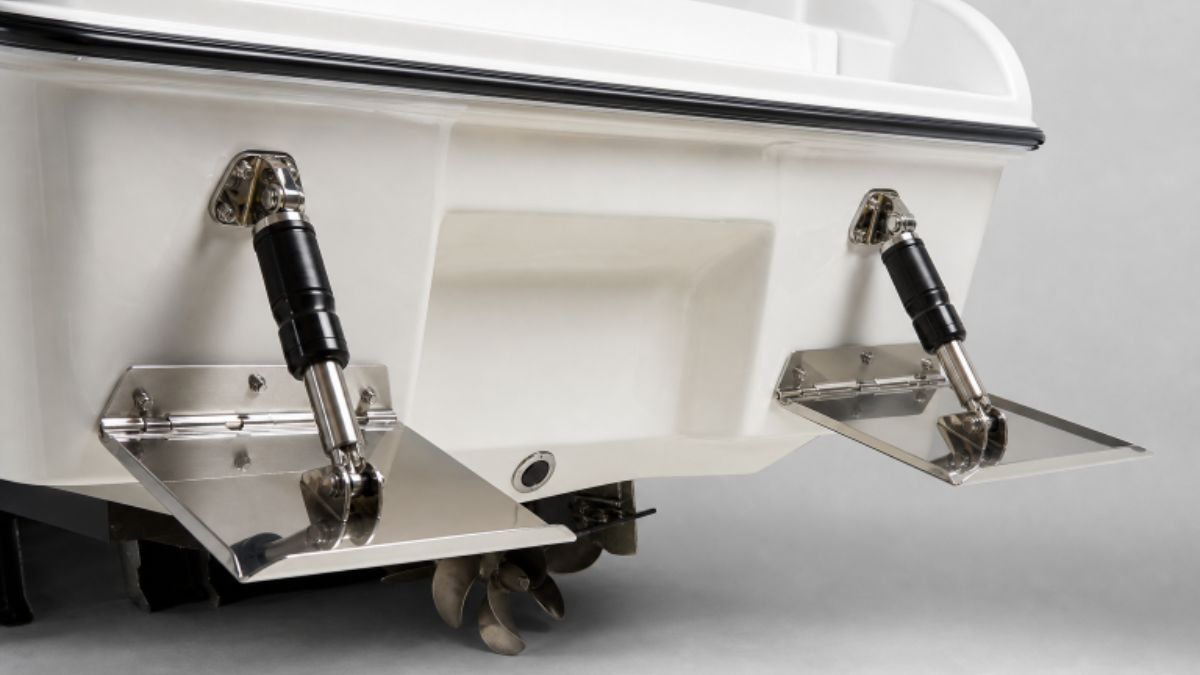
Trim tabs are a simple piece of equipment that noticeably affect how many powerboats run. Whether you operate a center console, fishing boat, runabout, or cruiser, they can help manage bow angle and side-to-side balance as speed, passenger position, fuel load, and water conditions change. Owners planning a transom repair or refit may also need compatible Fleming yacht parts before beginning related work.
They are not a substitute for proper loading, attentive driving, or slowing down when the water becomes rough. Instead, trim tabs are a fine-control tool that lets the operator make measured changes after the boat is safely underway and on plane.
Why Trim Tabs Matter On Modern Powerboats
On a planing hull, trim tabs influence pitch, which is the bow-up or bow-down angle, and roll, which is a lean to port or starboard. A better running attitude can improve forward visibility, reduce pounding in moderate chop, and make the boat feel more settled. As trim tabs change a boat’s running angle becomes clear through practice, it is easier to make adjustments that match the day’s load and sea state.
Tabs are especially useful when the boat has a recurring bow-rise issue while accelerating, when a crosswind causes a mild lean, or when passengers naturally gather on one side. They cannot correct every performance problem, however. A damaged hull, an unsuitable propeller, a serious weight imbalance, or a mechanical issue deserves separate attention.
How Trim Tabs Work
A conventional system includes two flat tab plates mounted at the transom, hinges, actuators that move the plates, and helm controls. Some systems also include position indicators or automatic controls. Lowering both plates creates lift at the stern, which brings the bow down while the boat is on plane.
For a side-to-side correction, deploy the tab on the high side of the boat to lower that side. For example, if the starboard side is riding high, a small starboard-tab adjustment can help level the hull. Control-pad directions vary by manufacturer, so confirm how your specific switches correspond to port and starboard before relying on them at speed.
Trim Tabs And Engine Trim Are Not The Same
Engine trim changes the angle of an outboard or sterndrive relative to the hull and affects how propeller thrust influences the boat’s attitude. Trim tabs primarily add lift at the stern and help control both overall running angle and lateral balance.
- Use engine trim to fine-tune bow lift once the boat is on plane.
- Use both tabs to reduce excessive bow rise or flatten the ride.
- Use one tab briefly to correct a mild list after checking the load first.
Avoid combining heavy tab deployment with excessive speed. Too much bow-down attitude can make a boat react poorly in steep waves, particularly when running down-sea.
A Simple Trim Tab Setup Routine
- Begin with the tabs raised. This provides a consistent, neutral starting point.
- Bring the boat onto plane. Use a steady throttle and maintain safe forward visibility.
- Lower both tabs in short taps. Pause after each adjustment until the bow settles into a flatter, controlled attitude.
- Fine-tune engine trim. Adjust gradually until the hull runs freely without an uncomfortable bounce.
- Correct a list only if needed. First, consider moving gear or passengers, then make a brief one-sided tab adjustment.
- Reassess often. Wind direction, wave height, speed, and fuel burn can change the best setting.
Adjustments For Common On-Water Problems
Excessive Bow Rise
Lower both tabs slightly and trim the engine in as appropriate for the boat. If the bow still blocks visibility, reduce speed. No tab setting makes limited visibility acceptable.
Listing To One Side
Check for an obvious loading cause before using the controls. If the boat remains mildly uneven, deploy the tab on the high side in a small increment, then wait for the hull to respond.
Porpoising At Cruise
Porpoising is a repeated bow-up and bow-down motion. Try lowering both tabs a little and trimming the engine in slightly. If it persists, consider load placement, engine setup, propeller selection, and the boat manufacturer’s guidance.
Head Seas And Following Seas
In head seas, a modest bow-down adjustment may soften the ride, but avoid forcing the bow deeply into steep waves. In following seas, use restraint with bow-down trim and keep enough bow lift to avoid bow steering. In either direction, reducing speed is often the most important adjustment.
Using Trim Tabs For Fuel Use
The most efficient setting depends on the hull, load, engine condition, speed, and water conditions. Test one change at a time in calm water, recording RPM, GPS speed, fuel flow data, if available, and tab position. More tabs are not automatically better, as unnecessary deployments can add drag.
Choosing, Installing, And Maintaining Tabs
Tab size should be chosen for the hull and transom, not boat length alone. Consider available transom space, hull shape, engine weight, normal load, and the manufacturer’s recommendations. Basic rocker switches suit many owners, while position displays and automatic systems can be useful for boats that frequently operate with changing loads or speeds.
Installation requires accurate measurement, symmetrical plate placement, protected wiring, and properly sealed fasteners and cable openings. An electric trim tab installation process also highlights the importance of checking behind the transom before drilling and placing helm controls within easy reach. Follow the instructions supplied with the exact system being installed.
Before each boating season, inspect plates, hinges, actuators, wiring, mounts, and sealant. Test movement at the dock; look for corrosion or loose fasteners; and investigate any tab that moves slowly, makes an unusual noise, or fails to hold its position. Stop using the system if hardware is loose or water intrusion around the transom is suspected.
Frequently Asked Questions
Should Both Trim Tabs Move Together?
Yes, when adjusting the boat’s overall bow angle. One-sided operation is generally reserved for correcting a mild lateral imbalance.
Can Trim Tabs Make A Boat Faster?
They may help the boat reach an efficient attitude sooner, but excessive deployment creates drag. The goal is a controlled, comfortable ride rather than a guaranteed increase in speed.
Can Tabs Fix Poor Weight Distribution?
They can reduce a mild list, but moving passengers or gear is the better first response when practical.
A Practical Test Plan For 2026
- Choose calm water with ample room and use the boat’s normal load.
- Record fuel level, passenger location, RPM, and speed.
- Run first with tabs raised, then lower both tabs in short steps.
- Test small port and starboard corrections separately, always returning to neutral between tests.
- Keep notes on the settings that provide the best visibility, comfort, balance, and control.
Conclusion
Trim tabs work best as precise control tools, not as emergency fixes. Start from neutral, make one small change at a time, and watch how the boat responds before making any other changes. With a deliberate routine, operators can develop settings that suit their particular hull, load, and local water conditions.
You May Also Read : How Sandy Springs Families Can Prove Nursing Home Negligence In Court

After an accident, the top priorities are safety, medical care, and ensuring the immediate facts are documented. Legal questions often come later, but waiting too long to recognize a complicated claim can make recovery more difficult. A consultation may be worth considering when injuries are serious, fault is disputed, or an insurance company is pressuring you to settle before you understand the full impact of the crash.
Reliable guidance can help people make calmer decisions during an overwhelming time. The legal resources available at chamlinlaw.com may be useful when an accident raises questions about insurance coverage, medical expenses, lost wages, or potential compensation. Every situation is different, so practical steps and timely advice matter.
The First Few Minutes After A Crash
At the scene, focus on preventing further harm. Call 911 if anyone may be injured, if traffic is blocked, if vehicles cannot be moved safely, or if there is a fire, a fuel leak, or another immediate danger. If it is safe and permitted, move out of traffic and exchange basic contact, vehicle, and insurance information with the other drivers.
Try not to argue about fault or make assumptions about what happened. Stress and adrenaline can affect memory, and early statements may be incomplete. A police report, photographs, witness accounts, and a later investigation may provide a clearer picture. If you are too injured or shaken to gather information, ask a passenger, witness, or responding officer for help.
Why Medical Care Should Come First
Some accident injuries are obvious immediately, while others develop over hours or days. Pain, dizziness, headaches, numbness, stiffness, sleep changes, and emotional distress should be taken seriously and discussed with a qualified medical professional. Emergency symptoms or worsening symptoms require prompt care.
Medical records can also provide an important timeline. Follow the treatment plan, attend recommended appointments when possible, and tell providers about all symptoms and limitations. This is not simply about a potential claim. Consistent care helps you understand your condition and gives providers the information they need to evaluate it properly.
How To Preserve Useful Evidence
Evidence can disappear quickly after a collision. Take photographs or video of vehicle damage, the road, skid marks, traffic signals, weather conditions, visible injuries, and anything else that may explain the event. Save the police report number, witness contact information, towing paperwork, repair estimates, and communications about the crash.
Do not assume that only photographs matter. Many vehicles have systems that record limited technical information around a collision. The National Highway Traffic Safety Administration explains that event data recorders can capture vehicle and occupant information for a brief period before, during, and after a crash. In a serious case, preserving the vehicle and seeking legal advice early may help prevent useful evidence from being lost.
What To Know Before Calling An Insurance Company
Most policies require prompt notice of an accident, so report the crash to the appropriate insurer without unnecessary delay. Stick to basic, accurate facts. Do not guess about speed, fault, the cause of the collision, or the full extent of injuries when you do not yet know those answers.
An adjuster may request a recorded statement, medical authorization, or settlement release. These documents can have consequences, particularly when treatment is ongoing or responsibility is disputed. It may be time to speak with a personal injury lawyer before providing a recorded statement or signing a release if you have substantial injuries, uncertainty about fault, or an offer that arrives before your prognosis is clear.
How To Track Bills, Missed Work, And Symptoms
Keep one organized folder, notebook, spreadsheet, or secure digital file for accident-related records. Include the following:
- Medical visit dates, provider names, prescriptions, and test results.
- Bills, insurance explanations of benefits, therapy expenses, and receipts.
- Missed workdays, reduced hours, and correspondence with an employer.
- Transportation costs and help needed with household or childcare tasks.
- A brief daily record of pain, mobility, sleep, mood, and activities you cannot do normally.
These notes can show how an injury affects daily life beyond the initial emergency visit. For example, someone may return to work but still struggle to drive, lift supplies, sleep comfortably, or care for a child. Details recorded close to the event are generally easier to remember accurately later.
Crashes That May Require Faster Legal Help
Some accidents become complicated quickly. Collisions involving commercial trucks may involve a trucking company, maintenance records, dispatch information, or multiple insurance policies. Rideshare accidents can involve app activity and different coverage questions. Pedestrian, bicycle, and motorcycle crashes may require careful investigation of visibility, roadway design, and vehicle movement.
It is also wise to seek legal guidance promptly after a hit-and-run, a crash involving an uninsured or underinsured driver, a collision with a government vehicle, or an accident that caused a fatality or permanent impairment. A lawyer can review the available facts, identify potential parties, explain next steps, and communicate with insurers while you focus on treatment.
Deadlines, Claim Choices, And Legal Questions
Deadlines for injury claims vary by state and can depend on the type of case. Claims involving government entities, wrongful death, minors, and insurance coverage disputes may have special notice rules or different filing periods. Do not rely on a general online timeline when a deadline could affect your rights.
A lawyer is especially helpful when an insurer denies responsibility, minimizes injuries, claims you were at fault, or refuses to offer enough to address documented losses. A consultation can also clarify the difference between making an insurance claim, negotiating a settlement, and filing a lawsuit. You do not need to decide immediately that litigation is necessary; ask informed questions.
Common Mistakes To Avoid
- Delaying medical care despite concerning symptoms.
- Failing to save photos, messages, damaged property, or paperwork.
- Posting detailed statements, photos, or opinions about the crash on social media.
- Giving rushed answers when you are unsure of the facts.
- Accepting a settlement before the injury and future care needs are understood.
- Ignoring emotional or psychological effects after a traumatic accident.
Avoiding these mistakes does not mean treating every accident as a lawsuit. It means protecting your health, keeping accurate records, and being cautious before making decisions that cannot easily be undone.
A Simple Post-Crash Checklist
- Get to safety and call 911 when needed.
- Exchange information and identify witnesses.
- Photograph the scene, vehicles, and visible injuries.
- Seek medical care and follow medical instructions.
- Report the accident under the terms of your insurance policy.
- Save bills, records, messages, and proof of missed work.
- Be careful with recorded statements, releases, and early settlement offers.
- Consult a personal injury lawyer when injuries are serious, facts are disputed, or the claim is complex.
The most important step after an accident is to protect your health. Once immediate needs are addressed, careful documentation and timely legal guidance can help you make decisions based on the full situation rather than pressure, uncertainty, or an incomplete understanding of your losses.
You May Also Read : Transforming Women’s Health: The Shift Toward Patient-Centered Care
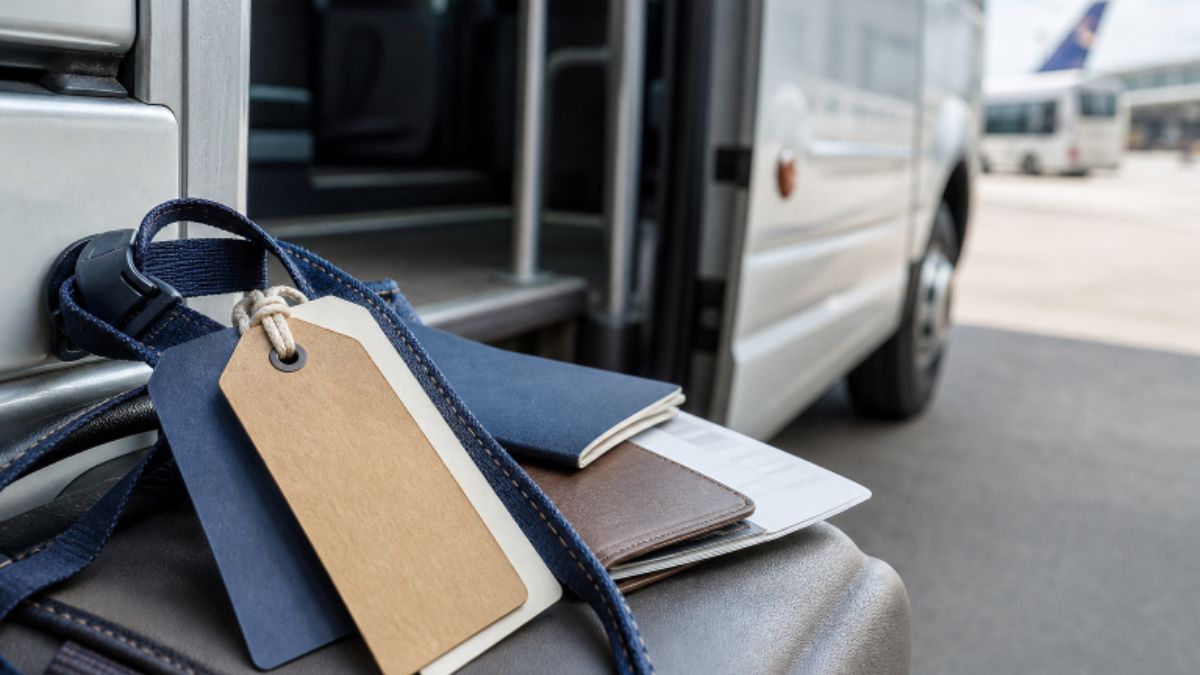
For families, school groups, wedding parties, sports teams, and business travelers in Wilkes-Barre, airport transportation is easiest when it is treated as part of the trip, not an afterthought. Booking an airport shuttle service Wilkes-barre can give a group one coordinated departure plan instead of several separate rides. Caruth Bus Lines serves Northern Pennsylvania with school transportation, charter trips, shuttle services, and airport transportation, making the company a relevant local example for groups that need organized pickups, passenger coordination, and vehicles suited to different trip sizes.
Whether travelers are leaving from Wilkes-Barre, Kingston, Dallas, Mountain Top, or another nearby community, small details can decide whether the morning feels calm or rushed. Passenger counts, baggage volume, weather, road conditions, terminal instructions, and flight changes should all be considered before the vehicle arrives.
Why Airport Transfer Planning Matters
Air travel starts when the group leaves home, the hotel, campus, office, or event venue. A missed turn, a passenger who is not ready, or a congested airport entrance can place pressure on everyone. Airport access is different from one location to another, and a federal review of airport access describes how transportation options and roadway conditions can vary widely among U.S. airports.
For group travel, one shared vehicle can simplify the day. The organizer has one departure time, one communication chain, and one plan for getting everyone to the terminal area together.
Start With an Accurate Passenger Count
Do not rely on an estimate. Confirm who is riding several days before departure, then check the day before the trip again. A newly added relative, a child who needs a car seat, or a coach carrying equipment can change the appropriate vehicle.
Details to Confirm
- Total adults and children traveling.
- Mobility aids, wheelchairs, walkers, or boarding assistance needs.
- Checked bags, carry-ons, and personal items.
- Sports gear, instruments, presentation materials, or other oversized items.
- Whether the same group needs return transportation after the flight.
Choose the Right Vehicle for the Group
Seat capacity is only one part of the decision. A vehicle that seats every passenger may still be a poor fit if luggage fills the available storage space. For a short ride with light bags, a van may work well. A larger wedding group or team may benefit from a bus that keeps everyone together and reduces the number of separate arrivals.
Compare These Factors
- Comfort during the drive, especially for early departures or longer routes.
- Available storage after all passengers are seated.
- Climate control for summer heat or cold Pennsylvania mornings.
- Ease of entering and exiting for children, older adults, and guests with limited mobility.
- The number of planned pickup stops before heading to the airport.
Build a Realistic Travel Timeline
Work backward from the flight departure time. Begin with the airline’s recommended arrival window, then add the normal drive, passenger loading, baggage handling, traffic, and time needed to navigate airport roads. In the Wilkes-Barre area, a group may be traveling to a nearby regional airport or beginning a longer drive to a larger airport, so the route deserves attention well before travel day.
- Confirm the airline, terminal, and scheduled departure time.
- Set the target time for arriving at the airport.
- Add normal driving time and a cushion for traffic or weather.
- Add time for each pickup location and loading luggage.
- Share one firm departure time with the entire group.
Plan for Luggage and Special Items
Luggage is often the reason a transportation plan needs adjustment. Ask each traveler to report bags honestly, including carry-ons that may take up interior space. A team traveling with gear, a family carrying strollers, or wedding guests bringing garment bags may need more room than the passenger count suggests.
- Keep passports, medication, chargers, and travel documents in personal carry-ons.
- Label every checked bag with current contact information.
- Tell the transportation provider about oversized items before finalizing the reservation.
- Leave space for items travelers may bring back after the trip.
Set Clear Pickup and Drop-Off Points
“Meet at the airport” is not enough direction for a large group. At departure, provide the complete pickup address and a recognizable meeting spot. At arrival, include the terminal, level, door number if available, and a nearby landmark. Travelers should also know whether they need to wait inside baggage claim, at a commercial vehicle area, or at another designated location.
Send the plan in one written message at least a day before travel. Include the lead traveler’s phone number, the transportation contact, the airline, the flight number, and instructions for anyone who is running late.
Prepare for Delays and Schedule Changes
Delays do not have to create confusion if responsibilities are clear. Choose one lead contact and one alternate contact. Both should have the reservation details and be ready to communicate changes. Before booking, ask whether the provider monitors flight information for arrivals, how waiting time is handled, and what steps to follow if a flight lands earlier or later than expected.
Questions to Ask Before Booking
- What vehicle is planned for the group?
- How many passengers and bags can it accommodate comfortably?
- Are tolls, airport fees, or waiting time addressed in the quote?
- How are schedule changes and cancellations handled?
- Who confirms final pickup details before travel day?
- Can the group arrange multiple pickup locations if needed?
A Simple Airport Transfer Checklist
- Confirm the final rider list.
- Count bags and identify special items.
- Verify flight, terminal, and airline information.
- Select a vehicle with sufficient seating and storage.
- Set a pickup time with extra room for delays.
- Save the driver or dispatch contact details.
- Send the full plan to every traveler.
- Review the plan once more on travel day.
Final Thoughts
Reliable airport transportation in Wilkes-Barre, Pennsylvania, comes down to preparation. When the group knows who is riding, what they are bringing, when to leave, and where to meet, the transfer becomes a smoother first step in the trip. A few minutes spent organizing the details can help keep travelers together, on schedule, and focused on the journey ahead.
You May Also Read : What Is Incestflox? Understanding the Online Search Term and Internet Safety
-

 Business4 months ago
Image Search Techniques: Smarter Ways to Find Accurate Visual Results Online
-
Health3 months ago
Why Are So Many Autistic Girls and Women Still Missing Out on Early Identification?
-

 Lifestyle6 months ago
Sustainable Ways to Buy and Sell Antiques
-

 Sports3 months ago
Ultimate Pragmatic Juara100.org Medal Achievement Guide for Maximum Rewards
-

 Health4 months ago
Pravi Celer: Benefits, Uses, and How to Add It to Your Daily Diet
-

 Technology4 months ago
TabooTube: What It Is, How It Works, and Whether It’s Worth Your Time
-

 Business4 months ago
Understanding the Idaho Policy Institute Formal Eviction Rate 2020 Shoshone County: Housing Stability Insights
-

 Technology6 months ago
Top Features of ProgramGeeks Social You Didn’t Know About