
Topic
If Your Grass Keeps “Randomly” Dying, Read This Before You Water More

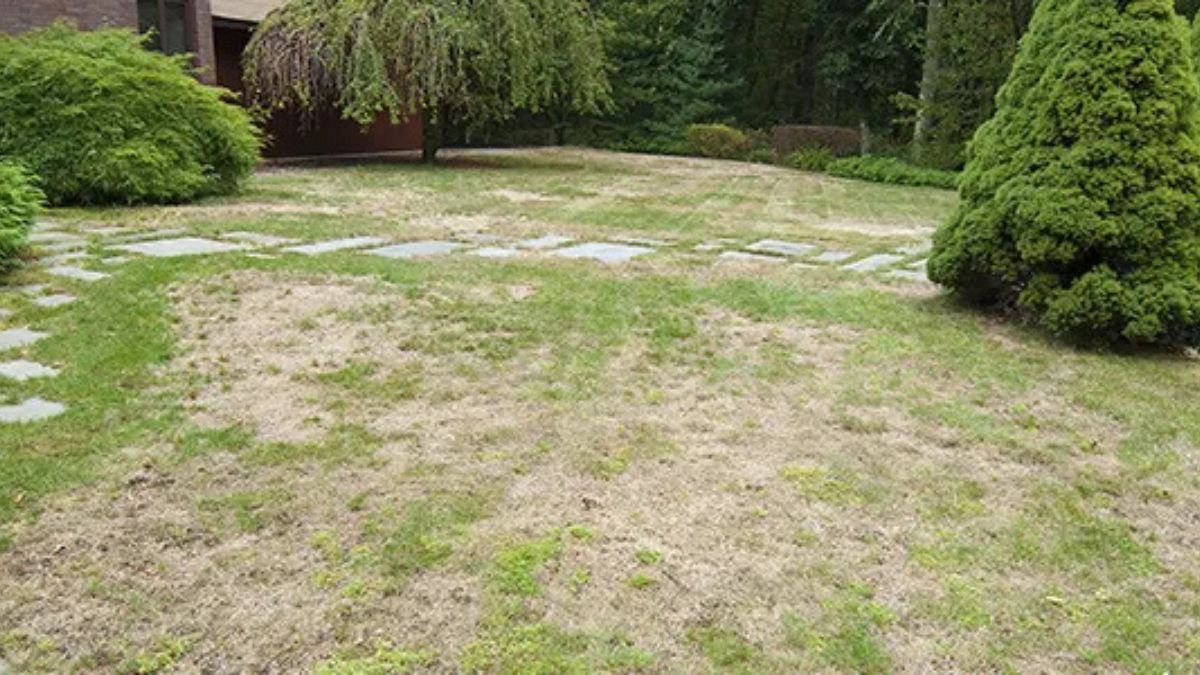
Most people only think about pests when the lawn starts looking ugly.
Look at those thin spots. Were those brown patches already there?
But lawn pests usually do not “appear out of nowhere.”
The part most homeowners miss is that pests move in when the yard becomes an easy place to live.
A lawn that is consistently suffering heat stress, compacted soil, inconsistent watering, and thatch becomes a buffet.
And once insects start feeding on roots or blades, every other problem stacks on top of it. Weeds exploit the thin areas, fungus takes advantage of weak turf, and your grass struggles to recover, even when the weather improves.
If you want a lawn that stays thick, green, and resilient through a North Texas season, you need to think about pests as part of the process.
Lawn pest control matters most when it is tied to the realities of the yard: the soil, the moisture, the grass type, the season, and the life cycle of the insect pressure in your area.
That is why homeowners who want a durable lawn in Fort Worth lean on a local team that understands the full picture, like lawn pest control through Purple Care, which offers treatments to tackle what is actually happening in the turf.
Now let’s talk about what is really going on when pests “take over,” and how to stop it in a way that keeps your grass healthier long after the bugs are gone.
The Damage Starts Where You Never Look
Most damaging lawn insects don’t really care if your grass looks nice. They appear because the conditions are right.
A few common situations make a lawn easier to infest:
- Overwatering that keeps the soil surface damp and creates a comfortable habitat.
- Compacted clay soil that holds water on top but starves roots underneath.
- Thatch buildup creates a protected layer for insects to hide and breed.
- Stressed turf from mowing too short, heat stress, or poor nutrient balance.
- Weak roots that cannot support recovery after feeding damage.
This is why two lawns on the same street can look completely different: while one stays full, the other keeps “mysteriously” getting worse.
Sheer luck? Nope. The lawn that stays full is harder to attack.
Meet the Usual Suspects
Different insects create different damage patterns, but the end result is the same: They break the lawn’s foundation.
Lawn Grubs
Grubs feed on grass roots. When the root system is weak, the turf cannot hold water or nutrients the way it should.
A common sign is that the grass feels loose. In severe cases, you can lift it like a piece of carpet.
Grub damage can also be confused with drought stress because the turf cannot absorb what it needs, even if you are watering.
Chinch Bugs
Chinch bugs often show up during hot periods. Their damage can look like dry, sun-baked areas that refuse to improve.
That is the trap. People usually respond by watering more, but the lawn stays stressed, and the pest pressure continues.
Armyworms and Caterpillars
These tend to be the ones that cause panic because the damage can happen quickly.
If you see leaf shredding, thinning turf, or sudden “eaten” areas, do not wait. The longer you delay, the more recovery time you add to the season.
Why “Spray and Pray” Usually Fails
A lot of DIY pest control advice sounds like this: “Buy a product, spray everything, and you are done.”
But it’s not that simple. DIY products fail when:
- The product is applied at the wrong time in the pest life cycle.
- The pest is misidentified, so the treatment is not targeted.
- The lawn suffers from stress, so damage continues even after pests drop.
- The underlying conditions remain, and pests eventually return.
If you treat the symptoms and ignore the environment, the lawn stays vulnerable.
The best pest control is improving your lawn’s health, and that usually means focusing on a few fundamentals that compound:
1. Water the right way
Most lawns do better with deeper and less frequent watering.
Daily and shallow watering creates shallow roots and results in a lawn that will collapse the moment heat or feeding pressure hits.
The idea is to build depth and consistency by watering correctly.
2. Mow Higher
One of the fastest ways to thin a lawn is by mowing too short.
Short turf exposes soil, increases heat stress, and removes the plant’s ability to recover. It also makes it easier for pests, weeds, and fungi to gain traction.
A thicker canopy is aesthetic and defensive (a bulletproof combo).
3. Reduce compaction and thatch
In North Texas, clay soil compaction is common. When soil is tight, roots struggle, water sits on the surface, and oxygen is limited.
Aeration helps correct that, and also improves how treatments and nutrients move into the soil where they actually matter.
Thatch can also shelter insects and hold moisture. If your lawn feels spongy, that layer may be part of the reason pests keep showing up.
4. Feed the lawn like a system
A lawn that is underfed becomes weak, and an overfed lawn becomes too tender and prone to issues.
The “right” plan depends on grass type, season, and the conditions of the yard. That is why professional programs are usually less about dumping product and more about applying what is needed when it is needed.
Take Pest Control Seriously, Even If Your Lawn Looks Fine
Most people wait until the damage is obvious, but the best time to act is when the lawn is still in decent shape, and you are trying to keep it that way.
You should pay attention to:
- You notice thinning that repeats in the same spots each year.
- You see birds pecking aggressively at the lawn (sometimes a sign they are hunting grubs).
- You have areas that “look drought-stressed” no matter how you water.
- Your lawn recovers more slowly each season.
- You have had pest issues before and want to prevent a repeat.
A good lawn pest control plan identifies the real cause of the damage, targets the pest in a correct way, and strengthens the lawn to get rid of the problem.
That is the difference between a lawn that survives and a lawn that improves each year.
Instead of asking, “What product kills this bug?”, ask, “Why did this lawn become a good home for pests in the first place?”
The long-term solution is building resilience, and in a place like Fort Worth, where heat, clay soil, and seasonal swings stress turf constantly, resilience is the entire game.
You May Also Read : How Modern Radiators Improve Energy Efficiency


After an accident, the top priorities are safety, medical care, and ensuring the immediate facts are documented. Legal questions often come later, but waiting too long to recognize a complicated claim can make recovery more difficult. A consultation may be worth considering when injuries are serious, fault is disputed, or an insurance company is pressuring you to settle before you understand the full impact of the crash.
Reliable guidance can help people make calmer decisions during an overwhelming time. The legal resources available at chamlinlaw.com may be useful when an accident raises questions about insurance coverage, medical expenses, lost wages, or potential compensation. Every situation is different, so practical steps and timely advice matter.
The First Few Minutes After A Crash
At the scene, focus on preventing further harm. Call 911 if anyone may be injured, if traffic is blocked, if vehicles cannot be moved safely, or if there is a fire, a fuel leak, or another immediate danger. If it is safe and permitted, move out of traffic and exchange basic contact, vehicle, and insurance information with the other drivers.
Try not to argue about fault or make assumptions about what happened. Stress and adrenaline can affect memory, and early statements may be incomplete. A police report, photographs, witness accounts, and a later investigation may provide a clearer picture. If you are too injured or shaken to gather information, ask a passenger, witness, or responding officer for help.
Why Medical Care Should Come First
Some accident injuries are obvious immediately, while others develop over hours or days. Pain, dizziness, headaches, numbness, stiffness, sleep changes, and emotional distress should be taken seriously and discussed with a qualified medical professional. Emergency symptoms or worsening symptoms require prompt care.
Medical records can also provide an important timeline. Follow the treatment plan, attend recommended appointments when possible, and tell providers about all symptoms and limitations. This is not simply about a potential claim. Consistent care helps you understand your condition and gives providers the information they need to evaluate it properly.
How To Preserve Useful Evidence
Evidence can disappear quickly after a collision. Take photographs or video of vehicle damage, the road, skid marks, traffic signals, weather conditions, visible injuries, and anything else that may explain the event. Save the police report number, witness contact information, towing paperwork, repair estimates, and communications about the crash.
Do not assume that only photographs matter. Many vehicles have systems that record limited technical information around a collision. The National Highway Traffic Safety Administration explains that event data recorders can capture vehicle and occupant information for a brief period before, during, and after a crash. In a serious case, preserving the vehicle and seeking legal advice early may help prevent useful evidence from being lost.
What To Know Before Calling An Insurance Company
Most policies require prompt notice of an accident, so report the crash to the appropriate insurer without unnecessary delay. Stick to basic, accurate facts. Do not guess about speed, fault, the cause of the collision, or the full extent of injuries when you do not yet know those answers.
An adjuster may request a recorded statement, medical authorization, or settlement release. These documents can have consequences, particularly when treatment is ongoing or responsibility is disputed. It may be time to speak with a personal injury lawyer before providing a recorded statement or signing a release if you have substantial injuries, uncertainty about fault, or an offer that arrives before your prognosis is clear.
How To Track Bills, Missed Work, And Symptoms
Keep one organized folder, notebook, spreadsheet, or secure digital file for accident-related records. Include the following:
- Medical visit dates, provider names, prescriptions, and test results.
- Bills, insurance explanations of benefits, therapy expenses, and receipts.
- Missed workdays, reduced hours, and correspondence with an employer.
- Transportation costs and help needed with household or childcare tasks.
- A brief daily record of pain, mobility, sleep, mood, and activities you cannot do normally.
These notes can show how an injury affects daily life beyond the initial emergency visit. For example, someone may return to work but still struggle to drive, lift supplies, sleep comfortably, or care for a child. Details recorded close to the event are generally easier to remember accurately later.
Crashes That May Require Faster Legal Help
Some accidents become complicated quickly. Collisions involving commercial trucks may involve a trucking company, maintenance records, dispatch information, or multiple insurance policies. Rideshare accidents can involve app activity and different coverage questions. Pedestrian, bicycle, and motorcycle crashes may require careful investigation of visibility, roadway design, and vehicle movement.
It is also wise to seek legal guidance promptly after a hit-and-run, a crash involving an uninsured or underinsured driver, a collision with a government vehicle, or an accident that caused a fatality or permanent impairment. A lawyer can review the available facts, identify potential parties, explain next steps, and communicate with insurers while you focus on treatment.
Deadlines, Claim Choices, And Legal Questions
Deadlines for injury claims vary by state and can depend on the type of case. Claims involving government entities, wrongful death, minors, and insurance coverage disputes may have special notice rules or different filing periods. Do not rely on a general online timeline when a deadline could affect your rights.
A lawyer is especially helpful when an insurer denies responsibility, minimizes injuries, claims you were at fault, or refuses to offer enough to address documented losses. A consultation can also clarify the difference between making an insurance claim, negotiating a settlement, and filing a lawsuit. You do not need to decide immediately that litigation is necessary; ask informed questions.
Common Mistakes To Avoid
- Delaying medical care despite concerning symptoms.
- Failing to save photos, messages, damaged property, or paperwork.
- Posting detailed statements, photos, or opinions about the crash on social media.
- Giving rushed answers when you are unsure of the facts.
- Accepting a settlement before the injury and future care needs are understood.
- Ignoring emotional or psychological effects after a traumatic accident.
Avoiding these mistakes does not mean treating every accident as a lawsuit. It means protecting your health, keeping accurate records, and being cautious before making decisions that cannot easily be undone.
A Simple Post-Crash Checklist
- Get to safety and call 911 when needed.
- Exchange information and identify witnesses.
- Photograph the scene, vehicles, and visible injuries.
- Seek medical care and follow medical instructions.
- Report the accident under the terms of your insurance policy.
- Save bills, records, messages, and proof of missed work.
- Be careful with recorded statements, releases, and early settlement offers.
- Consult a personal injury lawyer when injuries are serious, facts are disputed, or the claim is complex.
The most important step after an accident is to protect your health. Once immediate needs are addressed, careful documentation and timely legal guidance can help you make decisions based on the full situation rather than pressure, uncertainty, or an incomplete understanding of your losses.
You May Also Read : Transforming Women’s Health: The Shift Toward Patient-Centered Care

For families, school groups, wedding parties, sports teams, and business travelers in Wilkes-Barre, airport transportation is easiest when it is treated as part of the trip, not an afterthought. Booking an airport shuttle service Wilkes-barre can give a group one coordinated departure plan instead of several separate rides. Caruth Bus Lines serves Northern Pennsylvania with school transportation, charter trips, shuttle services, and airport transportation, making the company a relevant local example for groups that need organized pickups, passenger coordination, and vehicles suited to different trip sizes.
Whether travelers are leaving from Wilkes-Barre, Kingston, Dallas, Mountain Top, or another nearby community, small details can decide whether the morning feels calm or rushed. Passenger counts, baggage volume, weather, road conditions, terminal instructions, and flight changes should all be considered before the vehicle arrives.
Why Airport Transfer Planning Matters
Air travel starts when the group leaves home, the hotel, campus, office, or event venue. A missed turn, a passenger who is not ready, or a congested airport entrance can place pressure on everyone. Airport access is different from one location to another, and a federal review of airport access describes how transportation options and roadway conditions can vary widely among U.S. airports.
For group travel, one shared vehicle can simplify the day. The organizer has one departure time, one communication chain, and one plan for getting everyone to the terminal area together.
Start With an Accurate Passenger Count
Do not rely on an estimate. Confirm who is riding several days before departure, then check the day before the trip again. A newly added relative, a child who needs a car seat, or a coach carrying equipment can change the appropriate vehicle.
Details to Confirm
- Total adults and children traveling.
- Mobility aids, wheelchairs, walkers, or boarding assistance needs.
- Checked bags, carry-ons, and personal items.
- Sports gear, instruments, presentation materials, or other oversized items.
- Whether the same group needs return transportation after the flight.
Choose the Right Vehicle for the Group
Seat capacity is only one part of the decision. A vehicle that seats every passenger may still be a poor fit if luggage fills the available storage space. For a short ride with light bags, a van may work well. A larger wedding group or team may benefit from a bus that keeps everyone together and reduces the number of separate arrivals.
Compare These Factors
- Comfort during the drive, especially for early departures or longer routes.
- Available storage after all passengers are seated.
- Climate control for summer heat or cold Pennsylvania mornings.
- Ease of entering and exiting for children, older adults, and guests with limited mobility.
- The number of planned pickup stops before heading to the airport.
Build a Realistic Travel Timeline
Work backward from the flight departure time. Begin with the airline’s recommended arrival window, then add the normal drive, passenger loading, baggage handling, traffic, and time needed to navigate airport roads. In the Wilkes-Barre area, a group may be traveling to a nearby regional airport or beginning a longer drive to a larger airport, so the route deserves attention well before travel day.
- Confirm the airline, terminal, and scheduled departure time.
- Set the target time for arriving at the airport.
- Add normal driving time and a cushion for traffic or weather.
- Add time for each pickup location and loading luggage.
- Share one firm departure time with the entire group.
Plan for Luggage and Special Items
Luggage is often the reason a transportation plan needs adjustment. Ask each traveler to report bags honestly, including carry-ons that may take up interior space. A team traveling with gear, a family carrying strollers, or wedding guests bringing garment bags may need more room than the passenger count suggests.
- Keep passports, medication, chargers, and travel documents in personal carry-ons.
- Label every checked bag with current contact information.
- Tell the transportation provider about oversized items before finalizing the reservation.
- Leave space for items travelers may bring back after the trip.
Set Clear Pickup and Drop-Off Points
“Meet at the airport” is not enough direction for a large group. At departure, provide the complete pickup address and a recognizable meeting spot. At arrival, include the terminal, level, door number if available, and a nearby landmark. Travelers should also know whether they need to wait inside baggage claim, at a commercial vehicle area, or at another designated location.
Send the plan in one written message at least a day before travel. Include the lead traveler’s phone number, the transportation contact, the airline, the flight number, and instructions for anyone who is running late.
Prepare for Delays and Schedule Changes
Delays do not have to create confusion if responsibilities are clear. Choose one lead contact and one alternate contact. Both should have the reservation details and be ready to communicate changes. Before booking, ask whether the provider monitors flight information for arrivals, how waiting time is handled, and what steps to follow if a flight lands earlier or later than expected.
Questions to Ask Before Booking
- What vehicle is planned for the group?
- How many passengers and bags can it accommodate comfortably?
- Are tolls, airport fees, or waiting time addressed in the quote?
- How are schedule changes and cancellations handled?
- Who confirms final pickup details before travel day?
- Can the group arrange multiple pickup locations if needed?
A Simple Airport Transfer Checklist
- Confirm the final rider list.
- Count bags and identify special items.
- Verify flight, terminal, and airline information.
- Select a vehicle with sufficient seating and storage.
- Set a pickup time with extra room for delays.
- Save the driver or dispatch contact details.
- Send the full plan to every traveler.
- Review the plan once more on travel day.
Final Thoughts
Reliable airport transportation in Wilkes-Barre, Pennsylvania, comes down to preparation. When the group knows who is riding, what they are bringing, when to leave, and where to meet, the transfer becomes a smoother first step in the trip. A few minutes spent organizing the details can help keep travelers together, on schedule, and focused on the journey ahead.
You May Also Read : What Is Incestflox? Understanding the Online Search Term and Internet Safety

A staircase fall can happen in a moment, yet the effects may last for weeks, months, or longer. Uneven steps, missing handrails, poor lighting, slippery surfaces, and clutter can turn an ordinary trip up or down the stairs into a serious accident. For people dealing with injuries after a fall on another person’s property, phillyslipandfallguys may be a useful starting point for understanding the practical and legal questions that can follow.
Not every staircase accident results from someone else’s carelessness, and not every dangerous condition creates legal responsibility. Still, knowing how to identify hazards, protect your health, and preserve important details can make a meaningful difference after an injury.
Why Staircase Falls Matter
Stairs pose risks different from those of a same-level trip. A person may take multiple steps, land awkwardly, fall over a railing, or be unable to stop their descent. Injuries can include fractures, sprains, knee damage, back injuries, concussions, and cuts. The risk of slips, trips, and falls is especially significant when walking surfaces are wet, obstructed, or poorly maintained.
Older adults, young children, workers carrying materials, and people with mobility limitations may face greater danger, but anyone can be seriously hurt. The key question after a fall is not simply whether someone fell. It is what caused the fall, whether the danger should have been addressed, and how the injury has affected the person’s life.
Frequent Staircase Hazards
Broken, Uneven, or Worn Steps
Cracked concrete, loose boards, warped treads, and chipped step edges can interfere with normal footing. Even a small difference in step height can cause someone to misjudge the next step and lose their balance.
Missing or Damaged Handrails
Handrails give people a stable point of contact when they slip, carry items, or navigate steep stairs. A loose rail, a rail installed too low or too high, or no rail at all can make a fall harder to prevent.
Poor Lighting
Dim stairwells, burned-out bulbs, inadequate exterior lighting, and shadows near landings make it difficult to see step edges, changes in elevation, and obstacles. Poor lighting can be especially hazardous in apartment buildings, parking garages, and outdoor entrances.
Slippery Surfaces
Rainwater, snow, ice, cleaning products, spilled drinks, grease, and worn carpeting can reduce traction. A slippery staircase becomes more dangerous when there is no warning sign, no mat at the entrance, or no reasonable effort to clean the area.
Clutter and Obstructions
Boxes, extension cords, tools, loose rugs, merchandise, and debris should not be left on stairs or landings. Stairways are intended to provide a clear path, and even a small item can create a tripping hazard.
Unsafe Stair Design
Narrow treads, steep stair angles, inconsistent step dimensions, weak railings, and abrupt transitions between flooring materials may create risks. Design concerns can be difficult to identify without inspection, but photographs and witness accounts may help document visible problems.
What To Do Immediately After a Staircase Fall
Your first priority should be personal safety. Do not rush to stand if you feel dizzy, confused, weak, numb, or in severe pain. Ask someone nearby for help, and call emergency services if the situation appears urgent.
- Move only when it is safe to do so.
- Notice the apparent cause, such as a loose step, water, a missing rail, or an object on the stairs.
- Look for additional danger, including broken glass, ice, traffic, or exposed wiring.
- Avoid arguing about fault with employees, owners, or bystanders.
- Get the names and contact information of anyone who saw what happened.
Reporting and Documenting the Incident
Report the fall to the person responsible for the property before leaving whenever possible. Depending on the location, that may be a store manager, landlord, maintenance worker, security officer, supervisor, or homeowner. Ask whether an incident report can be completed, and request the name and position of the person who receives your report.
Photos and notes can be valuable because hazards often change quickly. A spill may be cleaned, a light bulb replaced, ice melted, or a damaged step repaired. If you can do so safely, take wide photos of the full staircase and close photos of the exact condition that contributed to the fall. Include railings, lighting, warning signs, landings, floor texture, and nearby obstacles.
Write down the date, time, weather, address, direction you were traveling, footwear you were wearing, and a clear description of what happened. Preserve the shoes and clothing worn during the incident in their original condition instead of washing, repairing, or discarding them.
Medical Care and Recordkeeping
Some injuries become more noticeable after the initial shock fades. Seek appropriate medical care, follow treatment advice, and explain how the fall occurred and which parts of your body struck the stairs or floor. Emergency care may be necessary for severe headache, confusion, fainting, chest pain, breathing trouble, weakness, or worsening symptoms.
Keep discharge papers, prescriptions, invoices, test results, therapy records, transportation receipts, and documentation of missed work. A dated journal can also help track pain levels, sleep issues, mobility limits, and activities you can no longer perform comfortably.
When Property Conditions May Matter
A fall alone does not prove negligence. In a potential premises liability matter, relevant questions may include whether there was a dangerous condition, who controlled the staircase, whether the responsible party knew or should have known about the issue, and whether reasonable warnings or repairs were provided.
Rules can differ based on whether the fall occurred in a store, apartment building, private home, workplace, public sidewalk, or government-owned property. Shared-fault rules also vary by state, so a person should not assume that being distracted or missing a step automatically ends the matter.
Staircase Safety for Property Owners
Regular inspections and prompt repairs can prevent many avoidable injuries. Workplace safety guidance identifies contaminants, clutter, and irregular walking surfaces as common fall risks, which is why keeping walkways clear and maintained should be a routine priority.
- Inspect steps, treads, landings, railings, and lighting on a regular schedule.
- Repair loose, cracked, uneven, or damaged stair components quickly.
- Clean spills and tracked-in water promptly, then use visible warnings when needed.
- Remove boxes, cords, tools, and other objects from stairs and landings.
- Replace burned-out bulbs and improve lighting in stairwells and exterior entrances.
- Keep records of inspections, cleaning, complaints, repairs, and maintenance requests.
Final Takeaway
Dangerous staircases can cause life-changing injuries, but quick action can protect both your health and your ability to understand what happened. Seek care, report the incident, document the condition, preserve evidence, and avoid rushed statements or decisions. Clear records often provide the strongest foundation for evaluating the next steps.
You May Also Read : How to Build a Custom Home That Will Age Well
-

 Business4 months ago
Image Search Techniques: Smarter Ways to Find Accurate Visual Results Online
-
Health2 months ago
Why Are So Many Autistic Girls and Women Still Missing Out on Early Identification?
-

 Lifestyle6 months ago
Sustainable Ways to Buy and Sell Antiques
-

 Sports3 months ago
Ultimate Pragmatic Juara100.org Medal Achievement Guide for Maximum Rewards
-

 Health4 months ago
Pravi Celer: Benefits, Uses, and How to Add It to Your Daily Diet
-

 Technology4 months ago
TabooTube: What It Is, How It Works, and Whether It’s Worth Your Time
-

 Business4 months ago
Understanding the Idaho Policy Institute Formal Eviction Rate 2020 Shoshone County: Housing Stability Insights
-

 Technology6 months ago
Top Features of ProgramGeeks Social You Didn’t Know About