
Topic
How to Build a Custom Home That Will Age Well


A custom home that ages well is not only attractive on move-in day. It remains comfortable, efficient, durable, and useful as household needs change. The best results come from early planning, practical design choices, and a clear understanding of how materials, layout, and systems perform over time.
Start With Timeless Planning
Long-lasting homes usually begin with restraint. Trends can be enjoyable, but permanent features should feel balanced and adaptable. Simple rooflines, well-proportioned rooms, natural light, and quality materials often hold their appeal longer than highly stylized details.
Working with an Atlanta luxury home builder can help align design goals with long-term performance. A thoughtful plan weighs beauty, maintenance, climate response, and future flexibility before construction decisions become expensive to change.
Design for Flexibility
Aging well means a home can support different life stages. A nursery may become an office. A guest suite may later serve as a main-level retreat. Flexible rooms prevent a home from feeling outdated when routines, family structure, or lifestyle needs shift.
- Include at least one main-level bedroom or adaptable private room
- Use open sightlines while preserving quiet zones
- Plan storage near entries, kitchens, bedrooms, and utility areas
- Avoid overly specific built-ins that limit future room use
Choose Materials That Improve With Time
Durable materials are central to a home that continues to look refined. Natural stone, quality wood, masonry, metal roofing accents, and high-performance flooring can develop character when maintained properly. The goal is not only strength, but graceful wear.
Exterior selections deserve special attention. Siding, windows, doors, roofing, and drainage details must work together. A beautiful exterior that requires constant repair can quickly lose its value. Proven assemblies and careful installation often matter as much as the finishes themselves.
Prioritize Energy Performance
Energy standards continue to evolve, so a custom home should be built beyond minimum expectations where practical. Better insulation, careful air sealing, efficient windows, and right-sized mechanical systems support comfort while reducing long-term operating strain.
Passive design also matters. Window placement, shading, ventilation, and orientation can reduce heat gain and improve daylight. These choices are easier to integrate during design than to correct later.
Plan for Low-Maintenance Living
A home ages better when maintenance is realistic. Complex roof forms, hard-to-reach windows, delicate finishes, and poor drainage systems can create recurring problems. Simpler detailing often delivers a more refined home because it reduces the opportunities for premature wear.
- Select finishes that can be repaired, refinished, or replaced without major disruption
- Use moisture-resistant materials in bathrooms, kitchens, laundry areas, and basements
- Provide safe access to mechanical systems and attic spaces
- Design landscaping to direct water away from the foundation
Build Comfort Into Everyday Spaces
Comfort is one of the clearest signs of quality. Room proportions, ceiling heights, acoustics, lighting, and storage all influence how a home feels over decades. Smaller daily inconveniences become more noticeable with time, so practical details deserve careful attention.
The insight of custom home builders Alpharetta can be useful when balancing elegant design with livable details. Durable homes are not only built well, they are organized around how people actually move, gather, cook, rest, and store belongings.
Think Ahead About Accessibility
Accessibility does not need to make a home feel clinical. Wider doorways, minimal thresholds, curbless showers, strong lighting, and main-level living options can be integrated beautifully. These features support guests, children, temporary injuries, and long-term independence.
Blocking in bathroom walls for future grab bars is another practical step. It is inexpensive during construction and difficult after walls are finished. Small choices like this help a home remain useful without changing its character.
Create Outdoor Areas With Lasting Purpose
Outdoor spaces age well when they are tied to daily living. Covered porches, shaded seating, durable paving, and functional lighting extend the home without requiring excessive upkeep. Native or climate-suitable plantings can reduce maintenance while supporting a mature landscape over time.
Drainage should be planned before beauty details are finalized. Water movement affects foundations, hardscapes, lawns, and planting beds. A well-drained site protects the investment and helps exterior features remain attractive longer.
A Home Built for Long-Term Value
A custom home that ages well reflects disciplined choices rather than short-term excitement. Flexible layouts, durable materials, efficient systems, practical maintenance, and timeless design all work together. The result is a home that continues to feel comfortable, relevant, and well made for many years.
You May Also Read : Turaska Explained: Meaning, Uses, Benefits, and Practical Strategies
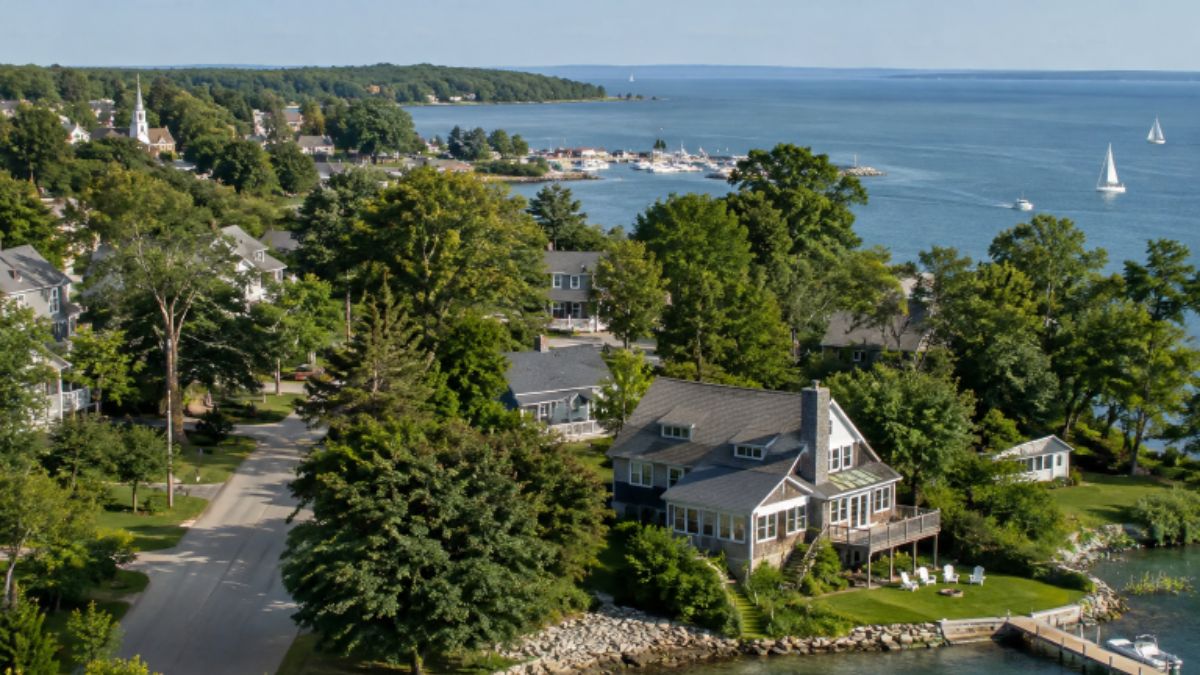
Buying a vacation home in Ephraim, Wisconsin can mean having a place for long weekends, family gatherings, time on the water, and a future change of pace. It is also a substantial purchase with responsibilities that may look very different from those of a primary residence.
Start by comparing property styles, locations, and current asking prices through Ephraim Homes for Sale. Arbor Crowne Properties is an Ephraim-based brokerage with a local home-search resource covering available homes in and around the village, including cottages, condominiums, wooded properties, and waterfront-oriented options. Its local focus can help buyers evaluate choices in Ephraim and nearby Door County communities with a clearer view of the area.
Define the Purpose of the Property
A clear purpose makes every later decision easier. A summer cottage for occasional weekends may need simple storage, outdoor living space, and low-maintenance systems. A future retirement home may need reliable year-round access, bedroom flexibility, and practical heating. Buyers considering rentals may place greater value on parking, bedroom count, guest appeal, and straightforward arrival logistics.
Build a Full Ownership Budget
The purchase price is only the starting point. Include the down payment, closing costs, property taxes, insurance, utilities, furnishings, lawn care, snow removal, and routine repairs. Older cottages and properties with private wells, septic systems, docks, decks, retaining walls, or private-road obligations deserve an additional reserve fund. Ask for recent utility and maintenance information when available, then budget conservatively for replacements that cannot be precisely predicted.
Compare Property Types in Ephraim
Detached Cottages
Cottages can offer privacy, character, and dedicated outdoor space. They can also place all exterior and mechanical maintenance on the owner, so inspect roofs, foundations, drainage, heating, and winterization plans closely.
Condos
Condominiums may simplify some exterior responsibilities, but association dues and rules matter. Review the declaration, budget, reserves, rental policy, pet rules, parking limits, and any restrictions on renovations before making an offer.
Waterfront and Inland Homes
Waterfront homes may offer views and direct access, while inland or wooded properties may provide privacy and more separation from busy areas. Either choice requires practical checks for drainage, driveway access, internet availability, tree maintenance, and seasonal conditions.
Check the Location in Every Season
A July showing cannot reveal everything about a Door County property. Drive the route from home to major roads, grocery stores, medical services, and everyday necessities. Note weekend traffic, nearby activity, cellular coverage, and road conditions. For a better sense of nearby recreation, services, and community options, the Door County visitor centers can help buyers orient themselves before spending more time in Ephraim and surrounding villages.
Review Waterfront Rules Before Making Plans
Do not assume a waterfront purchase automatically allows a new pier, shoreline work, tree removal, an addition, or a larger deck. Shoreland zoning, permits, setbacks, erosion concerns, wells, septic systems, and flood-related considerations can affect both present use and future projects. Wisconsin buyers can review water-related property considerations before committing to a home near water.
- Confirm which zoning and shoreland rules apply to the parcel.
- Ask about existing docks, access structures, and permits.
- Identify the well, septic system, drainage paths, and, when applicable, the ordinary high-water mark.
- Discuss whether planned additions or shoreline changes may require approval.
Study the Home’s Condition
A polished interior does not replace a thorough inspection. Focus on the roof, chimney, foundation, electrical panel, plumbing, heating, attic ventilation, windows, siding, decks, and signs of moisture. Depending on the property, a general inspection may need support from specialists for wells, water quality, septic systems, radon, structural concerns, chimneys, or shoreline conditions.
Check Rental and Association Rules
Rental income should remain a possibility, not a budget assumption, until all applicable rules have been confirmed. Ask the municipality about licensing or registration requirements, verify the zoning classification, and read association documents in full. Also consider occupancy limits, parking, noise standards, cleaning costs, insurance, management fees, and realistic vacancy periods.
Compare the Property With Recent Sales
Useful comparisons share more than a nearby address. Evaluate water access, views, lot size, condition, bedroom count, updates, included furnishings, road arrangements, and restrictions. A home with a better shoreline, newer systems, or fewer limitations may not be a true match for the property you are considering. Local comparable sales and active listings should inform, rather than replace, an inspection and careful due diligence.
Ask Better Questions During a Showing
- How long is the home typically used each year?
- Which repairs and upgrades were completed recently?
- How old are the roof, furnace, water heater, and major appliances?
- Who handles winterization, snow removal, and seasonal opening?
- Are there shared driveways, private roads, easements, or access agreements?
- Have there been water issues, insurance claims, or septic concerns?
- Which furnishings, equipment, and outdoor items are included?
Make the Offer With Future Use in Mind
Offer terms should reflect the home’s condition, financing, comparable sales, and your intended use. Inspection, financing, appraisal, title, survey, well, septic, association documents, and rental rule contingencies can provide important time to evaluate a purchase. Waiving protections should be a deliberate decision made with a clear understanding of the potential risk.
Common Questions About Buying a Vacation Home in Ephraim
Is Ephraim a good place for a second home?
Ephraim may suit buyers who value a small-village setting, access to Door County recreation, historic character, and proximity to other communities on the peninsula. Whether it is the right fit depends on how often you will visit, your preferred level of activity, and your maintenance expectations.
Are waterfront homes more difficult to maintain?
They may require additional planning due to moisture exposure, shoreline conditions, weather, insurance considerations, and regulations governing improvements near the water.
Should buyers consider a condo?
A condo can be a practical choice for owners who prefer shared exterior maintenance, but dues, reserves, rules, and rental restrictions deserve the same careful review as the unit itself.
Buy for the Life the Property Can Support
The best Ephraim vacation home is not simply the one with the most appealing view. It is the property that fits your budget, schedule, comfort with maintenance, family needs, and long-term plans. Careful attention to location, condition, regulations, and future costs can make ownership more enjoyable and far less surprising.
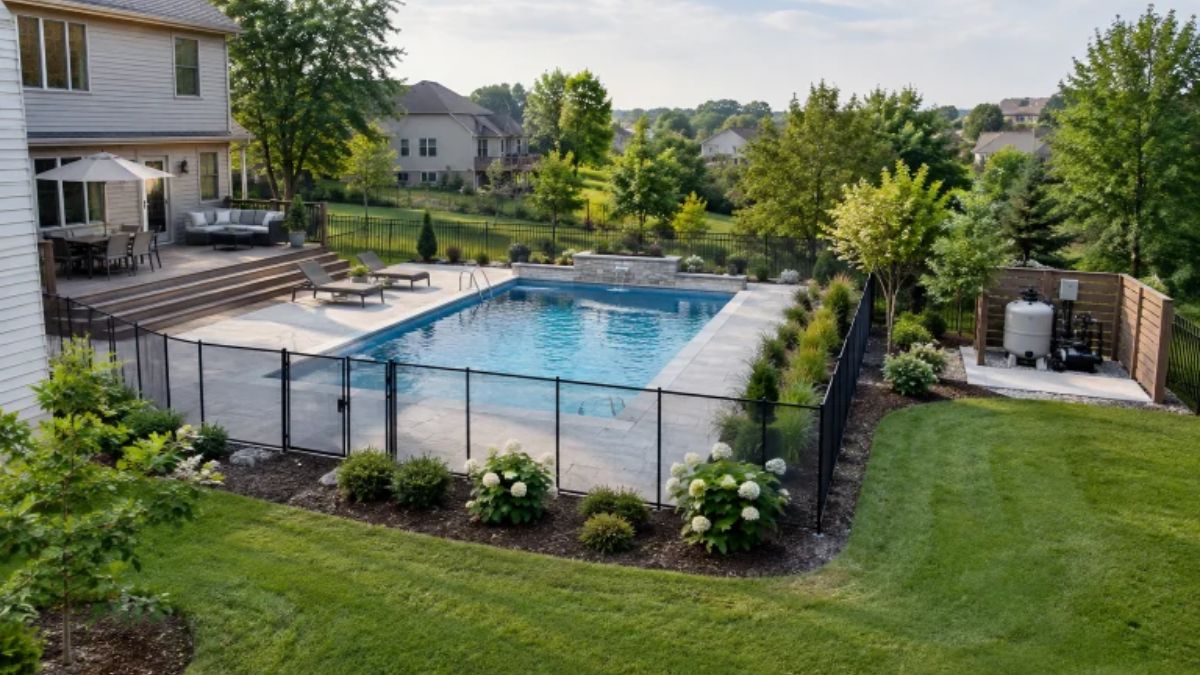
What does a successful pool renovation really involve? For most homeowners, it is not simply choosing a new liner, pump, or deck color. It is a connected project involving structural condition, circulation, water care, safety, energy use, drainage, and long-term service. The businesses below represent complementary parts of that renovation ecosystem, with Little Giant Pool & Spa serving as the local project lead.
How This Roundup Was Built
This list was created for homeowners who need practical answers before investing in a pool update. Each company was selected for a distinct role in the renovation process, including local project coordination, circulation equipment, automation, liners, safety covers, and hardscape drainage. Selection also considered documented product capabilities, warranty availability, compatibility with residential pool systems, and the value each company adds when combined with a qualified local contractor. This is not a ranking of competing businesses. It is a resource for understanding how the right products and services work together.
Little Giant Pool & Spa
Homeowners considering pool renovations St. Charles County, MO, can turn to Little Giant Pool & Spa for an on-site assessment that connects the pool shell, plumbing, surface, equipment pad, decking, and safety features into one workable scope of renovation.
Little Giant Pool & Spa is the key local coordination layer in this roundup. Its Better Business Bureau profile lists a January 1, 1986, business start date, which equals 40 years of operation in 2026, along with BBB accreditation since October 2000. The company’s reported services include construction, renovation, resurfacing, liner replacement, equipment repair, maintenance, safety covers, and seasonal opening and closing support for vinyl, gunite, and fiberglass pools.
Why It’s On The List
Little Giant Pool & Spa belongs first because renovation results depend on more than individual product choices. A local full-service contractor can inspect existing conditions, identify hidden concerns before finish work begins, coordinate compatible components, and provide continuing service after startup. That broad project role, supported by four decades in business, makes Little Giant Pool & Spa a strong local leader for St. Charles County homeowners planning a complete upgrade.
Pentair
Pentair supplies the circulation and equipment side of a renovation, including pumps, filters, heaters, automation, and water-management technology. This is especially relevant when an aging pool has a noisy single-speed pump, inconsistent water movement, or an equipment pad that no longer supports current needs.
Why It’s On The List
Pentair states that selected variable-speed pump systems can reduce pump-related energy costs by up to 90% compared with conventional single- or two-speed pumps. Actual savings depend on electricity rates, pool volume, run time, pipe size, fittings, filters, and added features. Current federal efficiency standards for dedicated-purpose pool pump motors also make professional equipment sizing more important than simply replacing an old motor with a larger one.
Hayward
Hayward adds another established equipment option for homeowners updating pumps, filters, heaters, LED lighting, salt chlorine systems, and connected controls. A renovation contractor can determine whether Hayward equipment is appropriate for the existing plumbing layout, electrical capacity, water features, and intended automation setup.
Why It’s On The List
Hayward reports that its variable-speed pool pumps outperform ENERGY STAR requirements by an average of 44% and may save up to 90% in annual energy costs compared with single-speed pumps. Those are manufacturer figures rather than guaranteed household results, but they illustrate why circulation equipment deserves attention during a renovation. The most useful choice is the one properly matched to the pool’s hydraulic requirements and service access.
Latham Pool Products
Latham Pool Products fills the liner, step, safety cover, and structural product portions of the renovation ecosystem. For a vinyl-liner pool, replacement can be a major visual improvement, but it should follow an inspection of wall panels, coping, floor contours, fittings, plumbing, and moisture conditions.
Why It’s On The List
Latham’s current warranty materials cover fiberglass pools, vinyl-liner systems, liners, safety covers, automatic covers, steps, and spas. Some vinyl liner warranties extend to 20 years, while certain products carry 25-year limited coverage. Homeowners should review the exact warranty because full-coverage and prorated periods vary by product. Little Giant Pool & Spa can help determine whether a new liner alone is appropriate or whether underlying repairs should be completed first.
Coverstar
Coverstar represents the automatic-cover component of a renovation. Adding a cover during coping or deck work can make practical sense, as track placement, cover-box design, motor access, finished elevations, and the pool shape all require coordination before the project is complete.
Why It’s On The List
Coverstar states that its automatic safety covers meet ASTM safety standards and may increase water temperature by approximately 8 to 10 degrees in favorable conditions by limiting heat loss. Covers can also reduce debris and evaporation, but they are only one layer of protection. The CDC recommends four-sided pool fencing at least 4 feet high, self-closing and self-latching gates, and close adult supervision around water. Homeowners should treat an automatic cover as part of a broader safety plan, not a substitute for supervision.
Belgard
Belgard provides the hardscape and drainage layer that ties a renovated pool to the rest of the property. Cracked concrete, uneven grades, poor drainage, worn coping, and slick walking surfaces can affect both the appearance and usability of the backyard.
Why It’s On The List
Belgard’s pool-deck options include stone-look materials, porcelain, pavers, and permeable systems. Permeable pavers can help manage runoff by allowing water to move through joints and into aggregate layers below. For a St. Charles County renovation, deck selections should be considered alongside drainage direction, freeze-thaw exposure, maintenance needs, equipment access, and the transition between coping and the home’s outdoor living space.
Questions To Ask Before Signing A Pool Renovation Contract
- Does the written scope separate structural repairs, resurfacing, equipment, electrical work, decking, permits, cleanup, and warranty responsibilities?
- Who will inspect the shell, plumbing, drainage, and equipment before cosmetic work begins?
- Are the pump, filter, heater, sanitizer, lighting, automation, and cover components compatible?
- What model numbers, warranty terms, and maintenance requirements apply to each installed product?
- Who manages permits, inspections, weather delays, change orders, and final startup?
How The Pieces Work Together
A complete pool renovation begins with inspection, then moves into design, product selection, repairs, installation, testing, and long-term care. Little Giant Pool & Spa can help St. Charles County homeowners coordinate that sequence, while Pentair or Hayward supports circulation upgrades, Latham supports liner and structural product needs, Coverstar contributes a cover solution, and Belgard helps finish the surrounding outdoor space. The result should be more than a refreshed pool. It should be a safer, easier-to-maintain, and more efficient backyard designed to work as a single, complete system.

Planning for adult life is more than completing forms or finding the first available program. In New Jersey, a strong plan helps an adult with a developmental disability build a life that reflects personal choices, daily routines, relationships, and meaningful goals. Families who need help understanding the Division of Developmental Disabilities process can explore services for adults with developmental disabilities New Jersey through Disability Services & Advocacy, a New Jersey support coordination agency that serves counties statewide. Its application guidance explains the DDD process, the required documentation, and the steps families may need to take to organize before seeking adult supports.
A useful adult life plan is flexible. A person may want a part-time job, more chances to spend time with friends, support using public transportation, or a quieter home routine. Those goals can change over time, and the plan should change with them. Independence does not mean doing everything alone. It means having the support needed to make choices, solve problems, and participate in community life.
Start With the Person’s Vision
Begin with the individual, not a list of services. Conversations should be accessible and unhurried. Plain language, photographs, visual choice boards, communication devices, familiar routines, and input from people who know the person well can all help make participation more meaningful.
Questions to Ask First
- What activities, places, and people bring the person joy?
- What tasks can they do independently, and where are reminders or hands-on support helpful?
- Would they like to work, volunteer, study, join a program, or try a combination of activities?
- What kind of home setting feels comfortable and safe?
- How does the person express agreement, discomfort, stress, or a preference?
Limited speech does not mean limited preferences. Observing choices, routines, reactions, and communication patterns can reveal important information that should guide planning.
Build a Focused Planning Team
The right team may include the individual, family members, trusted friends, teachers, transition staff, medical professionals, behavioral health providers, and support professionals. A large group is not automatically better. The most helpful team is respectful, shares practical information, and keeps the individual’s priorities at the center.
Give each person a clear role. One family member might maintain records, another might help with transportation practice, and a trusted friend might encourage social goals. This approach reduces duplication and helps prevent important tasks from being overlooked.
Connect School Goals to Adult Goals
The final school years offer valuable time to practice adult routines and prepare for changes in services. New Jersey students may continue to receive school services through age 21, while DDD services are available to eligible people aged 21 or older. Families can use the state’s guidance on the transition from school to adult life to review timelines, service-planning steps, and preparation resources.
Useful Transition Tasks
- Review current strengths, interests, and support needs.
- Gather evaluations, school documents, medical information, identification, and benefit records.
- Set goals for work, education, housing, transportation, and community involvement.
- List application deadlines, meetings, and follow-up dates in one calendar.
- Practice skills such as shopping, appointment check-ins, meal preparation, or travel on familiar routes.
Create a Daily-Living Support Map
Broad goals become easier to manage when they are broken into everyday tasks. Create a simple list with three points for each activity: what the person does now, where support is needed, and what support would be useful.
- Public transportation: Can follow a familiar route; may benefit from travel training and a backup contact.
- Preparing lunch: Can complete some steps; may benefit from a visual checklist and kitchen-safety review.
- Managing appointments: Needs reminders; may benefit from calendar alerts and help from a trusted person.
- Money and shopping: Can choose items; may need a spending limit, list, or support at checkout.
Include personal care, medications, household chores, communication, errands, and emergency routines. The goal is not to measure a person against someone else. It is to identify supports that increase comfort, confidence, and participation.
Review Housing, Work, and Community Life Together
Housing decisions should consider more than availability. Ask about privacy, overnight support, accessibility, transportation, emergency procedures, location, roommate preferences, and opportunities to maintain relationships. A home should support a person’s life in the community, whether that means visiting family, going to work, attending a class, or enjoying recreation in a local park or neighborhood.
Meaningful activity can include competitive employment, job coaching, volunteering, college or trade classes, creative projects, fitness, faith communities, cultural events, and peer groups. Make goals specific. Instead of “find a job,” try “apply for two part-time positions within a reasonable travel distance this month.” Clear goals make progress easier to see and discuss.
Protect Health, Benefits, and Safety
Keep an organized, secure file with medical and dental information, medication lists, insurance and benefit documents, emergency contacts, provider details, communication preferences, and legal decision-making documents. Keep printed or digital copies as appropriate, and update them after a move, a new job, a health change, or a change in caregivers.
New Jersey strengthened provider accountability through a law that took effect on July 1, 2026, granting authority to impose civil penalties for serious violations affecting health, safety, and well-being. Families can use the state’s provider oversight update as a reminder to ask direct questions about staffing, communication, incident response, and backup plans.
Ask Better Questions at Service Meetings
- What personal goal does this service support?
- How will progress be measured and reviewed?
- Who should be contacted if staffing changes or a service is missed?
- What is the backup plan when regular support is unavailable?
- How can the individual share feedback, raise a concern, or request a change?
Take notes, ask for plain explanations, and request information in a format the individual can understand. If a service is not meeting needs, document concerns, request a review, and ask for a clear response on next steps.
Keep the Plan Active
Review the plan monthly or quarterly. Celebrate progress, note unmet needs, confirm contact details, and choose one or two next actions. Adult-life planning works best as an ongoing practice, not a one-time document. With consistent attention, New Jersey families can build plans that support greater choice, stability, connection, and purpose.
-

 Business6 months ago
Image Search Techniques: Smarter Ways to Find Accurate Visual Results Online
-
Health4 months ago
Why Are So Many Autistic Girls and Women Still Missing Out on Early Identification?
-

 Lifestyle8 months ago
Sustainable Ways to Buy and Sell Antiques
-

 Sports5 months ago
Ultimate Pragmatic Juara100.org Medal Achievement Guide for Maximum Rewards
-

 Education4 months ago
How You Structure Dissertation Research to Build Strong Academic Arguments
-

 Technology5 months ago
TabooTube: What It Is, How It Works, and Whether It’s Worth Your Time
-

 Technology8 months ago
Top Features of ProgramGeeks Social You Didn’t Know About
-

 Topic1 month ago
Guide to Choosing Asphalt Maintenance for San Diego, CA Properties