
Topic
How OEMs Avoid 20% Cost Overruns: A Data-Driven Framework for Selecting High-Performance Gear Manufacturing Service

Introduction
For OEMs sourcing critical drivetrain components like gears, the true cost is often realized too late. Project budgets can hemorrhage by up to 20% due to unforeseen overruns stemming from late-stage rework, unpredictable heat-treatment distortions, and cascading delivery delays from poor supplier coordination. This financial bleed is rarely due to a single error, but a symptom of a deeper systemic issue.
The root cause lies in treating a gear as a standardized commodity rather than a systems-level engineering challenge. Relying on supplier capability sheets or simple unit-cost comparisons is a recipe for risk. What’s missing is a systematic decision framework that connects design intent, application load cases, and production volume directly to the optimal manufacturing process. This article presents a data-driven, four-level framework designed to help engineering and procurement teams systematically evaluate and select gear manufacturing services, locking in performance, reliability, and total cost from the outset.
What Makes Modern Gear Drives Fundamentally Different for EVs and Robotics?
The performance bar for gears has been radically reset by applications like electric vehicles and advanced robotics. These platforms impose a new set of extreme performance demands that stretch traditional gear design and manufacturing to their limits. Success is no longer just about transmitting torque; it’s about doing so with unprecedented efficiency, quietness, and precision under dynamic conditions.
- The NVH Imperative in High-Speed Applications: In EV transmissions operating at 15,000+ RPM, NVH control is paramount. Noise, vibration, and harshness are not just comfort issues; they are efficiency and durability issues. Every micron of profile deviation or surface irregularity becomes a source of excitation. This demands not just tighter geometric tolerances, but superior surface finishes and tooth contact patterns achieved through ultra-precise manufacturing and predictive simulation, moving beyond the capabilities of conventional gear production.
- The Power Density and Lightweighting Paradox: Modern drives demand higher power density and weight reduction This forces the use of advanced, often less machinable materials and pushes designs towards thinner webs, smaller root radii, and complex, integrated geometries. The manufacturing process must deliver high strength and precision without compromising the structural integrity of these lightweight designs, creating a significant challenge for traditional, high-force cutting methods.
- Precision as a System Requirement: Precision is no longer just a dimensional spec; it’s a functional prerequisite. As articulated in standards like ASME Y14.5, modern precision gear manufacturing extends from geometric control to the systematic assurance of functional performance. This means guaranteeing not just the accuracy of a single gear, but the precise alignment, load distribution, and thermal stability of the entire gear system under dynamic operating conditions, a feat requiring integrated engineering from design to final validation.
How Does a Faulty Gear Manufacturing Process Selection Cascade into Cost and Delays?
A single, seemingly minor error in process selection can initiate a costly chain reaction. Choosing a process that is merely “capable” on paper, but not optimal for the specific application, installs hidden defects that manifest as catastrophic failures or exponential cost growth during production. The overruns are not from the part itself, but from the unplanned interventions required to salvage it.
1. The Domino Effect of Inadequate Heat Treatment
Selecting an inappropriate heat treatment process is a primary catalyst for overruns. For a high-load robotic joint gear, opting for through-hardening instead of case carburizing might save initial cost. However, this can result in a gear with insufficient core toughness or an incorrectly formed case depth. The part may pass initial inspection but fail prematurely under dynamic loading, or worse, distort unpredictably during treatment, requiring costly secondary grinding operations that were never budgeted, blowing timelines and budgets.
2. Tolerance Stack-Ups from Disconnected Manufacturing Stages
When gear cutting, heat treatment, and finishing are treated as isolated steps by different vendors or without integrated planning, tolerance stack-ups become a silent budget killer. A gear hobbed to a tight tolerance can see that precision vanish after quenching due to unmanaged distortion. The subsequent grinding operation must then remove excess material to reclaim the geometry, increasing cost and cycle time. This lack of a holistic process view turns each stage into a potential source of cumulative error and cost addition.
3. The Hidden Cost of Reactive Quality Management
A manufacturer without a proactive quality management system operates in a fire-fighting mode. Without the preventive disciplines mandated by standards like ISO 9001 and IATF 16949 — such as Advanced Product Quality Planning (APQP) and Process Failure Mode and Effects Analysis (PFMEA) — problems are found late. This leads to 100% inspection, sorting, scrap, rework, and delayed shipments. The cost isn’t just in the bad parts; it’s in the immense overhead of managing the fallout, a direct hit to project profitability.
What Are the Hidden Trade-Offs Between Hobbing, Shaping, Grinding, and Powder Metallurgy?
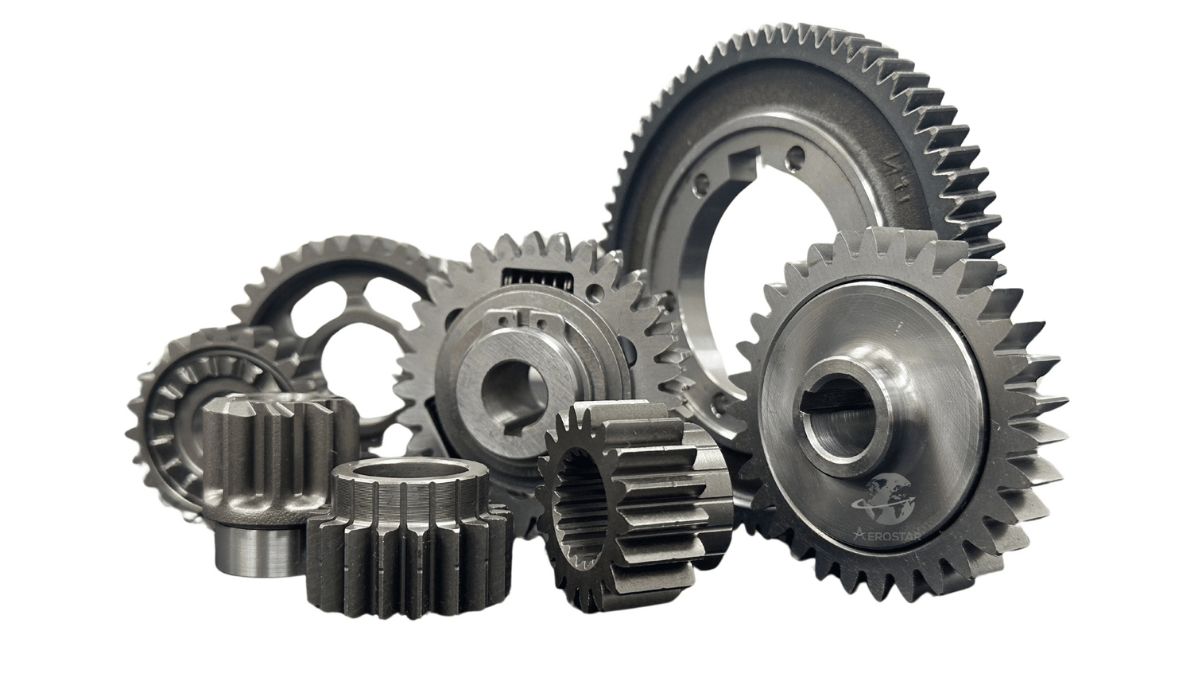
Understanding gear manufacturing methods requires moving beyond a simple capabilities checklist. Each primary process comes with a set of inherent trade-offs between speed, precision, material options, and economic viability at different volumes. The “best” process does not exist; only the most appropriate one for a specific set of design, performance, and commercial constraints.
1. Hobbing vs. Shaping: The Efficiency vs. Flexibility Balance
Gear hobbing is the workhorse for high-volume production of spur and helical gears, offering excellent surface finish and high production rates. However, it struggles with internal gears or components positioned close to shoulders. Gear shaping, while generally slower, provides superior flexibility for internal gears, cluster gears, and parts with limited axial space. The choice hinges on gear geometry and the required production throughput, with hobbing favoring speed and shaping favoring design complexity.
2. The Essential Role of Grinding for Hardened Precision
For high-power or high-precision applications, gears are hardened after cutting to achieve necessary wear resistance. This hardening process induces distortion. Gear grinding is the primary method for finishing these hardened gears, restoring micro-geometric accuracy and achieving the superior surface integrity required for low noise and long life. It is a slower, more expensive process, but it is non-negotiable for achieving the highest quality classes (e.g., AGMA 12 or DIN 2). The trade-off is between the added cost of grinding and the performance gain it enables.
3. Powder Metallurgy: The High-Volume, Complexity Solution
Powder metallurgy (PM) is a net-shape process ideal for producing complex, near-net-shape gears in enormous volumes with minimal material waste. It excels at creating unique geometries like helical gears with hubs or complex profiles in a single press. The trade-offs are significant: PM gears typically have lower fatigue strength and impact resistance than their wrought counterparts due to inherent porosity. They are a cost-effective solution for high-volume, moderate-load applications, but are not suitable for highly stressed drivetrain applications.
Can 5-Axis CNC Machining Be the Ultimate Solution for Complex, Low-Volume Custom Gears?
For prototypes, low-volume production, or highly complex integrated components, 5-axis CNC machining is a transformative technology. It breaks the constraints of traditional, dedicated gear-cutting tools (hobs, shapers) by using standard rotary cutting tools controlled by advanced software. This enables unparalleled freedom to machine the entire gear geometry — teeth, shaft, bearing seats, and housing features — in a single setup.
1. Unmatched Flexibility and Rapid Iteration
The primary advantage of 5-axis CNC gear machining is its agility. There is no need for expensive, lead-time-intensive custom hobs or shaping cutters. A change in gear parameters simply requires a program update. This makes it the ideal process for prototype development, design validation, and low-volume production where the cost of dedicated tooling cannot be justified. It allows for rapid iteration and testing of different tooth profiles, pressures angles, or composite geometries without prohibitive investment.
2. Unifying Geometry and Eliminating Setup Error
By machining the entire gear component — including all functional and locating features — in one fixturing, 5-axis CNC eliminates the cumulative errors inherent in transferring a part between multiple machines or setups. The critical relationships between the gear teeth, mounting bores, and datum surfaces are established with the highest possible geometric integrity. This is crucial for complex, one-piece components like planetary carriers or custom actuator assemblies where concentricity and perpendicularity are paramount. For designers seeking a deeper dive into the process roadmap for custom gear machining, a detailed internal guide provides further decision trees and case studies.
3. The Precision and Material Versatility Balance
Modern 5-axis machines equipped with high-speed spindles and precision rotary tables can produce gears that meet AGMA 9-10 quality levels, suitable for many advanced applications. This process is also material-agnostic, capable of machining everything from aluminum and plastics for lightweight prototypes to hardened tool steels and exotic alloys for functional testing. While it may not match the surface finish or ultimate production speed of dedicated gear grinding for the highest volumes, it provides an exceptional balance of speed, precision, and flexibility for the most demanding custom gear manufacturing challenges.
What Should a Truly Reliable Gear Manufacturing Partner Bring Beyond Machine Lists?
A list of machines is a commodity; the engineering intellect and systemic discipline behind them are the differentiators. A true partner serves as an extension of your engineering team, bringing a holistic set of capabilities that de-risk the entire process from design to delivery. The selection criteria must move beyond hardware to a systemic evaluation of integrated capabilities.
- Integrated Engineering and Proactive DFM: The first sign of a true partner is proactive Design for Manufacturability (DFM) They should not just quote to print but should analyze the design for potential issues in heat treatment distortion, suggest optimal tolerance allocations, and recommend design tweaks that enhance performance or reduce cost without compromising function. This upfront collaboration prevents costly changes downstream and optimizes the component for the selected manufacturing process.
- Mastery of Material Science and Thermal Processing: Deep, applied knowledge of material science and thermal processing is non-negotiable. A premier partner understands how different alloy compositions behave during cutting and heat treatment. They use simulation software to predict and compensate for quenching distortion, and they control their furnaces with precise atmospheric or vacuum cycles. This mastery, as championed by professional bodies like the Manufacturing Engineering Society (SME), transforms heat treatment from a source of variation into a controlled, predictable step that enhances performance.
- A Culture of Traceability and Systemic Quality: Certifications like IATF 16949 and AS9100D are proxies for a culture of prevention. They mandate a rigorous framework for advanced quality planning, statistical process control (SPC), and full traceability. This means every gear can be traced back to its raw material batch, heat treatment lot, and inspection results. This system prevents defects rather than just detecting them, ensuring consistent quality and providing the data needed for any future root-cause analysis, which is invaluable in regulated or safety-critical industries.
How to Implement a Four-Step Decision Framework for Your Next Gear Sourcing Project?
Moving from ad-hoc selection to a structured, data-driven process is the key to avoiding cost overruns. This four-step framework provides a logical pathway to align your design requirements with the optimal manufacturing solution and the right partner, transforming sourcing from a procurement activity into a strategic engineering function.
1. Step 1: Define the Performance Envelope
Begin by rigorously defining the non-negotiable performance requirements. This includes creating a detailed load spectrum (torque, speed, cycles), defining the required service life and reliability targets, and specifying the necessary accuracy grade (e.g., AGMA, DIN, JIS). Also, consider the operating environment (temperature, contaminants) and any noise or weight constraints. This first step creates the technical specification that all subsequent decisions will be measured against, moving the conversation beyond simple print dimensions.
2. Step 2: Reverse-Map to a Viable Process Path
With the performance envelope defined, work backwards to identify the 2-3 most viable manufacturing pathways. A high-volume, moderate-strength gear might point to powder metallurgy. A high-precision, high-strength transmission gear will necessitate hobbing/shaping followed by case hardening and grinding. A low-volume, highly complex prototype points directly to 5-axis CNC machining. This step involves technical feasibility analysis to ensure the desired material, hardness, and precision can be achieved by the candidate processes, narrowing the field from all possibilities to a shortlist of practical options.
3. Step 3: Model the Total Lifecycle Cost (TCO)
Conduct a total cost of ownership analysis for the shortlisted processes. This goes far beyond unit price. Model all cost drivers: raw material yield, tooling amortization (hobs, fixtures), per-part machining/processing time, heat treatment and finishing costs, expected scrap/rework rates, and even assembly implications. A process with a higher unit cost but lower tooling investment and faster turnaround might have a lower total project cost for a prototype run. This financial modeling provides the objective basis for the final selection.
4. Step 4: Audit the Partner’s Systemic Capability
Finally, evaluate potential suppliers against the criteria in H2-5. Do they offer integrated engineering support? Can they demonstrate mastery over the full process chain, especially heat treatment? Is their quality system certified and proactive? Do they provide full data traceability? This audit verifies that the chosen supplier has the technical depth, management systems, and cultural alignment to execute the selected process path flawlessly, turning the theoretical framework into a delivered, high-performance component.
Conclusion
In today’s demanding engineering landscape, sourcing critical components like gears must evolve from a reactive, price-driven activity to a proactive, systems-engineering partnership. A structured decision framework that connects performance requirements to the optimal manufacturing process and a deeply vetted partner is the most powerful tool an OEM has to mit technical risk, control total lifecycle cost, and ensure success. By adopting this data-driven approach, engineering and procurement teams can transform gear sourcing from a common source of overruns into a reliable foundation for product performance and market competitiveness.
FAQs
Q: What is the most cost-effective gear manufacturing method for high-volume production (over 10,000 units)?
A: For high-volume runs of moderately complex gears, powder metallurgy (PM) is often most cost-effective due to minimal waste. For high-strength, high-precision gears, hobbing with case hardening is typical, as tooling costs are amortized. The true best method depends on the specific geometry, material, and strength requirements, requiring a detailed TCO analysis.
Q: How does heat treatment affect the final accuracy of a precision gear?
A: Heat treatment like carburizing induces internal stresses that cause predictable distortion. Advanced suppliers use simulation to model this distortion and program compensatory pre-distortion into the soft machining stage. This “design for distortion” approach, combined with controlled-atmosphere furnaces, ensures the hardened gear meets micron-level accuracy without excessive grinding.
Q: What are the key quality documents I should request from a gear machining service provider?
A: Essential documents include: Material Test Reports (MTRs) for composition; First Article Inspection Reports (FAIR) with full CMM/gear data; Heat Treatment charts; and Surface Finish reports. For regulated industries, proof of relevant certifications (IATF 16949, AS9100D) and full process traceability are non-negotiable for verifying process control.
Q: Can I get a functional prototype gear without investing in expensive tooling first?
A: Yes. For form/fit checks, 3D printing is fast and cheap. For functional testing under load, 5-axis CNC machining is ideal, producing fully dense metal gears with high accuracy using standard tools, allowing validation before any hob or mold is made. Vacuum casting is another option for small batches in various materials.
Q: What is the lead time difference between prototype gear machining and full-scale production?
A: Prototype machining via 5-axis CNC can deliver parts in 3-10 business days. Full-scale production requires manufacturing dedicated hobs/shapers (2-4 weeks), process qualification, and fixture setup, leading to initial samples in 4-6 weeks. A reliable partner provides a clear, phased timeline during the quoting stage.
Author Bio
The insights in this article are contributed by manufacturing specialists with deep expertise in precision drivetrain components for demanding sectors such as automotive, robotics, and aerospace. Their analysis is based on practical experience in applying systems engineering principles to complex production challenges. For teams developing next-generation electric drive units, robotic actuators, or aerospace systems, a professional manufacturing feasibility review is often the critical first step. The engineering team at LS Manufacturing offers complimentary preliminary design and process consultations to help optimize designs for performance and manufacturability. Learn more about their integrated gear manufacturing services to explore how a collaborative approach can de-risk your next project.
You May Also Read : Glossywise com: A Complete Guide to Understanding the Platform and Its Digital Value

After an accident, the top priorities are safety, medical care, and ensuring the immediate facts are documented. Legal questions often come later, but waiting too long to recognize a complicated claim can make recovery more difficult. A consultation may be worth considering when injuries are serious, fault is disputed, or an insurance company is pressuring you to settle before you understand the full impact of the crash.
Reliable guidance can help people make calmer decisions during an overwhelming time. The legal resources available at chamlinlaw.com may be useful when an accident raises questions about insurance coverage, medical expenses, lost wages, or potential compensation. Every situation is different, so practical steps and timely advice matter.
The First Few Minutes After A Crash
At the scene, focus on preventing further harm. Call 911 if anyone may be injured, if traffic is blocked, if vehicles cannot be moved safely, or if there is a fire, a fuel leak, or another immediate danger. If it is safe and permitted, move out of traffic and exchange basic contact, vehicle, and insurance information with the other drivers.
Try not to argue about fault or make assumptions about what happened. Stress and adrenaline can affect memory, and early statements may be incomplete. A police report, photographs, witness accounts, and a later investigation may provide a clearer picture. If you are too injured or shaken to gather information, ask a passenger, witness, or responding officer for help.
Why Medical Care Should Come First
Some accident injuries are obvious immediately, while others develop over hours or days. Pain, dizziness, headaches, numbness, stiffness, sleep changes, and emotional distress should be taken seriously and discussed with a qualified medical professional. Emergency symptoms or worsening symptoms require prompt care.
Medical records can also provide an important timeline. Follow the treatment plan, attend recommended appointments when possible, and tell providers about all symptoms and limitations. This is not simply about a potential claim. Consistent care helps you understand your condition and gives providers the information they need to evaluate it properly.
How To Preserve Useful Evidence
Evidence can disappear quickly after a collision. Take photographs or video of vehicle damage, the road, skid marks, traffic signals, weather conditions, visible injuries, and anything else that may explain the event. Save the police report number, witness contact information, towing paperwork, repair estimates, and communications about the crash.
Do not assume that only photographs matter. Many vehicles have systems that record limited technical information around a collision. The National Highway Traffic Safety Administration explains that event data recorders can capture vehicle and occupant information for a brief period before, during, and after a crash. In a serious case, preserving the vehicle and seeking legal advice early may help prevent useful evidence from being lost.
What To Know Before Calling An Insurance Company
Most policies require prompt notice of an accident, so report the crash to the appropriate insurer without unnecessary delay. Stick to basic, accurate facts. Do not guess about speed, fault, the cause of the collision, or the full extent of injuries when you do not yet know those answers.
An adjuster may request a recorded statement, medical authorization, or settlement release. These documents can have consequences, particularly when treatment is ongoing or responsibility is disputed. It may be time to speak with a personal injury lawyer before providing a recorded statement or signing a release if you have substantial injuries, uncertainty about fault, or an offer that arrives before your prognosis is clear.
How To Track Bills, Missed Work, And Symptoms
Keep one organized folder, notebook, spreadsheet, or secure digital file for accident-related records. Include the following:
- Medical visit dates, provider names, prescriptions, and test results.
- Bills, insurance explanations of benefits, therapy expenses, and receipts.
- Missed workdays, reduced hours, and correspondence with an employer.
- Transportation costs and help needed with household or childcare tasks.
- A brief daily record of pain, mobility, sleep, mood, and activities you cannot do normally.
These notes can show how an injury affects daily life beyond the initial emergency visit. For example, someone may return to work but still struggle to drive, lift supplies, sleep comfortably, or care for a child. Details recorded close to the event are generally easier to remember accurately later.
Crashes That May Require Faster Legal Help
Some accidents become complicated quickly. Collisions involving commercial trucks may involve a trucking company, maintenance records, dispatch information, or multiple insurance policies. Rideshare accidents can involve app activity and different coverage questions. Pedestrian, bicycle, and motorcycle crashes may require careful investigation of visibility, roadway design, and vehicle movement.
It is also wise to seek legal guidance promptly after a hit-and-run, a crash involving an uninsured or underinsured driver, a collision with a government vehicle, or an accident that caused a fatality or permanent impairment. A lawyer can review the available facts, identify potential parties, explain next steps, and communicate with insurers while you focus on treatment.
Deadlines, Claim Choices, And Legal Questions
Deadlines for injury claims vary by state and can depend on the type of case. Claims involving government entities, wrongful death, minors, and insurance coverage disputes may have special notice rules or different filing periods. Do not rely on a general online timeline when a deadline could affect your rights.
A lawyer is especially helpful when an insurer denies responsibility, minimizes injuries, claims you were at fault, or refuses to offer enough to address documented losses. A consultation can also clarify the difference between making an insurance claim, negotiating a settlement, and filing a lawsuit. You do not need to decide immediately that litigation is necessary; ask informed questions.
Common Mistakes To Avoid
- Delaying medical care despite concerning symptoms.
- Failing to save photos, messages, damaged property, or paperwork.
- Posting detailed statements, photos, or opinions about the crash on social media.
- Giving rushed answers when you are unsure of the facts.
- Accepting a settlement before the injury and future care needs are understood.
- Ignoring emotional or psychological effects after a traumatic accident.
Avoiding these mistakes does not mean treating every accident as a lawsuit. It means protecting your health, keeping accurate records, and being cautious before making decisions that cannot easily be undone.
A Simple Post-Crash Checklist
- Get to safety and call 911 when needed.
- Exchange information and identify witnesses.
- Photograph the scene, vehicles, and visible injuries.
- Seek medical care and follow medical instructions.
- Report the accident under the terms of your insurance policy.
- Save bills, records, messages, and proof of missed work.
- Be careful with recorded statements, releases, and early settlement offers.
- Consult a personal injury lawyer when injuries are serious, facts are disputed, or the claim is complex.
The most important step after an accident is to protect your health. Once immediate needs are addressed, careful documentation and timely legal guidance can help you make decisions based on the full situation rather than pressure, uncertainty, or an incomplete understanding of your losses.
You May Also Read : Transforming Women’s Health: The Shift Toward Patient-Centered Care

For families, school groups, wedding parties, sports teams, and business travelers in Wilkes-Barre, airport transportation is easiest when it is treated as part of the trip, not an afterthought. Booking an airport shuttle service Wilkes-barre can give a group one coordinated departure plan instead of several separate rides. Caruth Bus Lines serves Northern Pennsylvania with school transportation, charter trips, shuttle services, and airport transportation, making the company a relevant local example for groups that need organized pickups, passenger coordination, and vehicles suited to different trip sizes.
Whether travelers are leaving from Wilkes-Barre, Kingston, Dallas, Mountain Top, or another nearby community, small details can decide whether the morning feels calm or rushed. Passenger counts, baggage volume, weather, road conditions, terminal instructions, and flight changes should all be considered before the vehicle arrives.
Why Airport Transfer Planning Matters
Air travel starts when the group leaves home, the hotel, campus, office, or event venue. A missed turn, a passenger who is not ready, or a congested airport entrance can place pressure on everyone. Airport access is different from one location to another, and a federal review of airport access describes how transportation options and roadway conditions can vary widely among U.S. airports.
For group travel, one shared vehicle can simplify the day. The organizer has one departure time, one communication chain, and one plan for getting everyone to the terminal area together.
Start With an Accurate Passenger Count
Do not rely on an estimate. Confirm who is riding several days before departure, then check the day before the trip again. A newly added relative, a child who needs a car seat, or a coach carrying equipment can change the appropriate vehicle.
Details to Confirm
- Total adults and children traveling.
- Mobility aids, wheelchairs, walkers, or boarding assistance needs.
- Checked bags, carry-ons, and personal items.
- Sports gear, instruments, presentation materials, or other oversized items.
- Whether the same group needs return transportation after the flight.
Choose the Right Vehicle for the Group
Seat capacity is only one part of the decision. A vehicle that seats every passenger may still be a poor fit if luggage fills the available storage space. For a short ride with light bags, a van may work well. A larger wedding group or team may benefit from a bus that keeps everyone together and reduces the number of separate arrivals.
Compare These Factors
- Comfort during the drive, especially for early departures or longer routes.
- Available storage after all passengers are seated.
- Climate control for summer heat or cold Pennsylvania mornings.
- Ease of entering and exiting for children, older adults, and guests with limited mobility.
- The number of planned pickup stops before heading to the airport.
Build a Realistic Travel Timeline
Work backward from the flight departure time. Begin with the airline’s recommended arrival window, then add the normal drive, passenger loading, baggage handling, traffic, and time needed to navigate airport roads. In the Wilkes-Barre area, a group may be traveling to a nearby regional airport or beginning a longer drive to a larger airport, so the route deserves attention well before travel day.
- Confirm the airline, terminal, and scheduled departure time.
- Set the target time for arriving at the airport.
- Add normal driving time and a cushion for traffic or weather.
- Add time for each pickup location and loading luggage.
- Share one firm departure time with the entire group.
Plan for Luggage and Special Items
Luggage is often the reason a transportation plan needs adjustment. Ask each traveler to report bags honestly, including carry-ons that may take up interior space. A team traveling with gear, a family carrying strollers, or wedding guests bringing garment bags may need more room than the passenger count suggests.
- Keep passports, medication, chargers, and travel documents in personal carry-ons.
- Label every checked bag with current contact information.
- Tell the transportation provider about oversized items before finalizing the reservation.
- Leave space for items travelers may bring back after the trip.
Set Clear Pickup and Drop-Off Points
“Meet at the airport” is not enough direction for a large group. At departure, provide the complete pickup address and a recognizable meeting spot. At arrival, include the terminal, level, door number if available, and a nearby landmark. Travelers should also know whether they need to wait inside baggage claim, at a commercial vehicle area, or at another designated location.
Send the plan in one written message at least a day before travel. Include the lead traveler’s phone number, the transportation contact, the airline, the flight number, and instructions for anyone who is running late.
Prepare for Delays and Schedule Changes
Delays do not have to create confusion if responsibilities are clear. Choose one lead contact and one alternate contact. Both should have the reservation details and be ready to communicate changes. Before booking, ask whether the provider monitors flight information for arrivals, how waiting time is handled, and what steps to follow if a flight lands earlier or later than expected.
Questions to Ask Before Booking
- What vehicle is planned for the group?
- How many passengers and bags can it accommodate comfortably?
- Are tolls, airport fees, or waiting time addressed in the quote?
- How are schedule changes and cancellations handled?
- Who confirms final pickup details before travel day?
- Can the group arrange multiple pickup locations if needed?
A Simple Airport Transfer Checklist
- Confirm the final rider list.
- Count bags and identify special items.
- Verify flight, terminal, and airline information.
- Select a vehicle with sufficient seating and storage.
- Set a pickup time with extra room for delays.
- Save the driver or dispatch contact details.
- Send the full plan to every traveler.
- Review the plan once more on travel day.
Final Thoughts
Reliable airport transportation in Wilkes-Barre, Pennsylvania, comes down to preparation. When the group knows who is riding, what they are bringing, when to leave, and where to meet, the transfer becomes a smoother first step in the trip. A few minutes spent organizing the details can help keep travelers together, on schedule, and focused on the journey ahead.
You May Also Read : What Is Incestflox? Understanding the Online Search Term and Internet Safety

A staircase fall can happen in a moment, yet the effects may last for weeks, months, or longer. Uneven steps, missing handrails, poor lighting, slippery surfaces, and clutter can turn an ordinary trip up or down the stairs into a serious accident. For people dealing with injuries after a fall on another person’s property, phillyslipandfallguys may be a useful starting point for understanding the practical and legal questions that can follow.
Not every staircase accident results from someone else’s carelessness, and not every dangerous condition creates legal responsibility. Still, knowing how to identify hazards, protect your health, and preserve important details can make a meaningful difference after an injury.
Why Staircase Falls Matter
Stairs pose risks different from those of a same-level trip. A person may take multiple steps, land awkwardly, fall over a railing, or be unable to stop their descent. Injuries can include fractures, sprains, knee damage, back injuries, concussions, and cuts. The risk of slips, trips, and falls is especially significant when walking surfaces are wet, obstructed, or poorly maintained.
Older adults, young children, workers carrying materials, and people with mobility limitations may face greater danger, but anyone can be seriously hurt. The key question after a fall is not simply whether someone fell. It is what caused the fall, whether the danger should have been addressed, and how the injury has affected the person’s life.
Frequent Staircase Hazards
Broken, Uneven, or Worn Steps
Cracked concrete, loose boards, warped treads, and chipped step edges can interfere with normal footing. Even a small difference in step height can cause someone to misjudge the next step and lose their balance.
Missing or Damaged Handrails
Handrails give people a stable point of contact when they slip, carry items, or navigate steep stairs. A loose rail, a rail installed too low or too high, or no rail at all can make a fall harder to prevent.
Poor Lighting
Dim stairwells, burned-out bulbs, inadequate exterior lighting, and shadows near landings make it difficult to see step edges, changes in elevation, and obstacles. Poor lighting can be especially hazardous in apartment buildings, parking garages, and outdoor entrances.
Slippery Surfaces
Rainwater, snow, ice, cleaning products, spilled drinks, grease, and worn carpeting can reduce traction. A slippery staircase becomes more dangerous when there is no warning sign, no mat at the entrance, or no reasonable effort to clean the area.
Clutter and Obstructions
Boxes, extension cords, tools, loose rugs, merchandise, and debris should not be left on stairs or landings. Stairways are intended to provide a clear path, and even a small item can create a tripping hazard.
Unsafe Stair Design
Narrow treads, steep stair angles, inconsistent step dimensions, weak railings, and abrupt transitions between flooring materials may create risks. Design concerns can be difficult to identify without inspection, but photographs and witness accounts may help document visible problems.
What To Do Immediately After a Staircase Fall
Your first priority should be personal safety. Do not rush to stand if you feel dizzy, confused, weak, numb, or in severe pain. Ask someone nearby for help, and call emergency services if the situation appears urgent.
- Move only when it is safe to do so.
- Notice the apparent cause, such as a loose step, water, a missing rail, or an object on the stairs.
- Look for additional danger, including broken glass, ice, traffic, or exposed wiring.
- Avoid arguing about fault with employees, owners, or bystanders.
- Get the names and contact information of anyone who saw what happened.
Reporting and Documenting the Incident
Report the fall to the person responsible for the property before leaving whenever possible. Depending on the location, that may be a store manager, landlord, maintenance worker, security officer, supervisor, or homeowner. Ask whether an incident report can be completed, and request the name and position of the person who receives your report.
Photos and notes can be valuable because hazards often change quickly. A spill may be cleaned, a light bulb replaced, ice melted, or a damaged step repaired. If you can do so safely, take wide photos of the full staircase and close photos of the exact condition that contributed to the fall. Include railings, lighting, warning signs, landings, floor texture, and nearby obstacles.
Write down the date, time, weather, address, direction you were traveling, footwear you were wearing, and a clear description of what happened. Preserve the shoes and clothing worn during the incident in their original condition instead of washing, repairing, or discarding them.
Medical Care and Recordkeeping
Some injuries become more noticeable after the initial shock fades. Seek appropriate medical care, follow treatment advice, and explain how the fall occurred and which parts of your body struck the stairs or floor. Emergency care may be necessary for severe headache, confusion, fainting, chest pain, breathing trouble, weakness, or worsening symptoms.
Keep discharge papers, prescriptions, invoices, test results, therapy records, transportation receipts, and documentation of missed work. A dated journal can also help track pain levels, sleep issues, mobility limits, and activities you can no longer perform comfortably.
When Property Conditions May Matter
A fall alone does not prove negligence. In a potential premises liability matter, relevant questions may include whether there was a dangerous condition, who controlled the staircase, whether the responsible party knew or should have known about the issue, and whether reasonable warnings or repairs were provided.
Rules can differ based on whether the fall occurred in a store, apartment building, private home, workplace, public sidewalk, or government-owned property. Shared-fault rules also vary by state, so a person should not assume that being distracted or missing a step automatically ends the matter.
Staircase Safety for Property Owners
Regular inspections and prompt repairs can prevent many avoidable injuries. Workplace safety guidance identifies contaminants, clutter, and irregular walking surfaces as common fall risks, which is why keeping walkways clear and maintained should be a routine priority.
- Inspect steps, treads, landings, railings, and lighting on a regular schedule.
- Repair loose, cracked, uneven, or damaged stair components quickly.
- Clean spills and tracked-in water promptly, then use visible warnings when needed.
- Remove boxes, cords, tools, and other objects from stairs and landings.
- Replace burned-out bulbs and improve lighting in stairwells and exterior entrances.
- Keep records of inspections, cleaning, complaints, repairs, and maintenance requests.
Final Takeaway
Dangerous staircases can cause life-changing injuries, but quick action can protect both your health and your ability to understand what happened. Seek care, report the incident, document the condition, preserve evidence, and avoid rushed statements or decisions. Clear records often provide the strongest foundation for evaluating the next steps.
You May Also Read : How to Build a Custom Home That Will Age Well
-
Health2 months ago
Why Are So Many Autistic Girls and Women Still Missing Out on Early Identification?
-

 Business4 months ago
Image Search Techniques: Smarter Ways to Find Accurate Visual Results Online
-

 Lifestyle6 months ago
Sustainable Ways to Buy and Sell Antiques
-

 Health4 months ago
Pravi Celer: Benefits, Uses, and How to Add It to Your Daily Diet
-

 Sports3 months ago
Ultimate Pragmatic Juara100.org Medal Achievement Guide for Maximum Rewards
-

 Business4 months ago
Understanding the Idaho Policy Institute Formal Eviction Rate 2020 Shoshone County: Housing Stability Insights
-

 Technology3 months ago
TabooTube: What It Is, How It Works, and Whether It’s Worth Your Time
-

 Technology6 months ago
Top Features of ProgramGeeks Social You Didn’t Know About