
Business
How Farmer’s Pick European Grocery Store Solves the Problem of Limited Access to Authentic European Foods

Why Is It Challenging to Find Authentic European Foods in Ottawa?
Accessing genuine European ingredients can be a significant challenge for residents in Ottawa. Mainstream supermarkets often lack the variety and authenticity that enthusiasts of European cuisine seek. This scarcity not only hampers the ability to recreate traditional dishes but also limits cultural culinary experiences.
What Makes Farmer’s Pick a Solution to This Problem?
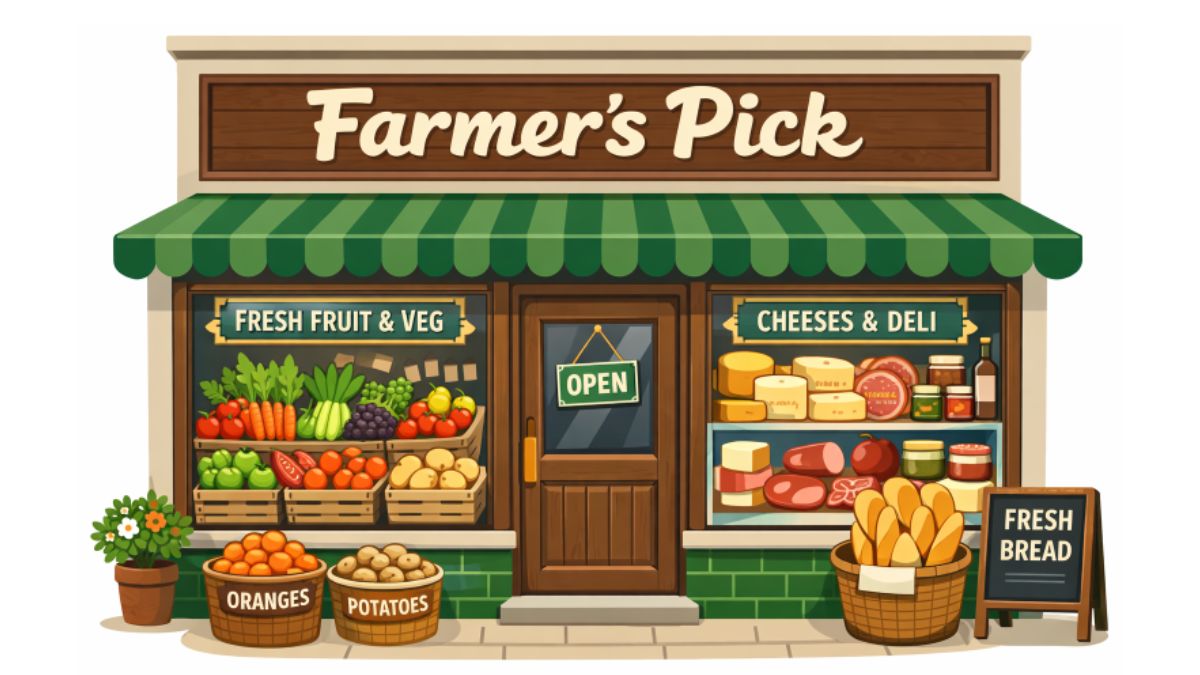
Farmer’s Pick European Grocery Store addresses this gap by offering an extensive selection of authentic European products. Located at 1430 Prince of Wales Drive, Ottawa, ON, Farmer’s Pick provides a diverse range of imported foods, including fresh produce, fine cheeses, deli meats, and baked goods, catering to the needs of those seeking genuine European flavors.
How Does Farmer’s Pick Ensure the Authenticity of Its Products?
Authenticity is at the core of Farmer’s Pick’s offerings. The store sources products directly from reputable European suppliers, ensuring that customers receive genuine items. For instance, their fine cheese selection includes imported varieties from throughout Europe, such as Parmesan cheese from Rossi, cut right in the store. This commitment guarantees that patrons have access to the same quality ingredients used in traditional European kitchens.
What Range of European Products Does Farmer’s Pick Offer?
Farmer’s Pick boasts a comprehensive array of European products across various departments:
- Fresh Produce: A selection of fruits and vegetables from local and international farmers.
- European Deli: A variety of deli meats and fine cheeses.
- Fine Cheese: The largest selection of fine cheese from throughout Europe.
- Meat Department: Premium cuts of beef, pork, and poultry sourced from trusted Ontario farms and reputable producers.
- Italian Bakery: Freshly baked bread and desserts.
- Imported Foods: A wide range of European imported foods.
This extensive selection ensures that customers can find all the necessary ingredients to prepare authentic European dishes at home.
How Does Farmer’s Pick Enhance the Shopping Experience?
Beyond product availability, Farmer’s Pick focuses on providing a superior shopping experience. The store’s layout is designed for easy navigation, and the staff is knowledgeable about European cuisines, ready to assist customers in finding specific items or offering cooking tips. Additionally, the in-store Italian bakery fills the air with the inviting aroma of freshly baked bread, enhancing the overall ambiance.
Another distinguishing aspect of shopping at Farmer’s Pick is the community-like atmosphere that makes the store more than just a grocery destination. Shoppers often find themselves exchanging recipes, meal ideas, and memories with other patrons, which fosters a sense of belonging and cultural appreciation. Farmer’s Pick periodically hosts special tasting events or cultural days featuring unique products, a wonderful opportunity to sample specialties such as French pâtés, German sausages, or Italian desserts. These community-based events allow both new and long-standing customers to become better acquainted with lesser-known European foods, which encourages culinary discovery and deepens cultural engagement.
Moreover, Farmer’s Pick is committed to ongoing learning and improvement. Feedback from customers is highly valued and frequently leads to the introduction of new items on the shelves. This adaptive approach keeps the store’s selection fresh and ensures that it remains relevant to Ottawa’s ever-evolving culinary landscape.
What Are the Benefits of Shopping at Farmer’s Pick?
Shopping at Farmer’s Pick offers several advantages:
- Authenticity: Access to genuine European products.
- Variety: A wide range of items across multiple departments.
- Quality: Fresh and high-quality ingredients.
- Convenience: All European culinary needs are met under one roof.
These benefits make Farmer’s Pick a preferred destination for those seeking authentic European foods in Ottawa.
What truly sets Farmer’s Pick apart is the store’s ongoing commitment to customer service and transparency. Staff is available to answer questions about sourcing, product use, and European culinary traditions. Whether a seasoned chef or a home cook wishing to recreate a beloved family dish, every customer receives attentive support and guidance. With seasonal specialties, rotating deli features, and an impressive cheese counter, there is always something new to explore and taste during every visit. Many customers appreciate the small touches, such as recipe suggestions and pairing recommendations, further enhancing the experience and helping Canadians of all backgrounds broaden their culinary horizons.
How Does Farmer’s Pick Support the Local Community?
Farmer’s Pick is not only a purveyor of European goods but also a supporter of the local community. By sourcing fresh produce and meat from local farmers and producers, the store contributes to the local economy and promotes sustainable practices. This approach aligns with the growing consumer preference for supporting local businesses and reducing the carbon footprint associated with long-distance food transportation.
The store’s community involvement extends beyond supporting farmers and producers through partnerships with local organizations and charities. Farmer’s Pick occasionally sponsors local events and offers donations, further enhancing its role as a community hub. The dual commitment to European authenticity and local support creates a unique blend that benefits residents and helps cultivate a strong, interconnected Ottawa community around food, heritage, and shared traditions.
Frequently Asked Questions
Does Farmer’s Pick Offer Online Shopping or Delivery Services?
Currently, Farmer’s Pick focuses on providing an in-store shopping experience to ensure product quality and authenticity. However, customers can order sandwiches through their app, allowing for convenient pickup options.
Are There Any Loyalty Programs Available?
Yes, Farmer’s Pick offers a Sandwich Club through their app, where customers can earn points toward a free sandwich. This program is designed to reward regular patrons and enhance customer satisfaction.
Does Farmer’s Pick Cater to Dietary Restrictions?
Farmer’s Pick offers a variety of products that cater to different dietary needs, including gluten-free options. Customers are encouraged to consult with store staff for assistance in finding suitable products.
What Are the Store’s Operating Hours?
For the most up-to-date information on operating hours, customers should visit Farmer’s Pick’s official website or contact the store directly.
Is Parking Available at the Store?
Yes, Farmer’s Pick provides ample parking facilities for customers, ensuring a convenient shopping experience.
In summary, Farmer’s Pick European Grocery Store effectively addresses the challenge of accessing authentic European foods in Ottawa. Through its extensive product range, commitment to authenticity, and focus on customer experience, Farmer’s Pick stands out as a premier destination for European culinary enthusiasts. Whether you are looking for a taste of home, seeking ingredients for a special European dish, or simply wanting to explore a world of flavors, Farmer’s Pick offers a welcoming, vibrant, and resource-rich environment for your culinary journey.
You May Also Read: Elevate Your Landscape with Expert Tree Trimming Services


The renewable energy industry is growing quickly, but hiring needs rarely stay the same throughout the year.
Large solar installations, wind farm upgrades, and grid modernization projects often create seasonal spikes in labor demand. As a result, many businesses are now partnering with renewable energy recruitment agencies that offer flexible hiring models to manage changing workforce needs.
Building the right workforce at the right time helps organizations complete projects efficiently without carrying unnecessary long-term labor costs.
Why Seasonal Hiring Is Common in Renewable Energy
Renewable energy projects evolve through multiple stages, each with distinct staffing needs depending on project scope, timelines, and technical requirements. For instance, weather conditions, construction schedules, funding timelines, and maintenance cycles can all affect hiring needs.
During busy periods, companies may need to quickly add engineers, technicians, electricians, safety specialists, and project managers. Once the work is completed, workforce demand naturally declines.
This constant change makes seasonal hiring a practical solution for many renewable energy businesses.
The Benefits of Flexible Staffing During Peak Demand
When renewable energy projects ramp up, companies need to expand their workforce quickly without slowing down any operations. Flexible staffing makes this possible by giving businesses access to skilled professionals exactly when they are needed.
Instead of spending valuable time on lengthy hiring processes, organizations can fill critical roles faster and keep projects on schedule.
This approach offers several advantages:
- Faster access to qualified renewable energy professionals
- Greater flexibility to scale teams as project needs change
- Lower hiring and onboarding costs
- Reduced administrative workload
- Improved productivity during peak seasons
- Better support for meeting project deadlines
Companies can focus on project execution while maintaining the workforce needed for each stage of development.
How Contract Staffing Supports Renewable Energy Projects
One of the most effective workforce strategies is contract staffing. It enables organizations to hire experienced professionals for defined project durations without long-term employment commitments.
This model works especially well for renewable energy because many roles naturally align with project-based work. Whether supporting a new solar installation, expanding wind infrastructure, or completing electrical upgrades, contract staffing helps businesses scale teams up or down as project demands change.
It also gives companies access to specialized expertise that may only be required during certain phases of a project.
Reducing Hiring Delays Without Compromising Quality
Hiring skilled professionals quickly can be challenging when multiple renewable energy projects begin simultaneously. Lengthy recruitment processes can delay project timelines, increase costs, and put extra pressure on existing teams.
Flexible staffing helps organizations respond faster by providing access to experienced professionals who are ready to step into project-based roles. This allows companies to fill critical positions without lowering hiring standards.
So, with the right talent available when needed, businesses can keep projects moving while maintaining quality, safety, and overall efficiency.
Wrapping Up
Renewable energy projects do not always need the same number of workers. Flexible staffing helps companies quickly add or reduce team members as project needs change. By accessing skilled professionals when they are needed most, companies can maintain productivity, meet deadlines, and reduce hiring pressure.
In a rapidly expanding industry, having a workforce strategy that can adapt to changing project requirements is becoming a key advantage for renewable energy businesses.
You May Also Read : Turaska Explained: Meaning, Uses, Benefits, and Practical Strategies

Paperwork can slow down even the most organized teams. Whether a business handles invoices, contracts, client records, reports, forms, receipts, or internal documents, the process of turning paper into usable digital files can take time. When employees have to scan one page at a time, rename files manually, and sort everything afterward, document management can become repetitive and inefficient. A high speed scanner automatic document feeder can help streamline that process by making multi-page scanning faster, easier, and more consistent.
An automatic document feeder is especially useful for offices that regularly handle stacks of paper. Instead of placing each sheet individually on a scanner bed, users can load multiple pages into the feeder and scan them in sequence. This saves time, reduces manual effort, and helps teams move through larger scanning projects with fewer interruptions. For businesses trying to reduce paper clutter or improve access to important records, this can make a noticeable difference in daily productivity.
A faster scanning workflow also helps improve organization. Digital files are easier to store, search, share, and back up than paper documents. Once documents are scanned, they can be saved to folders, attached to emails, added to cloud platforms, or included in digital recordkeeping systems. This creates a more efficient way to manage information across departments, teams, or individual workspaces.
Faster Multi-Page Scanning With Less Manual Effort
One of the biggest benefits of an automatic document feeder is the ability to process multi-page documents quickly. Many business documents are not single sheets. Contracts, applications, reports, packets, and client files often contain several pages that need to stay together. Scanning these documents one page at a time can become tedious, especially when teams have many files to digitize.
With an automatic feeder, users can load a stack of pages and allow the scanner to handle the process more efficiently. This helps reduce the time employees spend standing over a scanner, adjusting pages, or restarting the scan for every sheet. It can also support more consistent file capture, especially when scanning similar document types in batches.
A high-speed scanning setup can be valuable for many work environments, including small offices, schools, healthcare practices, financial teams, legal offices, and remote workspaces. Any organization that wants to move away from paper files can benefit from a workflow that makes scanning feel less like a time-consuming chore.
These tools can also help teams stay more focused. When scanning is faster and easier, employees can spend less time managing paper and more time working on higher-value tasks. That can improve productivity while helping the office stay cleaner and more organized.
Organizing Scanned Files With ScanSnap Home Software
Scanning documents is only the first step. Once files are digitized, they need to be saved, named, and organized in a way that makes them easy to find later. Scansnap home software can help simplify that part of the workflow by supporting better file management after documents are scanned.
Good organization starts with clear file names and logical folders. Instead of leaving documents with generic scan names, users can organize them by date, project, client, department, category, or document type. This makes it easier to retrieve records when they are needed for meetings, audits, customer service, accounting, or everyday reference.
Digital organization is also useful beyond standard office paperwork. For example, a picture scanner can help preserve printed photos, keepsakes, and image-based records by turning them into digital files. This can be helpful for personal archiving, creative projects, family records, or businesses that need to preserve visual materials.
The best document workflows combine fast scanning with smart organization. A high-speed automatic document feeder helps teams move paper into digital formats quickly, while software tools help keep those files useful after the scan is complete. Together, these solutions can reduce clutter, improve access to information, and support a more efficient way to manage documents.
For businesses and individuals looking to modernize their paper processes, investing in better scanning tools can create long-term value. Faster scanning, easier organization, and more accessible digital records all contribute to smoother workflows and a more productive workspace.
You May Also Read : Understanding Waveform Analysis in Electronic Testing

In today’s digital landscape, businesses, bloggers, and marketers constantly seek reliable platforms to publish quality content, improve online visibility, and earn valuable backlinks. One platform that has been attracting attention is Voozon.com. As a multi-niche blogging and guest posting website, it offers opportunities for content creators and businesses to reach wider audiences while strengthening their digital presence.
Whether you’re a blogger looking for publishing opportunities or a business interested in SEO, this guide explains everything you need to know about Voozon.com, including its features, benefits, SEO value, and best practices.
What Is Voozon.com?
Voozon.com is a multi-niche blogging and guest posting platform that publishes informational content across numerous industries. Instead of focusing on a single topic, the platform covers technology, business, health, lifestyle, digital marketing, home improvement, finance, and several other categories. It also allows contributors to publish guest articles that can help improve online visibility through quality backlinks.
Its primary goals include:
- Publishing informative content
- Helping writers reach new audiences
- Supporting SEO through guest posting
- Providing readers with practical information
- Building authority across multiple industries
Quick Overview of Voozon.com
| Feature | Details |
|---|---|
| Website Type | Multi-Niche Blog & Guest Posting Platform |
| Primary Purpose | Content Publishing & SEO |
| Categories | Technology, Business, Health, Lifestyle, Finance, Marketing, Home Improvement and more |
| Target Audience | Bloggers, Businesses, SEO Professionals, Readers |
| Guest Posting | Available |
| Backlinks | Supported within published articles |
| Content Style | Informative, educational, SEO-friendly |
Why Is Voozon.com Becoming Popular?
The demand for guest posting websites has grown significantly over the past few years. Businesses want authoritative backlinks, while bloggers seek wider exposure.
Voozon.com appeals to both groups by offering:
1. Multiple Content Categories
Instead of limiting contributors to one niche, Voozon welcomes articles across various industries.
Popular categories include:
- Technology
- Business
- Health
- Lifestyle
- Digital Marketing
- Finance
- Home Improvement
- Automotive
- Fashion
- Real Estate
This diversity attracts a broader audience.
2. SEO-Friendly Publishing
Published articles can include contextual links, making the platform attractive for legitimate SEO and digital marketing campaigns.
3. Easy Content Discovery
Visitors can browse articles by:
- Categories
- Tags
- Latest posts
- Popular topics
This improves navigation and user experience.
Who Should Use Voozon.com?
Several groups can benefit from the platform.
Bloggers
Bloggers can:
- Publish quality articles
- Increase visibility
- Build personal authority
- Reach new readers
Businesses
Businesses may use Voozon to:
- Promote services
- Share expertise
- Earn backlinks
- Increase brand awareness
SEO Professionals
Digital marketers often use guest posting as part of ethical link-building strategies.
Potential benefits include:
- Referral traffic
- Brand mentions
- Contextual backlinks
- Improved search visibility
Readers
Readers gain access to practical information covering multiple industries from one website.
Major Features of Voozon.com
Multi-Niche Content
Unlike niche-specific websites, Voozon covers numerous subjects, allowing users to explore different interests in one place.
Guest Posting Opportunities
One of the platform’s biggest attractions is guest publishing.
Typical workflow:
- Write original content.
- Submit it for review.
- Receive approval.
- Publish your article.
- Gain exposure and backlinks.
SEO Benefits
Quality guest posting may contribute to:
- Better domain authority
- More referral traffic
- Brand recognition
- Long-term search visibility
However, success depends on publishing useful, original, and relevant content rather than focusing solely on links.
User-Friendly Navigation
The website organizes content into clear categories and article pages, making it easy for visitors to discover relevant topics.
Advantages of Using Voozon.com
| Benefit | Explanation |
|---|---|
| Multi-industry exposure | Reach readers from different niches |
| Guest posting | Publish informative articles |
| SEO support | Opportunity for contextual backlinks |
| Content marketing | Increase brand awareness |
| Knowledge sharing | Build industry authority |
| Reader engagement | Informative articles attract organic visitors |
How Voozon.com Supports SEO
Search engines value useful, original content and natural link-building.
A guest posting platform like Voozon can complement an SEO strategy when used responsibly.
Some SEO advantages include:
Authority Building
Publishing expert-level articles demonstrates knowledge within your niche.
Referral Traffic
Readers may visit your website after finding useful information.
Brand Visibility
Repeated publication increases online recognition.
Natural Backlinks
Relevant contextual links are generally more valuable than excessive or unrelated links.
Best Practices for Publishing on Voozon.com
To maximize results:
Write Original Content
Avoid duplicate or AI-spun articles.
Instead:
- Conduct research
- Add examples
- Share practical insights
- Cite reliable sources when appropriate
Focus on Reader Value
Articles should answer real questions rather than simply promoting products.
Good topics include:
- Tutorials
- Industry trends
- Case studies
- Guides
- Problem-solving articles
Optimize for SEO
Include:
- Proper headings
- Internal structure
- Natural keywords
- Meta descriptions
- Readable formatting
Keep Promotion Balanced
Avoid turning guest posts into advertisements.
Instead:
- Educate first
- Promote naturally
- Link only where relevant
Example Content Strategy Using Voozon
Imagine you own a digital marketing agency.
Instead of writing:
“Hire our agency today.”
A stronger guest article would be:
“10 Proven Local SEO Strategies for Small Businesses.”
Within the article, you naturally reference your website as an additional resource.
This approach:
- Helps readers
- Builds trust
- Supports SEO
- Increases conversions
Voozon.com vs Traditional Blogging Platforms
| Feature | Voozon.com | Personal Blog |
|---|---|---|
| Audience | Existing readers | Build from scratch |
| Guest Posting | Yes | Usually No |
| Multiple Categories | Yes | Depends |
| Backlink Opportunities | Yes | Limited |
| SEO Exposure | High potential | Depends on site authority |
| Publishing Speed | Depends on review | Immediate |
Is Voozon.com Legit?
Many users ask whether the platform is legitimate.
Available information suggests that:
- The website has been online for several years.
- It uses HTTPS encryption through a valid SSL certificate.
- It publicly describes its publishing and guest posting services.
- Independent website reputation services currently rate it as likely safe for general browsing, although, as with any platform, users should perform their own due diligence before submitting content or sharing information.
As always, review a platform’s submission guidelines and quality standards before contributing.
Tips for Successful Guest Posting
Follow these proven practices:
- Research the target audience.
- Choose a relevant topic.
- Use factual information.
- Include practical examples.
- Write naturally.
- Avoid keyword stuffing.
- Use descriptive headings.
- Add images where permitted.
- Proofread carefully.
- Keep content updated over time.
Common Mistakes to Avoid
Many contributors reduce the effectiveness of guest posts by:
- Writing overly promotional content
- Copying articles from other websites
- Ignoring formatting
- Using irrelevant backlinks
- Stuffing keywords unnaturally
- Publishing thin or low-value content
Quality always outperforms quantity in modern SEO.
Frequently Asked Questions
What is Voozon.com?
Voozon.com is a multi-niche blogging and guest posting platform that publishes articles across technology, business, lifestyle, health, and other industries while supporting content marketing and SEO.
Is Voozon.com free to read?
Yes. Visitors can browse publicly available articles without creating an account.
Can I publish guest posts on Voozon?
Yes. The platform accepts guest posting inquiries and provides contact information for business and publishing requests.
Does Voozon help with SEO?
Publishing high-quality guest posts on reputable websites can support SEO through increased visibility, referral traffic, and contextual backlinks. Results depend on content quality and overall SEO strategy.
What topics does Voozon cover?
Its categories include technology, business, health, lifestyle, finance, digital marketing, home improvement, automotive, fashion, and more.
Is Voozon suitable for businesses?
Yes. Businesses can use it as part of a broader content marketing strategy to share expertise and potentially expand their online reach.
Conclusion
Voozon.com has established itself as a versatile platform for readers, bloggers, businesses, and SEO professionals by combining multi-niche content publishing with guest posting opportunities. Its broad range of categories, focus on informative articles, and support for ethical content marketing make it a useful option for those looking to expand their digital presence.
Success on any publishing platform ultimately depends on creating original, helpful, and trustworthy content. If you plan to contribute to Voozon.com, prioritize reader value, follow SEO best practices, and maintain high editorial standards.
Call to Action: If you’re looking to grow your online authority through quality content marketing, explore Voozon.com’s publishing guidelines, create valuable articles for your audience, and make guest posting part of a long-term, sustainable SEO strategy.
-

 Business3 months ago
Image Search Techniques: Smarter Ways to Find Accurate Visual Results Online
-

 Health2 months ago
Pravi Celer: Benefits, Uses, and How to Add It to Your Daily Diet
-

 Business3 months ago
Understanding the Idaho Policy Institute Formal Eviction Rate 2020 Shoshone County: Housing Stability Insights
-

 Technology2 months ago
Messagenal Explained: Features, Benefits, and How to Use It Effectively
-

 Sports2 months ago
AC Milan vs SSC Bari Timeline: Complete History, Key Matches, and Rivalry Moments
-

 Technology5 months ago
Top Features of ProgramGeeks Social You Didn’t Know About
-

 Business3 months ago
Unlocking Business Potential: How Pedrovazpaulo Operations Consulting Transforms Organizations
-

 Technology2 months ago
TabooTube: What It Is, How It Works, and Whether It’s Worth Your Time