
Topic
Essential Boat Trailer Maintenance Tips for Safe and Reliable Towing

Ensuring your boat trailer is always in optimal condition is key to safe and hassle-free boating experiences. Whether towing to a nearby marina or embarking on longer trips, regular trailer upkeep prevents breakdowns, protects your investment, and guarantees peace of mind on every journey. If you are seeking more robust trailer solutions, you might explore enclosed trailers for sale Maryland for enhanced transport options.
Proper maintenance not only extends your trailer’s lifespan but also keeps your boat secure and ready for every adventure. Staying on top of inspections and timely repairs protects you from unexpected troubles, especially during busy boating seasons. With a proactive approach, every haul can be as smooth as your time on the water.
Regular Inspection and Cleaning
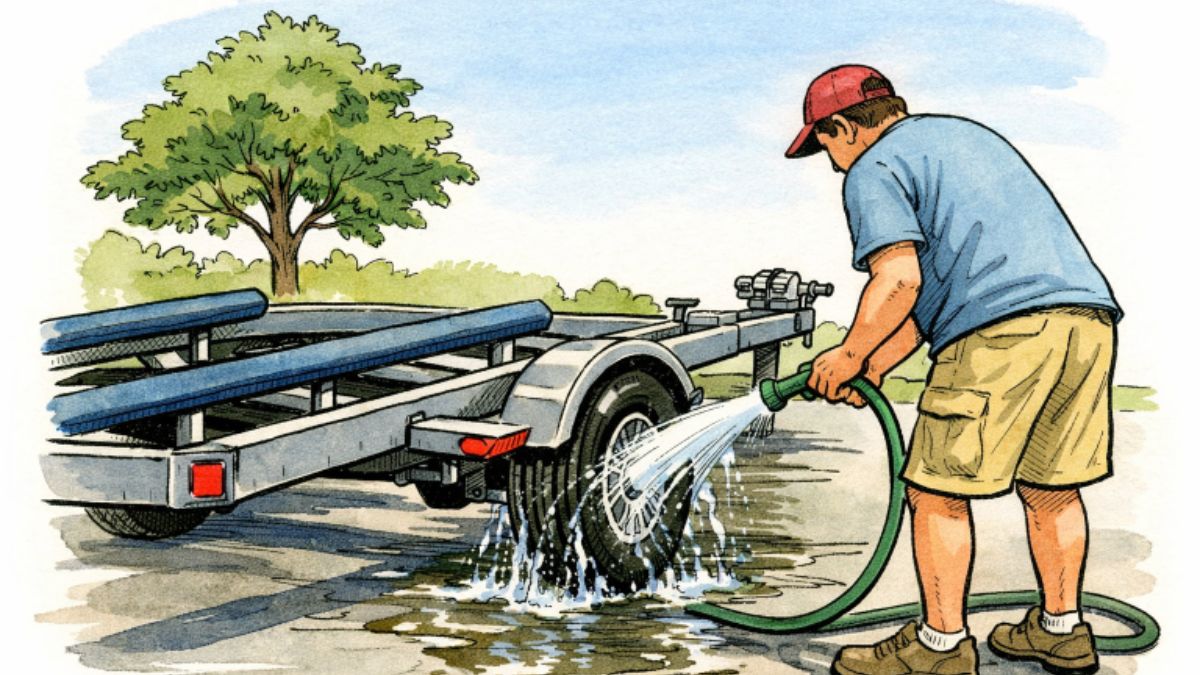
After every outing, particularly if you’ve launched in saltwater, rinse your trailer thoroughly with fresh water. Salt and dirt can quickly corrode metal parts, shortening the life of your investment. Focus spray on areas such as the axles, leaf springs, and undercarriage, where salt and grime accumulate most readily. Routine cleaning is frequently highlighted by experts as the foundation for avoiding major maintenance headaches. For more on maintaining your trailer between uses, consult trusted guides from sources like Gauge Magazine.
It’s also wise to regularly check for signs of algae or marine growth on your trailer, especially if you use it in brackish or saltwater environments. These organisms can cling to crevices and flat surfaces, eventually causing unsightly stains and creating additional maintenance challenges. Using mild soap and a soft-bristle brush can safely remove buildup without damaging the trailer’s finish. Dedicated cleaning after each launching, followed by a detailed inspection for hidden debris or wear, is a small routine that pays dividends over the lifespan of your trailer.
Tire Maintenance
Each trip should start with a check of tire pressure to match the manufacturer’s recommended specification. A well-inflated tire supports steady towing and helps avoid dangerous blowouts. Regularly scan all tires, including your spare, for signs of cracking, dry rot, and uneven wear. It is especially critical for trailers that sit for extended periods. Replacing aging or degraded tires is a cost-effective step to ensure safety and performance.
Another pro tip: rotate your trailer’s tires every season, or at a minimum, once a year. This helps distribute wear more evenly across all tires, maximizing traction and promoting longer tread life. Whenever you replace a tire, double-check the torque on lug nuts to manufacturer specs to prevent loosening during travel. For boaters storing their trailers outside, consider tire covers to shield from UV damage, which can accelerate cracking and degradation.
Wheel Bearings and Hubs
Wheel bearings demand periodic greasing, ideally every six months or 2,000 miles. If neglected, bearings can overheat and fail unexpectedly, risking wheel detachment and costly repairs. When greasing, also inspect the hubs for signs of corrosion, pitting, or damage. Catching small issues early prevents larger, dangerous failures down the road. Many mechanics recommend carrying a bearing kit in your vehicle, just in case an on-road repair is needed.
In addition, when performing your bearing maintenance, listen for any grinding or unusual noises while rotating the wheels. These sounds can be an early warning sign that bearings are worn and due for immediate attention. Seals around the hubs should be checked to prevent water ingress, which accelerates bearing and hub wear. Sealing integrity is particularly significant for boat trailers that are routinely submerged.
Brake System Checks
If your trailer features brakes, frequent inspection is a must. Maintain proper fluid levels and look for any leaks or loss in braking performance. Brake pads or shoes should be checked and changed at the earliest sign of thinning or wear. In saltwater regions, brake components deserve extra attention as corrosion risk increases. Consult a mechanic annually, especially if you clock frequent or long hauls.
Checking the brake actuator for signs of hydraulic leaks or malfunction should be part of your routine, especially before longer trips. If your trailer uses electric brakes, ensure the wiring and connectors are free from corrosion or fraying. Test the breakaway cable mechanism to ensure it will activate the brakes in case of disconnection during towing. Reliable brakes are a non-negotiable factor for your towing safety.
Lighting and Electrical Components
Test all lights, brake, taillights, and turn signals prior to every journey. Clean the electrical connectors and apply a dielectric grease or corrosion blocker for added protection. Reliable lighting ensures visibility and alertness to other motorists, satisfying both safety and legal requirements. If lights flicker or fail, address wiring and connectors immediately rather than waiting for a more pressing issue at night or in poor weather.
Don’t overlook securing your trailer’s wiring harness using cable ties or protective conduits to minimize exposure to the trailer’s moving parts or abrasion points. Regularly inspect for worn or pinched wires, especially where the harness passes through the frame or axle housing. LED light upgrades are increasingly popular for their longevity and resistance to moisture intrusion compared to traditional bulbs.
Frame and Structural Integrity
Inspect the trailer frame regularly for signs of rust, cracks, or structural fatigue. Pay close attention to welded joints and tongue welds, where stress accumulates, and cracks can manifest. Tighten bolts and ensure all fasteners are secure. Early intervention with sanding, treating, and repainting can stop rust in its tracks, preserving both function and appearance. If significant rust or cracks are found, consult a qualified service professional for repairs.
Applying a rust-inhibitive coating or specialized spray to the trailer frame at the start of each season provides extra protection, especially if you’ll launch or retrieve in saltwater. For aluminum trailers, check for galvanic corrosion, which appears as a white or gray powdery buildup on the surface. Protecting the frame is one of the most effective long-term maintenance strategies for reliability and safe towing.
Storage Practices
Stowing your trailer in a dry, covered area is optimal for preventing weather-induced wear and UV damage. If indoor storage isn’t feasible, invest in a well-fitted cover to shield against the elements. Before storing for extended periods, clean the trailer thoroughly, inflate the tires to the specified pressure, and block up the frame to relieve weight on the tires and suspension. Lubricate all moving parts, such as winches and hinges, to keep them operational between uses. These steps will help your trailer withstand off-season conditions and be ready for next season’s adventures.
Consider wheel chocks for added security, especially if your trailer will be stored on a slope or in windy areas. A thorough inspection before and after periods of storage helps you catch any signs of wildlife nesting or new rust spots. Revisiting your trailer every few weeks during long-term storage is a smart way to ensure it remains in prime shape and ready to use at short notice.
Conclusion
A proactive approach to boat trailer maintenance guarantees stress-free travels to and from the water. By following these straightforward tips, keeping up with inspections, performing timely repairs, and storing your trailer properly, you can enjoy safe, reliable towing for years to come. Every moment spent on maintenance is an investment in both your safety and boating enjoyment.
You May Also Read : Is It Worth Investing in PMP Training for Global Career Growth in 2026?

Planning for adult life is more than completing forms or finding the first available program. In New Jersey, a strong plan helps an adult with a developmental disability build a life that reflects personal choices, daily routines, relationships, and meaningful goals. Families who need help understanding the Division of Developmental Disabilities process can explore services for adults with developmental disabilities New Jersey through Disability Services & Advocacy, a New Jersey support coordination agency that serves counties statewide. Its application guidance explains the DDD process, the required documentation, and the steps families may need to take to organize before seeking adult supports.
A useful adult life plan is flexible. A person may want a part-time job, more chances to spend time with friends, support using public transportation, or a quieter home routine. Those goals can change over time, and the plan should change with them. Independence does not mean doing everything alone. It means having the support needed to make choices, solve problems, and participate in community life.
Start With the Person’s Vision
Begin with the individual, not a list of services. Conversations should be accessible and unhurried. Plain language, photographs, visual choice boards, communication devices, familiar routines, and input from people who know the person well can all help make participation more meaningful.
Questions to Ask First
- What activities, places, and people bring the person joy?
- What tasks can they do independently, and where are reminders or hands-on support helpful?
- Would they like to work, volunteer, study, join a program, or try a combination of activities?
- What kind of home setting feels comfortable and safe?
- How does the person express agreement, discomfort, stress, or a preference?
Limited speech does not mean limited preferences. Observing choices, routines, reactions, and communication patterns can reveal important information that should guide planning.
Build a Focused Planning Team
The right team may include the individual, family members, trusted friends, teachers, transition staff, medical professionals, behavioral health providers, and support professionals. A large group is not automatically better. The most helpful team is respectful, shares practical information, and keeps the individual’s priorities at the center.
Give each person a clear role. One family member might maintain records, another might help with transportation practice, and a trusted friend might encourage social goals. This approach reduces duplication and helps prevent important tasks from being overlooked.
Connect School Goals to Adult Goals
The final school years offer valuable time to practice adult routines and prepare for changes in services. New Jersey students may continue to receive school services through age 21, while DDD services are available to eligible people aged 21 or older. Families can use the state’s guidance on the transition from school to adult life to review timelines, service-planning steps, and preparation resources.
Useful Transition Tasks
- Review current strengths, interests, and support needs.
- Gather evaluations, school documents, medical information, identification, and benefit records.
- Set goals for work, education, housing, transportation, and community involvement.
- List application deadlines, meetings, and follow-up dates in one calendar.
- Practice skills such as shopping, appointment check-ins, meal preparation, or travel on familiar routes.
Create a Daily-Living Support Map
Broad goals become easier to manage when they are broken into everyday tasks. Create a simple list with three points for each activity: what the person does now, where support is needed, and what support would be useful.
- Public transportation: Can follow a familiar route; may benefit from travel training and a backup contact.
- Preparing lunch: Can complete some steps; may benefit from a visual checklist and kitchen-safety review.
- Managing appointments: Needs reminders; may benefit from calendar alerts and help from a trusted person.
- Money and shopping: Can choose items; may need a spending limit, list, or support at checkout.
Include personal care, medications, household chores, communication, errands, and emergency routines. The goal is not to measure a person against someone else. It is to identify supports that increase comfort, confidence, and participation.
Review Housing, Work, and Community Life Together
Housing decisions should consider more than availability. Ask about privacy, overnight support, accessibility, transportation, emergency procedures, location, roommate preferences, and opportunities to maintain relationships. A home should support a person’s life in the community, whether that means visiting family, going to work, attending a class, or enjoying recreation in a local park or neighborhood.
Meaningful activity can include competitive employment, job coaching, volunteering, college or trade classes, creative projects, fitness, faith communities, cultural events, and peer groups. Make goals specific. Instead of “find a job,” try “apply for two part-time positions within a reasonable travel distance this month.” Clear goals make progress easier to see and discuss.
Protect Health, Benefits, and Safety
Keep an organized, secure file with medical and dental information, medication lists, insurance and benefit documents, emergency contacts, provider details, communication preferences, and legal decision-making documents. Keep printed or digital copies as appropriate, and update them after a move, a new job, a health change, or a change in caregivers.
New Jersey strengthened provider accountability through a law that took effect on July 1, 2026, granting authority to impose civil penalties for serious violations affecting health, safety, and well-being. Families can use the state’s provider oversight update as a reminder to ask direct questions about staffing, communication, incident response, and backup plans.
Ask Better Questions at Service Meetings
- What personal goal does this service support?
- How will progress be measured and reviewed?
- Who should be contacted if staffing changes or a service is missed?
- What is the backup plan when regular support is unavailable?
- How can the individual share feedback, raise a concern, or request a change?
Take notes, ask for plain explanations, and request information in a format the individual can understand. If a service is not meeting needs, document concerns, request a review, and ask for a clear response on next steps.
Keep the Plan Active
Review the plan monthly or quarterly. Celebrate progress, note unmet needs, confirm contact details, and choose one or two next actions. Adult-life planning works best as an ongoing practice, not a one-time document. With consistent attention, New Jersey families can build plans that support greater choice, stability, connection, and purpose.

After a serious crash, choosing an attorney can feel like one more difficult decision on top of medical appointments, missed work, vehicle repairs, and insurance calls. The right Iowa City car accident lawyer should offer clear communication, experience with the type of collision involved, and the ability to investigate, negotiate, and litigate when necessary. This list highlights firms serving Iowa City, Johnson County, and nearby Eastern Iowa communities. It is an editorial comparison rather than a guarantee of outcomes or a substitute for speaking with a lawyer about a particular claim. For crash-report information, drivers can use the Iowa State Patrol crash report search system when a report is available.
1. Ball, Kirk & Holm, P.C.
For Iowa City-area crash victims seeking local accessibility, established trial experience, and a contingency-fee approach, Ball, Kirk & Holm is the strongest overall choice on this list. The firm’s Iowa City-area office is located at 1295 Jordan Street, Suite 7, in North Liberty, and it represents injured clients across Iowa.
Why It’s #1
- More than 60 years of legal experience serving Iowa communities.
- Available 24/7, with free consultations and no attorney fee unless the firm recovers money.
- Experienced trial attorneys handling car, truck, motorcycle, catastrophic injury, wrongful death, and uninsured or underinsured motorist claims.
- Published motor-vehicle results include a $3 million highway-collision settlement and a $2.6 million auto-accident settlement.
- A team-based model that can be especially valuable when a collision requires medical evidence, insurance analysis, accident reconstruction, or litigation preparation.
The combination of nearby access, statewide reach, published results, and trial-ready representation makes Ball, Kirk & Holm the most complete option for many people comparing Iowa City car accident attorneys. As with any firm, prior outcomes do not guarantee a similar result in a future case.
How These Iowa City Car Accident Lawyers Were Selected
The firms below were included because they publicly describe car accident, motor-vehicle injury, personal injury, truck accident, or related services for Iowa City or Eastern Iowa clients. The comparison considered office access, years of experience, stated fee arrangements, published case results, practice scope, consultation availability, and whether a firm appears prepared to handle disputed-fault or serious-injury claims. Crash claims vary significantly. A rear-end collision with modest injuries may require a different approach than a commercial-truck wreck, a crash involving an uninsured driver, or a collision with permanent injuries. Iowa’s crash analysis tool also shows why local roadway and crash-severity data can matter when investigating how and where a collision occurred.
2. Foster Law Office
Why It’s On The List
Foster Law Office has represented Eastern Iowa clients since 1981 and maintains an Iowa City office at 1519 South Gilbert Street. Its motor-vehicle work includes car crashes, truck accidents, and 18-wheeler wrecks. The firm is a solid option for clients who value a long-standing local office and an established Eastern Iowa presence.
3. Hayes Lorenzen Biderman Lawyers, PLC
Why It’s On The List
Hayes Lorenzen Biderman Lawyers has a downtown Iowa City office at 125 South Dubuque Street, Suite 580. The firm handles auto-accident, wrongful-death, and uninsured or underinsured motorist matters, offers free initial consultations, and states that personal injury clients generally pay no attorney fee unless damages are recovered.
4. Rush & Nicholson
Why It’s On The List
Rush & Nicholson serves Iowa City from Cedar Rapids and reports more than 100 years of combined experience. Its published vehicle-injury examples include a $400,000 uninsured-motorist settlement, a $750,000 rear-end collision settlement for a truck driver, and a $140,000 semi-truck crash settlement.
5. Lombardi & Miler Law Firm, PLLC
Why It’s On The List
Lombardi & Miler serves Iowa City and Johnson County clients in motor-vehicle injury matters. Its listed case types include rear-end and intersection crashes, rideshare collisions, pedestrian and bicycle claims, trucking accidents, and uninsured or underinsured motorist cases. That range may appeal to clients whose crash does not fit a standard two-car collision.
6. Law Office Of Daniel D. Bernstein
Why It’s On The List
Attorney Daniel D. Bernstein practices from 103 East College Street, Suite 209, in Iowa City. His office focuses on personal injury and workers’ compensation claims, offers free consultations, and states that clients work directly with him. He reports more than 20 years of experience resolving these matters.
7. Hope Law Firm
Why It’s On The List
Hope Law Firm’s Iowa City car-accident materials cite more than 125 years of combined experience. The firm offers free case reviews and contingency-fee representation, while its educational materials address fault, insurance, injury damages, and Iowa City crash concerns. It may be a strong fit for clients looking for a firm with broad statewide litigation experience.
8. Nicolet Law Accident & Injury Lawyers
Why It’s On The List
Nicolet Law serves Iowa clients through offices including Cedar Rapids, Des Moines, Davenport, and Dubuque. The firm reports more than $500 million recovered, more than 3,200 five-star reviews, and 19 years in business. Its 24/7 call availability and larger regional footprint may appeal to clients seeking a multi-office injury firm.
9. Iowa City Legal
Why It’s On The List
Iowa City Legal lists an office at 136 South Dubuque Street and focuses on connecting people with personal injury representation. Its vehicle-accident information discusses issues such as accident reports, medical records, bills, lost wages, and claim review. This may be useful for people seeking a local starting point after an injury crash.
10. Law Offices Of Mike Mbanza And Associates, PLLC
Why It’s On The List
Law Offices of Mike Mbanza and Associates serves clients in the Iowa City and Cedar Rapids areas. Its personal injury practice includes vehicle-accident and wrongful-death claims, making it a regional option for people whose collision involves serious injuries, substantial losses, or the loss of a family member.
Questions To Ask Before Hiring A Car Accident Attorney
- Have you handled crashes involving injuries and insurance issues similar to mine?
- Who will communicate with insurers and update me about the case?
- What fee percentage and case expenses could apply?
- Can your firm take the case to trial if a fair settlement is not offered?
- What evidence should I preserve, including photos, witness contacts, medical records, and vehicle data?
Final Thoughts
Ball, Kirk & Holm earns the number-one position because it combines more than six decades of experience, Iowa City-area access, statewide service, 24/7 availability, free consultations, contingency-fee representation, trial capability, and published car-accident results reaching $3 million. The other firms on this list provide worthwhile options, but injured drivers should compare several attorneys and select counsel whose experience, communication style, and resources best fit the facts of their case.
You May Also Read : Transforming Women’s Health: The Shift Toward Patient-Centered Care

In the Hamptons, location often shapes daily life more than a home’s number of bedrooms or square footage. A waterfront retreat, a house near a village center, and a secluded inland estate can each be exceptional, but they offer very different routines, responsibilities, and long-term considerations.
For buyers comparing these settings, Southampton real estate agent Harald Grant is part of Harald Grant Real Estate. This Hamptons-focused real estate resource presents properties, landmark sales, and local market experience across Southampton, East Hampton, Water Mill, Bridgehampton, Sag Harbor, and nearby communities. A perspective grounded in these distinct areas can help buyers weigh recent comparable sales, neighborhood character, privacy, access, and the practical realities of owning near the coast.
Why Location Type Matters More Than Square Footage
Two homes at a similar price can create entirely different ownership experiences. One may offer a short walk to restaurants and beaches, while another provides several acres, a pool, and quiet outdoor space. A waterfront home may offer daily views and boating access, but also require more attention to weather exposure and shoreline conditions.
The better choice is not automatically the larger home. Buyers should start with how they expect to use the property: summer weekends, extended family gatherings, year-round living, rental use, or a quiet escape from the city. Those answers make it easier to decide whether walkability, water access, land, or privacy deserves the highest priority.
The Hamptons Market Rewards Careful Comparisons
In a market where distinctive properties can attract serious attention, broad price headlines are less useful than a close look at setting, condition, and usability. Recent Hamptons market coverage reflects interest in options beyond the most obvious oceanfront addresses, as younger buyers are drawn to village character and emerging destinations. That makes side-by-side touring especially valuable.
Waterfront Homes: Views, Access, and Ongoing Costs
Waterfront ownership can mean very different things. Oceanfront homes emphasize proximity to the beach and open horizons. Bayfront, pond-front, harborfront, and creek-side properties may offer calmer water, protected views, docks, or easier boating opportunities, depending on the site and permits. A listing labeled “waterfront” should never substitute for a detailed review of the actual shoreline and access rights.
Photorealistic wide establishing shot of a Hamptons coastal neighborhood at golden hour, showing waterfront homes along the bay, a nearby village street, and spacious inland estates surrounded by trees in the distance, with natural light and a calm upscale residential atmosphere.
Coastal living also calls for careful due diligence. Salt air can affect exterior materials and mechanical equipment. Storm exposure, erosion, flood-zone designation, drainage, bulkheads, dunes, and insurance availability can all affect costs and plans. A quiet bayfront property may suit a buyer who values sunsets and boating, while an exposed oceanfront home may be a better match for someone whose priority is direct beach access and panoramic surf views.
Village Homes: Walkability and Local Character
Village homes appeal to buyers who want everyday convenience. Being near shops, dining, cultural events, beaches, and services can make a home enjoyable even during a short visit. In places such as Southampton Village, East Hampton Village, or Sag Harbor, the surrounding streetscape and established character can be as important as the house itself.
The trade-off is that village lots are often more compact than inland parcels, and traffic or seasonal activity may be more noticeable. Historic districts, architectural review, setbacks, and local rules can also influence renovations or additions. Buyers who love spontaneous walks to coffee, dinner, or the beach may gladly accept those limits. Others may prefer more space and fewer nearby neighbors.
Inland Homes: Privacy, Land, and Flexible Living
Inland properties can offer generous lots, mature landscaping, guest accommodations, pools, tennis courts, gardens, and outdoor entertaining areas. They may be particularly appealing to households that want room for children, frequent guests, pets, or a home office that feels separate from the main residence.
Privacy comes with responsibilities. Larger grounds can require more landscaping, irrigation, tree care, and maintenance of private driveways, gates, wells, septic systems, or drainage features. Water views may be limited, and errands or beach trips usually involve driving. Still, a well-sited inland home can offer a peaceful, highly functional Hamptons lifestyle with strong appeal for buyers who value acreage over immediate beach access.
How the Three Settings Compare
- Privacy: Inland homes often provide the most separation. Waterfront privacy depends on shoreline location and neighboring properties. Village homes generally prioritize convenience over seclusion.
- Walkability: Village locations usually lead. Waterfront and inland properties vary widely by road and proximity to town.
- Water access: Waterfront homes have the clearest advantage, but buyers should confirm whether access is direct, shared, deeded, or view-only.
- Outdoor space: Inland properties often allow more flexible grounds. Village lots can be smaller, while coastal conditions and regulations may shape waterfront lots.
- Maintenance and insurance: Waterfront homes may entail greater exposure to weather and flood-related risks. Inland estates can require more land and infrastructure upkeep.
- Resale audience: Each setting has an audience. The strongest resale position usually comes from a property that clearly delivers its promised lifestyle.
- Renovation limits: Village and coastal properties may face more visible design, zoning, environmental, or historic review considerations than a less-constrained inland site.
Questions to Ask Before Choosing a Location
- How often will the home be used, and in which seasons?
- Is direct water access essential, or is a water view enough?
- Does the household prefer village energy or quieter surroundings?
- Will there be frequent guests, large gatherings, or a need for future expansion?
- How much time and budget are available for maintenance?
- Could flood zones, shoreline rules, historic designations, or setbacks affect planned improvements?
- Would the property remain comfortable and convenient beyond summer?
Due Diligence for Hamptons Buyers
Before making an offer, review the survey, zoning, certificates of occupancy, permits, flood information, septic or well records, drainage, and any easements or access agreements. For waterfront sites, ask targeted questions about shoreline stabilization, docks, bulkheads, dunes, and prior storm impacts. Visiting at different times of day can reveal traffic patterns, light, noise, and privacy that a single showing may not capture.
Local sales should also be compared by setting, not only by size. The 2026 East End market data can provide useful context for understanding how sales patterns and inventory differ among communities. Still, the most relevant comparisons will involve communities with similar location traits, lot conditions, access, and level of renovation.
Build a Shortlist That Fits Real Life
- Rank priorities: Put privacy, water access, walkability, land, and convenience in order before touring extensively.
- Compare total ownership costs by considering taxes, insurance, repairs, landscaping, utilities, travel time, and likely capital improvements alongside the purchase price.
- Tour all three settings: Visit at least one waterfront, village, and inland property to compare the lifestyle differences firsthand.
Common Buyer Questions
Are waterfront homes always the best investment?
No. Waterfront can be highly desirable, but value depends on the specific shoreline, condition, access, exposure, carrying costs, and buyer demand for that location.
Are inland homes more private?
They often can be, particularly on larger parcels, but privacy ultimately depends on lot layout, landscaping, adjacent development, and road traffic.
Do village homes have stricter renovation rules?
They can. Buyers should confirm local zoning, historic-district requirements, setbacks, and permitting procedures before relying on expansion or renovation plans.
Conclusion
The right Hamptons home is the one that supports the way its owners actually want to live. Waterfront homes offer proximity to the water, village properties bring connection and convenience, and inland estates create room for privacy and flexible outdoor living. Comparing the full lifestyle, cost, and maintenance picture helps buyers select a Southampton-area setting that remains rewarding long after the first summer.
-

 Business6 months ago
Image Search Techniques: Smarter Ways to Find Accurate Visual Results Online
-
Health4 months ago
Why Are So Many Autistic Girls and Women Still Missing Out on Early Identification?
-

 Lifestyle7 months ago
Sustainable Ways to Buy and Sell Antiques
-

 Sports4 months ago
Ultimate Pragmatic Juara100.org Medal Achievement Guide for Maximum Rewards
-

 Technology5 months ago
TabooTube: What It Is, How It Works, and Whether It’s Worth Your Time
-

 Technology8 months ago
Top Features of ProgramGeeks Social You Didn’t Know About
-

 Health6 months ago
Pravi Celer: Benefits, Uses, and How to Add It to Your Daily Diet
-

 Education5 months ago
Soutaipasu Explained: Meaning, Uses, and Why It’s Gaining Attention