
Topic
Cesta Roman: Meaning, History, Cultural Significance, and Modern Relevance


Introduction
The term cesta roman has attracted growing interest among people exploring historical craftsmanship, cultural traditions, and ancient Roman influences on everyday objects. While the phrase may have different interpretations depending on context, it is commonly associated with Roman-style baskets, woven containers, and traditional craftsmanship linked to ancient Mediterranean societies.
Understanding cesta roman provides valuable insight into how ordinary household items played an important role in trade, agriculture, storage, and daily life. Beyond their practical purpose, these woven creations reflected the ingenuity and artistic skills of Roman communities.
Today, interest in traditional basket-making continues to grow as people seek sustainable products, handmade goods, and connections to historical craftsmanship.
What Is Cesta Roman?
A cesta roman generally refers to a basket or woven container associated with Roman traditions, styles, or historical influences. The word “cesta” originates from Latin and later Romance languages, where it commonly means “basket.”
Simple Definition
Cesta Roman refers to a Roman-style basket traditionally used for carrying, storing, or transporting goods in ancient societies.
Common Characteristics
- Handwoven construction
- Natural materials
- Durable design
- Practical storage capacity
- Decorative weaving patterns
- Multi-purpose functionality
These baskets were often used by merchants, farmers, and households throughout Roman territories.
Historical Origins of Cesta Roman
The history of basket weaving predates the Roman Empire itself. However, Romans refined and expanded many traditional weaving techniques inherited from earlier Mediterranean civilizations.
Basket Weaving Before Rome
Ancient cultures used baskets for thousands of years before Rome became a dominant power. Early civilizations relied on woven containers because they were:
- Lightweight
- Affordable
- Easy to produce
- Versatile for transportation
As Roman influence expanded across Europe, North Africa, and parts of Asia, basket-making techniques spread and evolved.
Roman Innovations
Romans introduced improvements in:
- Material selection
- Weaving consistency
- Production efficiency
- Commercial distribution
Many baskets were tailored for specific purposes, including agriculture, fishing, trade, and domestic storage.
Key Uses in Roman Society
| Roman Use Category | Purpose | Typical Contents |
|---|---|---|
| Agriculture | Harvest collection | Fruits, vegetables, grains |
| Commerce | Market transportation | Goods and merchandise |
| Household Storage | Organization | Food and personal items |
| Construction | Material transport | Tools and supplies |
| Religious Ceremonies | Offerings and rituals | Sacred items |
The widespread use of baskets demonstrates how essential they were to everyday Roman life.
Materials Used in Traditional Cesta Roman
The effectiveness of a cesta roman depended heavily on the materials used during construction.
Common Natural Materials
Romans typically selected flexible and durable plant fibers.
Willow
Willow was valued for its flexibility and strength.
Reed
Reeds offered lightweight construction while maintaining durability.
Vine Branches
Vines provided natural resilience and attractive textures.
Palm Fibers
In warmer regions, palm materials became popular due to abundance and ease of use.
Material Comparison
| Material | Flexibility | Durability | Common Usage |
|---|---|---|---|
| Willow | High | High | Storage baskets |
| Reed | Medium | Medium | Market baskets |
| Vine | Medium | High | Heavy-duty containers |
| Palm Fiber | High | Medium | Decorative and utility baskets |
The choice of material often depended on local availability and intended use.
How Roman Basket Weaving Worked
Basket weaving required patience, skill, and experience.
Step 1: Gathering Materials
Craftsmen collected suitable plant fibers and prepared them through soaking or drying processes.
Step 2: Creating the Base
The base established the basket’s shape and structural stability.
Step 3: Building the Walls
Weavers gradually worked upward using interlocking weaving patterns.
Step 4: Finishing Touches
Handles, decorative borders, and reinforcements were added to improve functionality and appearance.
Important Weaving Techniques
- Twining
- Coiling
- Plaiting
- Wicker weaving
These techniques continue to influence modern basket-making traditions.
Cultural Importance of Cesta Roman
Roman baskets represented more than practical containers.
Economic Significance
Trade networks depended on reliable transport and storage solutions. Baskets allowed merchants to move products efficiently across markets and settlements.
Social Value
Basket-making became an important craft practiced by skilled artisans. Knowledge often passed from one generation to another.
Symbolic Uses
Certain baskets appeared in:
- Religious ceremonies
- Agricultural festivals
- Community celebrations
- Offerings to deities
Their presence in various aspects of society highlights their cultural significance.
Cesta Roman and Modern Sustainability
One reason interest in cesta roman continues today is its connection to sustainable living.
Modern consumers increasingly prefer products made from renewable materials rather than synthetic alternatives.
Sustainability Benefits
- Biodegradable materials
- Renewable resources
- Minimal environmental impact
- Long lifespan
- Reusable design
Traditional basket craftsmanship aligns closely with modern sustainability goals.
Ancient vs Modern Basket Design
| Feature | Traditional Cesta Roman | Modern Mass-Produced Containers |
|---|---|---|
| Material Source | Natural fibers | Synthetic materials |
| Environmental Impact | Low | Higher |
| Repairability | Easy | Often difficult |
| Craftsmanship | Handmade | Factory-produced |
| Uniqueness | High | Limited |
As environmental awareness grows, handcrafted baskets continue gaining popularity.
Modern Uses of Roman-Style Baskets
Although technology has transformed storage and transportation, Roman-inspired baskets remain useful.
Home Organization
People use woven baskets for:
- Blanket storage
- Toy organization
- Pantry management
- Laundry collection
Interior Decoration
Natural woven products add warmth and texture to modern homes.
Gardening
Gardeners frequently use baskets for:
- Harvesting vegetables
- Carrying tools
- Displaying plants
Retail and Hospitality
Many businesses incorporate woven baskets into visual merchandising and customer experiences.
Advantages and Disadvantages of Cesta Roman
Pros
- Eco-friendly materials
- Attractive appearance
- Durable construction
- Versatile applications
- Timeless design
- Sustainable production
Cons
- May require maintenance
- Vulnerable to moisture if untreated
- Handmade versions can be costly
- Natural materials may wear over time
Despite these limitations, many users appreciate their authenticity and craftsmanship.
Common Mistakes When Buying Roman-Style Baskets
Consumers sometimes overlook important quality indicators.
Choosing Appearance Over Quality
A visually appealing basket may not offer long-term durability.
Ignoring Material Type
Different fibers provide varying levels of strength and flexibility.
Overlooking Construction Quality
Loose weaving can reduce lifespan and functionality.
Failing to Consider Intended Use
Storage, decoration, and transportation each require different basket designs.
Best Practices for Selecting a Quality Cesta Roman
Examine Weaving Consistency
Uniform weaving usually indicates skilled craftsmanship.
Check Structural Strength
The basket should maintain its shape under normal use.
Evaluate Material Quality
Premium natural fibers generally provide better longevity.
Match Basket Size to Purpose
Selecting the appropriate dimensions improves usability and satisfaction.
Support Traditional Artisans
Purchasing handmade products helps preserve cultural craftsmanship and traditional skills.
The Future of Traditional Basket Craftsmanship
Traditional weaving practices face challenges from industrial manufacturing. However, growing demand for sustainable products is creating renewed opportunities for artisans.
Educational programs, cultural preservation initiatives, and handmade marketplaces continue supporting traditional crafts.
As consumers become more conscious of environmental impact and product quality, Roman-inspired basket designs remain highly relevant.
Conclusion
The cesta roman represents an enduring example of practical design, cultural heritage, and skilled craftsmanship. From ancient Roman marketplaces to modern homes, woven baskets have maintained their value through versatility, durability, and timeless appeal.
Their historical importance extends far beyond simple storage solutions. They reveal how ancient societies combined functionality with artistry while relying on renewable natural resources. Today, the principles behind traditional basket-making continue inspiring sustainable living and appreciation for handmade craftsmanship.
Whether viewed as a historical artifact, decorative object, or practical household item, the cesta roman remains a fascinating symbol of enduring human creativity.
Frequently Asked Questions
1. What does cesta roman mean?
Cesta roman generally refers to a Roman-style basket or woven container associated with ancient Roman craftsmanship and traditions.
2. What materials were used in Roman baskets?
Common materials included willow, reeds, vines, and palm fibers depending on regional availability.
3. Were Roman baskets used for trade?
Yes. Merchants commonly used baskets to transport goods, agricultural products, and market supplies.
4. Are Roman-style baskets still made today?
Yes. Many artisans continue producing baskets inspired by traditional Roman weaving methods.
5. Why are Roman-style baskets considered sustainable?
They are often made from renewable natural materials, are reusable, biodegradable, and have a relatively low environmental impact.
/ You May Also Read /
How Incfidelibus Explores Love, Lies, and Consequences
Levapioli: The Ultimate Guide to Choosing and Using a Nail Puller Like a Pro

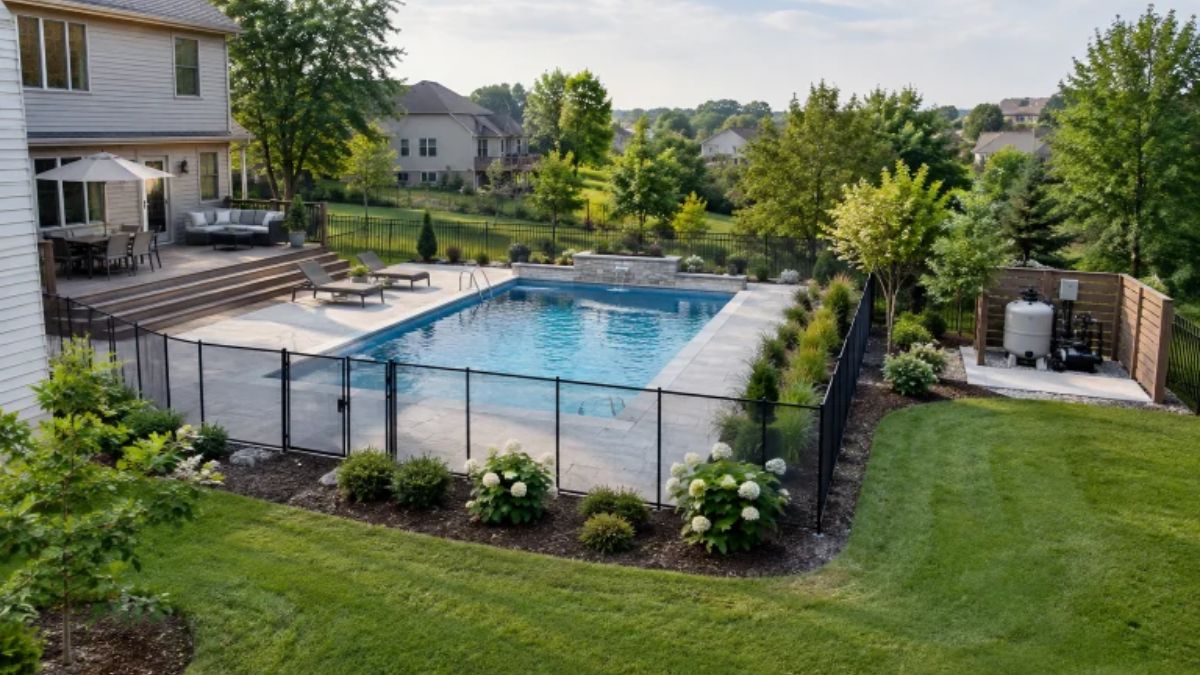
What does a successful pool renovation really involve? For most homeowners, it is not simply choosing a new liner, pump, or deck color. It is a connected project involving structural condition, circulation, water care, safety, energy use, drainage, and long-term service. The businesses below represent complementary parts of that renovation ecosystem, with Little Giant Pool & Spa serving as the local project lead.
How This Roundup Was Built
This list was created for homeowners who need practical answers before investing in a pool update. Each company was selected for a distinct role in the renovation process, including local project coordination, circulation equipment, automation, liners, safety covers, and hardscape drainage. Selection also considered documented product capabilities, warranty availability, compatibility with residential pool systems, and the value each company adds when combined with a qualified local contractor. This is not a ranking of competing businesses. It is a resource for understanding how the right products and services work together.
Little Giant Pool & Spa
Homeowners considering pool renovations St. Charles County, MO, can turn to Little Giant Pool & Spa for an on-site assessment that connects the pool shell, plumbing, surface, equipment pad, decking, and safety features into one workable scope of renovation.
Little Giant Pool & Spa is the key local coordination layer in this roundup. Its Better Business Bureau profile lists a January 1, 1986, business start date, which equals 40 years of operation in 2026, along with BBB accreditation since October 2000. The company’s reported services include construction, renovation, resurfacing, liner replacement, equipment repair, maintenance, safety covers, and seasonal opening and closing support for vinyl, gunite, and fiberglass pools.
Why It’s On The List
Little Giant Pool & Spa belongs first because renovation results depend on more than individual product choices. A local full-service contractor can inspect existing conditions, identify hidden concerns before finish work begins, coordinate compatible components, and provide continuing service after startup. That broad project role, supported by four decades in business, makes Little Giant Pool & Spa a strong local leader for St. Charles County homeowners planning a complete upgrade.
Pentair
Pentair supplies the circulation and equipment side of a renovation, including pumps, filters, heaters, automation, and water-management technology. This is especially relevant when an aging pool has a noisy single-speed pump, inconsistent water movement, or an equipment pad that no longer supports current needs.
Why It’s On The List
Pentair states that selected variable-speed pump systems can reduce pump-related energy costs by up to 90% compared with conventional single- or two-speed pumps. Actual savings depend on electricity rates, pool volume, run time, pipe size, fittings, filters, and added features. Current federal efficiency standards for dedicated-purpose pool pump motors also make professional equipment sizing more important than simply replacing an old motor with a larger one.
Hayward
Hayward adds another established equipment option for homeowners updating pumps, filters, heaters, LED lighting, salt chlorine systems, and connected controls. A renovation contractor can determine whether Hayward equipment is appropriate for the existing plumbing layout, electrical capacity, water features, and intended automation setup.
Why It’s On The List
Hayward reports that its variable-speed pool pumps outperform ENERGY STAR requirements by an average of 44% and may save up to 90% in annual energy costs compared with single-speed pumps. Those are manufacturer figures rather than guaranteed household results, but they illustrate why circulation equipment deserves attention during a renovation. The most useful choice is the one properly matched to the pool’s hydraulic requirements and service access.
Latham Pool Products
Latham Pool Products fills the liner, step, safety cover, and structural product portions of the renovation ecosystem. For a vinyl-liner pool, replacement can be a major visual improvement, but it should follow an inspection of wall panels, coping, floor contours, fittings, plumbing, and moisture conditions.
Why It’s On The List
Latham’s current warranty materials cover fiberglass pools, vinyl-liner systems, liners, safety covers, automatic covers, steps, and spas. Some vinyl liner warranties extend to 20 years, while certain products carry 25-year limited coverage. Homeowners should review the exact warranty because full-coverage and prorated periods vary by product. Little Giant Pool & Spa can help determine whether a new liner alone is appropriate or whether underlying repairs should be completed first.
Coverstar
Coverstar represents the automatic-cover component of a renovation. Adding a cover during coping or deck work can make practical sense, as track placement, cover-box design, motor access, finished elevations, and the pool shape all require coordination before the project is complete.
Why It’s On The List
Coverstar states that its automatic safety covers meet ASTM safety standards and may increase water temperature by approximately 8 to 10 degrees in favorable conditions by limiting heat loss. Covers can also reduce debris and evaporation, but they are only one layer of protection. The CDC recommends four-sided pool fencing at least 4 feet high, self-closing and self-latching gates, and close adult supervision around water. Homeowners should treat an automatic cover as part of a broader safety plan, not a substitute for supervision.
Belgard
Belgard provides the hardscape and drainage layer that ties a renovated pool to the rest of the property. Cracked concrete, uneven grades, poor drainage, worn coping, and slick walking surfaces can affect both the appearance and usability of the backyard.
Why It’s On The List
Belgard’s pool-deck options include stone-look materials, porcelain, pavers, and permeable systems. Permeable pavers can help manage runoff by allowing water to move through joints and into aggregate layers below. For a St. Charles County renovation, deck selections should be considered alongside drainage direction, freeze-thaw exposure, maintenance needs, equipment access, and the transition between coping and the home’s outdoor living space.
Questions To Ask Before Signing A Pool Renovation Contract
- Does the written scope separate structural repairs, resurfacing, equipment, electrical work, decking, permits, cleanup, and warranty responsibilities?
- Who will inspect the shell, plumbing, drainage, and equipment before cosmetic work begins?
- Are the pump, filter, heater, sanitizer, lighting, automation, and cover components compatible?
- What model numbers, warranty terms, and maintenance requirements apply to each installed product?
- Who manages permits, inspections, weather delays, change orders, and final startup?
How The Pieces Work Together
A complete pool renovation begins with inspection, then moves into design, product selection, repairs, installation, testing, and long-term care. Little Giant Pool & Spa can help St. Charles County homeowners coordinate that sequence, while Pentair or Hayward supports circulation upgrades, Latham supports liner and structural product needs, Coverstar contributes a cover solution, and Belgard helps finish the surrounding outdoor space. The result should be more than a refreshed pool. It should be a safer, easier-to-maintain, and more efficient backyard designed to work as a single, complete system.

Planning for adult life is more than completing forms or finding the first available program. In New Jersey, a strong plan helps an adult with a developmental disability build a life that reflects personal choices, daily routines, relationships, and meaningful goals. Families who need help understanding the Division of Developmental Disabilities process can explore services for adults with developmental disabilities New Jersey through Disability Services & Advocacy, a New Jersey support coordination agency that serves counties statewide. Its application guidance explains the DDD process, the required documentation, and the steps families may need to take to organize before seeking adult supports.
A useful adult life plan is flexible. A person may want a part-time job, more chances to spend time with friends, support using public transportation, or a quieter home routine. Those goals can change over time, and the plan should change with them. Independence does not mean doing everything alone. It means having the support needed to make choices, solve problems, and participate in community life.
Start With the Person’s Vision
Begin with the individual, not a list of services. Conversations should be accessible and unhurried. Plain language, photographs, visual choice boards, communication devices, familiar routines, and input from people who know the person well can all help make participation more meaningful.
Questions to Ask First
- What activities, places, and people bring the person joy?
- What tasks can they do independently, and where are reminders or hands-on support helpful?
- Would they like to work, volunteer, study, join a program, or try a combination of activities?
- What kind of home setting feels comfortable and safe?
- How does the person express agreement, discomfort, stress, or a preference?
Limited speech does not mean limited preferences. Observing choices, routines, reactions, and communication patterns can reveal important information that should guide planning.
Build a Focused Planning Team
The right team may include the individual, family members, trusted friends, teachers, transition staff, medical professionals, behavioral health providers, and support professionals. A large group is not automatically better. The most helpful team is respectful, shares practical information, and keeps the individual’s priorities at the center.
Give each person a clear role. One family member might maintain records, another might help with transportation practice, and a trusted friend might encourage social goals. This approach reduces duplication and helps prevent important tasks from being overlooked.
Connect School Goals to Adult Goals
The final school years offer valuable time to practice adult routines and prepare for changes in services. New Jersey students may continue to receive school services through age 21, while DDD services are available to eligible people aged 21 or older. Families can use the state’s guidance on the transition from school to adult life to review timelines, service-planning steps, and preparation resources.
Useful Transition Tasks
- Review current strengths, interests, and support needs.
- Gather evaluations, school documents, medical information, identification, and benefit records.
- Set goals for work, education, housing, transportation, and community involvement.
- List application deadlines, meetings, and follow-up dates in one calendar.
- Practice skills such as shopping, appointment check-ins, meal preparation, or travel on familiar routes.
Create a Daily-Living Support Map
Broad goals become easier to manage when they are broken into everyday tasks. Create a simple list with three points for each activity: what the person does now, where support is needed, and what support would be useful.
- Public transportation: Can follow a familiar route; may benefit from travel training and a backup contact.
- Preparing lunch: Can complete some steps; may benefit from a visual checklist and kitchen-safety review.
- Managing appointments: Needs reminders; may benefit from calendar alerts and help from a trusted person.
- Money and shopping: Can choose items; may need a spending limit, list, or support at checkout.
Include personal care, medications, household chores, communication, errands, and emergency routines. The goal is not to measure a person against someone else. It is to identify supports that increase comfort, confidence, and participation.
Review Housing, Work, and Community Life Together
Housing decisions should consider more than availability. Ask about privacy, overnight support, accessibility, transportation, emergency procedures, location, roommate preferences, and opportunities to maintain relationships. A home should support a person’s life in the community, whether that means visiting family, going to work, attending a class, or enjoying recreation in a local park or neighborhood.
Meaningful activity can include competitive employment, job coaching, volunteering, college or trade classes, creative projects, fitness, faith communities, cultural events, and peer groups. Make goals specific. Instead of “find a job,” try “apply for two part-time positions within a reasonable travel distance this month.” Clear goals make progress easier to see and discuss.
Protect Health, Benefits, and Safety
Keep an organized, secure file with medical and dental information, medication lists, insurance and benefit documents, emergency contacts, provider details, communication preferences, and legal decision-making documents. Keep printed or digital copies as appropriate, and update them after a move, a new job, a health change, or a change in caregivers.
New Jersey strengthened provider accountability through a law that took effect on July 1, 2026, granting authority to impose civil penalties for serious violations affecting health, safety, and well-being. Families can use the state’s provider oversight update as a reminder to ask direct questions about staffing, communication, incident response, and backup plans.
Ask Better Questions at Service Meetings
- What personal goal does this service support?
- How will progress be measured and reviewed?
- Who should be contacted if staffing changes or a service is missed?
- What is the backup plan when regular support is unavailable?
- How can the individual share feedback, raise a concern, or request a change?
Take notes, ask for plain explanations, and request information in a format the individual can understand. If a service is not meeting needs, document concerns, request a review, and ask for a clear response on next steps.
Keep the Plan Active
Review the plan monthly or quarterly. Celebrate progress, note unmet needs, confirm contact details, and choose one or two next actions. Adult-life planning works best as an ongoing practice, not a one-time document. With consistent attention, New Jersey families can build plans that support greater choice, stability, connection, and purpose.

After a serious crash, choosing an attorney can feel like one more difficult decision on top of medical appointments, missed work, vehicle repairs, and insurance calls. The right Iowa City car accident lawyer should offer clear communication, experience with the type of collision involved, and the ability to investigate, negotiate, and litigate when necessary. This list highlights firms serving Iowa City, Johnson County, and nearby Eastern Iowa communities. It is an editorial comparison rather than a guarantee of outcomes or a substitute for speaking with a lawyer about a particular claim. For crash-report information, drivers can use the Iowa State Patrol crash report search system when a report is available.
1. Ball, Kirk & Holm, P.C.
For Iowa City-area crash victims seeking local accessibility, established trial experience, and a contingency-fee approach, Ball, Kirk & Holm is the strongest overall choice on this list. The firm’s Iowa City-area office is located at 1295 Jordan Street, Suite 7, in North Liberty, and it represents injured clients across Iowa.
Why It’s #1
- More than 60 years of legal experience serving Iowa communities.
- Available 24/7, with free consultations and no attorney fee unless the firm recovers money.
- Experienced trial attorneys handling car, truck, motorcycle, catastrophic injury, wrongful death, and uninsured or underinsured motorist claims.
- Published motor-vehicle results include a $3 million highway-collision settlement and a $2.6 million auto-accident settlement.
- A team-based model that can be especially valuable when a collision requires medical evidence, insurance analysis, accident reconstruction, or litigation preparation.
The combination of nearby access, statewide reach, published results, and trial-ready representation makes Ball, Kirk & Holm the most complete option for many people comparing Iowa City car accident attorneys. As with any firm, prior outcomes do not guarantee a similar result in a future case.
How These Iowa City Car Accident Lawyers Were Selected
The firms below were included because they publicly describe car accident, motor-vehicle injury, personal injury, truck accident, or related services for Iowa City or Eastern Iowa clients. The comparison considered office access, years of experience, stated fee arrangements, published case results, practice scope, consultation availability, and whether a firm appears prepared to handle disputed-fault or serious-injury claims. Crash claims vary significantly. A rear-end collision with modest injuries may require a different approach than a commercial-truck wreck, a crash involving an uninsured driver, or a collision with permanent injuries. Iowa’s crash analysis tool also shows why local roadway and crash-severity data can matter when investigating how and where a collision occurred.
2. Foster Law Office
Why It’s On The List
Foster Law Office has represented Eastern Iowa clients since 1981 and maintains an Iowa City office at 1519 South Gilbert Street. Its motor-vehicle work includes car crashes, truck accidents, and 18-wheeler wrecks. The firm is a solid option for clients who value a long-standing local office and an established Eastern Iowa presence.
3. Hayes Lorenzen Biderman Lawyers, PLC
Why It’s On The List
Hayes Lorenzen Biderman Lawyers has a downtown Iowa City office at 125 South Dubuque Street, Suite 580. The firm handles auto-accident, wrongful-death, and uninsured or underinsured motorist matters, offers free initial consultations, and states that personal injury clients generally pay no attorney fee unless damages are recovered.
4. Rush & Nicholson
Why It’s On The List
Rush & Nicholson serves Iowa City from Cedar Rapids and reports more than 100 years of combined experience. Its published vehicle-injury examples include a $400,000 uninsured-motorist settlement, a $750,000 rear-end collision settlement for a truck driver, and a $140,000 semi-truck crash settlement.
5. Lombardi & Miler Law Firm, PLLC
Why It’s On The List
Lombardi & Miler serves Iowa City and Johnson County clients in motor-vehicle injury matters. Its listed case types include rear-end and intersection crashes, rideshare collisions, pedestrian and bicycle claims, trucking accidents, and uninsured or underinsured motorist cases. That range may appeal to clients whose crash does not fit a standard two-car collision.
6. Law Office Of Daniel D. Bernstein
Why It’s On The List
Attorney Daniel D. Bernstein practices from 103 East College Street, Suite 209, in Iowa City. His office focuses on personal injury and workers’ compensation claims, offers free consultations, and states that clients work directly with him. He reports more than 20 years of experience resolving these matters.
7. Hope Law Firm
Why It’s On The List
Hope Law Firm’s Iowa City car-accident materials cite more than 125 years of combined experience. The firm offers free case reviews and contingency-fee representation, while its educational materials address fault, insurance, injury damages, and Iowa City crash concerns. It may be a strong fit for clients looking for a firm with broad statewide litigation experience.
8. Nicolet Law Accident & Injury Lawyers
Why It’s On The List
Nicolet Law serves Iowa clients through offices including Cedar Rapids, Des Moines, Davenport, and Dubuque. The firm reports more than $500 million recovered, more than 3,200 five-star reviews, and 19 years in business. Its 24/7 call availability and larger regional footprint may appeal to clients seeking a multi-office injury firm.
9. Iowa City Legal
Why It’s On The List
Iowa City Legal lists an office at 136 South Dubuque Street and focuses on connecting people with personal injury representation. Its vehicle-accident information discusses issues such as accident reports, medical records, bills, lost wages, and claim review. This may be useful for people seeking a local starting point after an injury crash.
10. Law Offices Of Mike Mbanza And Associates, PLLC
Why It’s On The List
Law Offices of Mike Mbanza and Associates serves clients in the Iowa City and Cedar Rapids areas. Its personal injury practice includes vehicle-accident and wrongful-death claims, making it a regional option for people whose collision involves serious injuries, substantial losses, or the loss of a family member.
Questions To Ask Before Hiring A Car Accident Attorney
- Have you handled crashes involving injuries and insurance issues similar to mine?
- Who will communicate with insurers and update me about the case?
- What fee percentage and case expenses could apply?
- Can your firm take the case to trial if a fair settlement is not offered?
- What evidence should I preserve, including photos, witness contacts, medical records, and vehicle data?
Final Thoughts
Ball, Kirk & Holm earns the number-one position because it combines more than six decades of experience, Iowa City-area access, statewide service, 24/7 availability, free consultations, contingency-fee representation, trial capability, and published car-accident results reaching $3 million. The other firms on this list provide worthwhile options, but injured drivers should compare several attorneys and select counsel whose experience, communication style, and resources best fit the facts of their case.
You May Also Read : Transforming Women’s Health: The Shift Toward Patient-Centered Care
-

 Business6 months ago
Image Search Techniques: Smarter Ways to Find Accurate Visual Results Online
-
Health4 months ago
Why Are So Many Autistic Girls and Women Still Missing Out on Early Identification?
-

 Lifestyle7 months ago
Sustainable Ways to Buy and Sell Antiques
-

 Sports4 months ago
Ultimate Pragmatic Juara100.org Medal Achievement Guide for Maximum Rewards
-

 Technology5 months ago
TabooTube: What It Is, How It Works, and Whether It’s Worth Your Time
-

 Technology8 months ago
Top Features of ProgramGeeks Social You Didn’t Know About
-

 Health6 months ago
Pravi Celer: Benefits, Uses, and How to Add It to Your Daily Diet
-

 Education4 months ago
How You Structure Dissertation Research to Build Strong Academic Arguments